1 / 5
 Breeze Medical
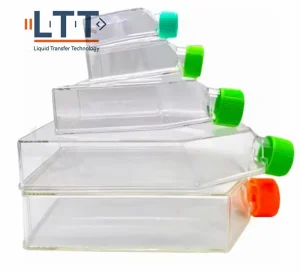
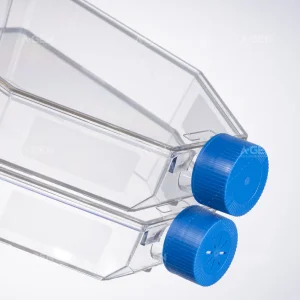
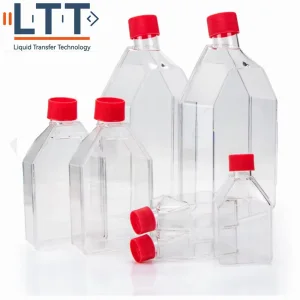
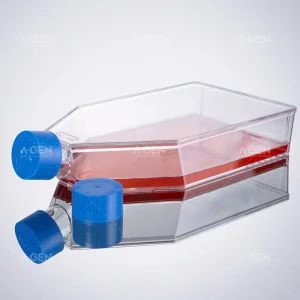
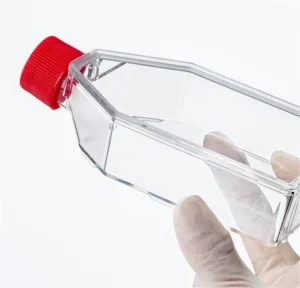
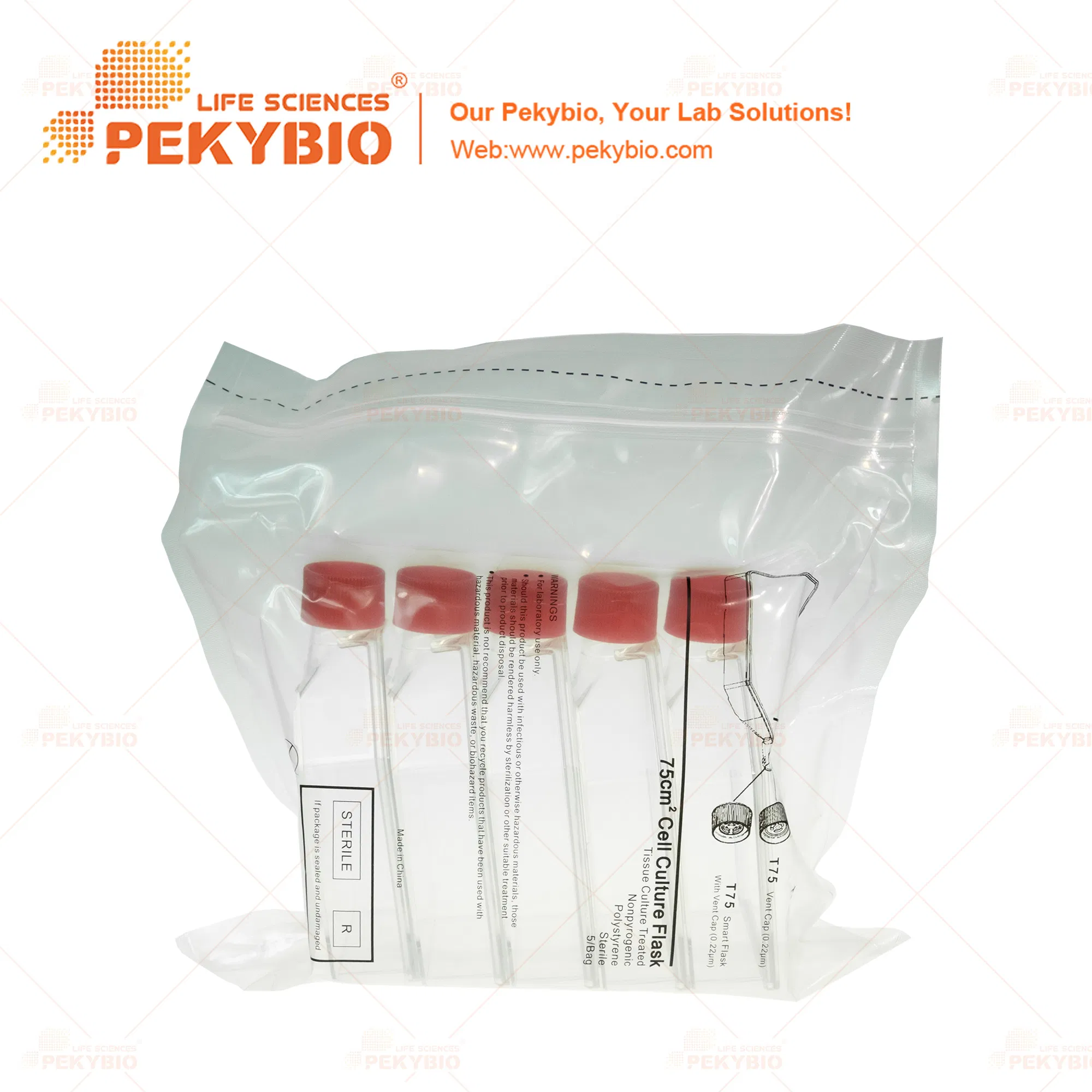
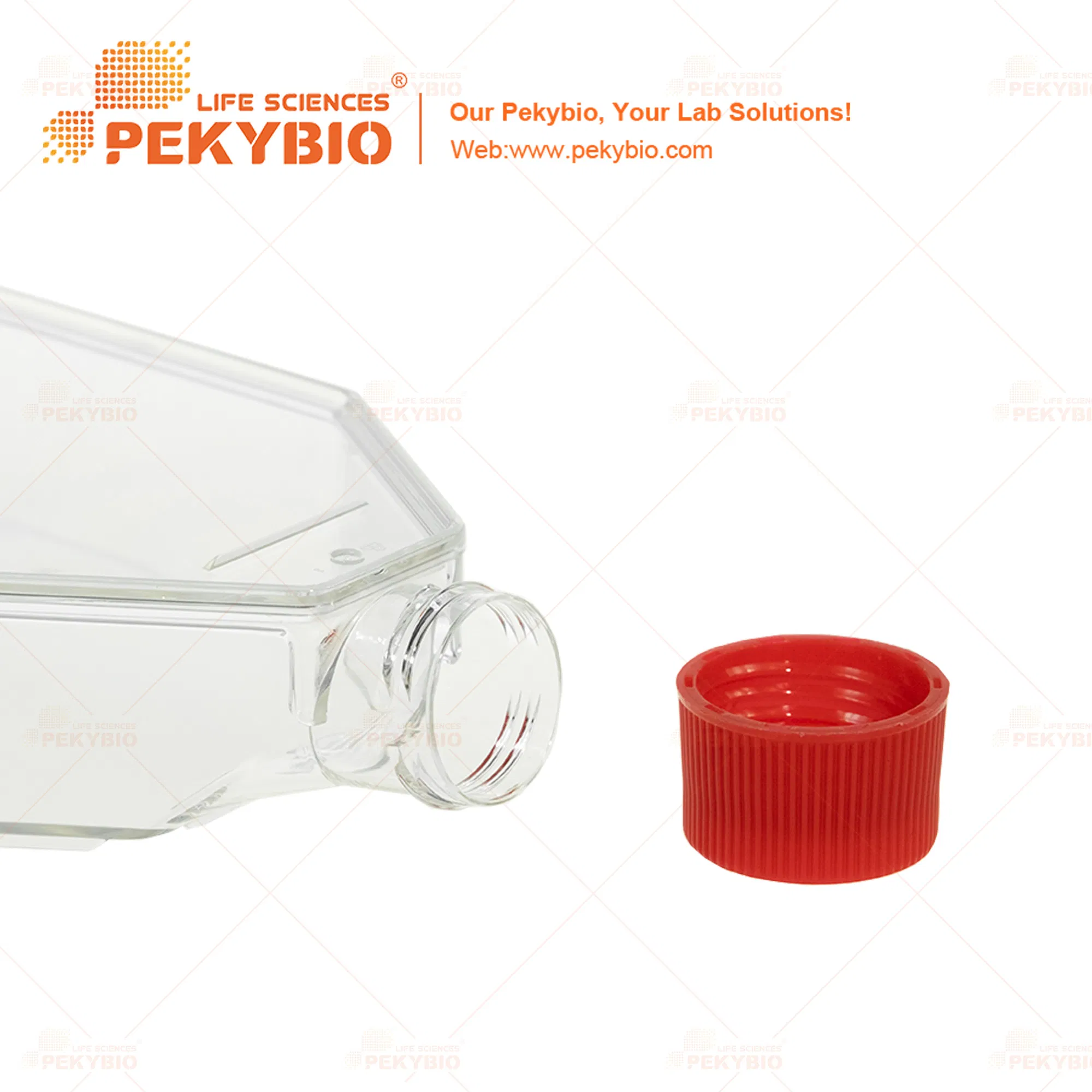
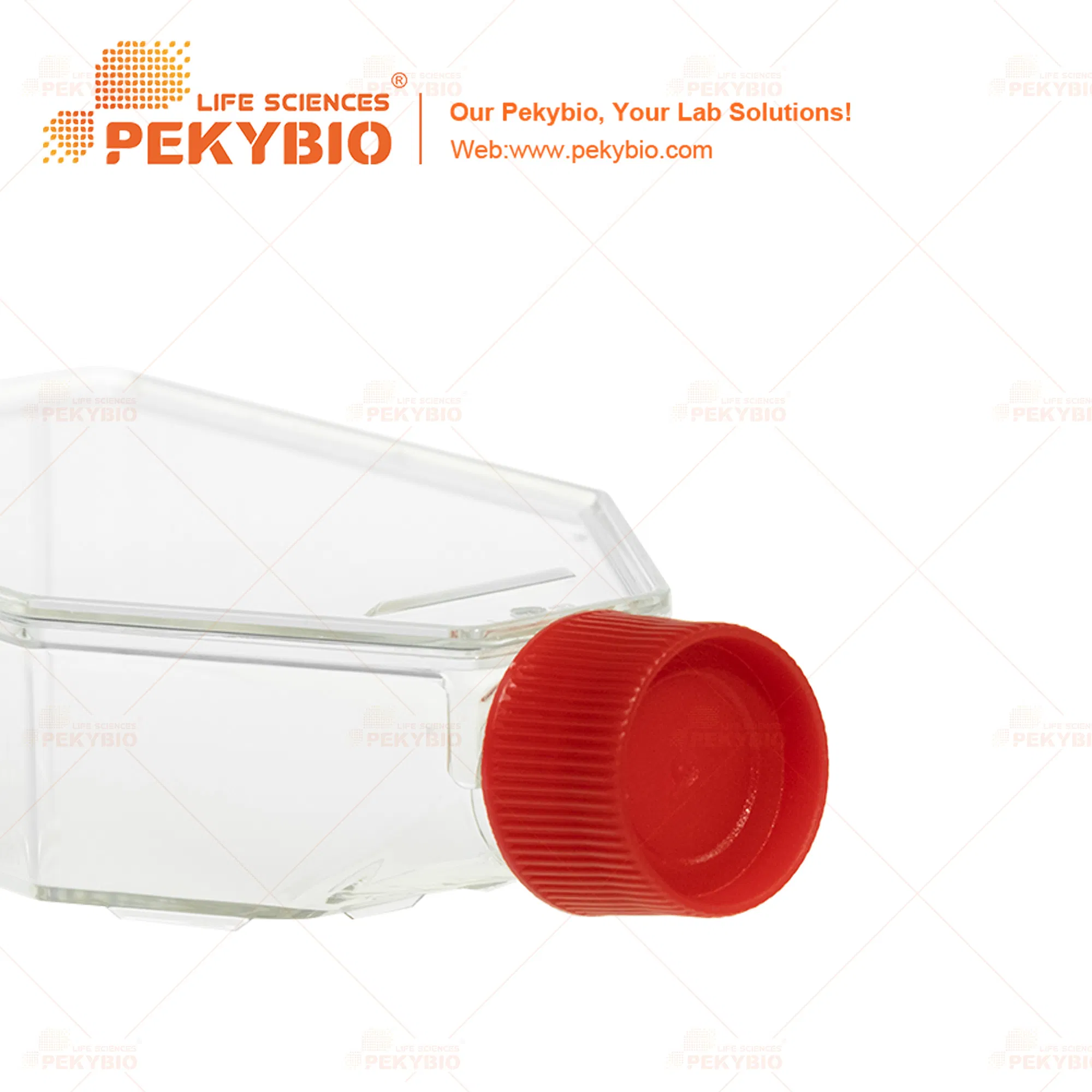
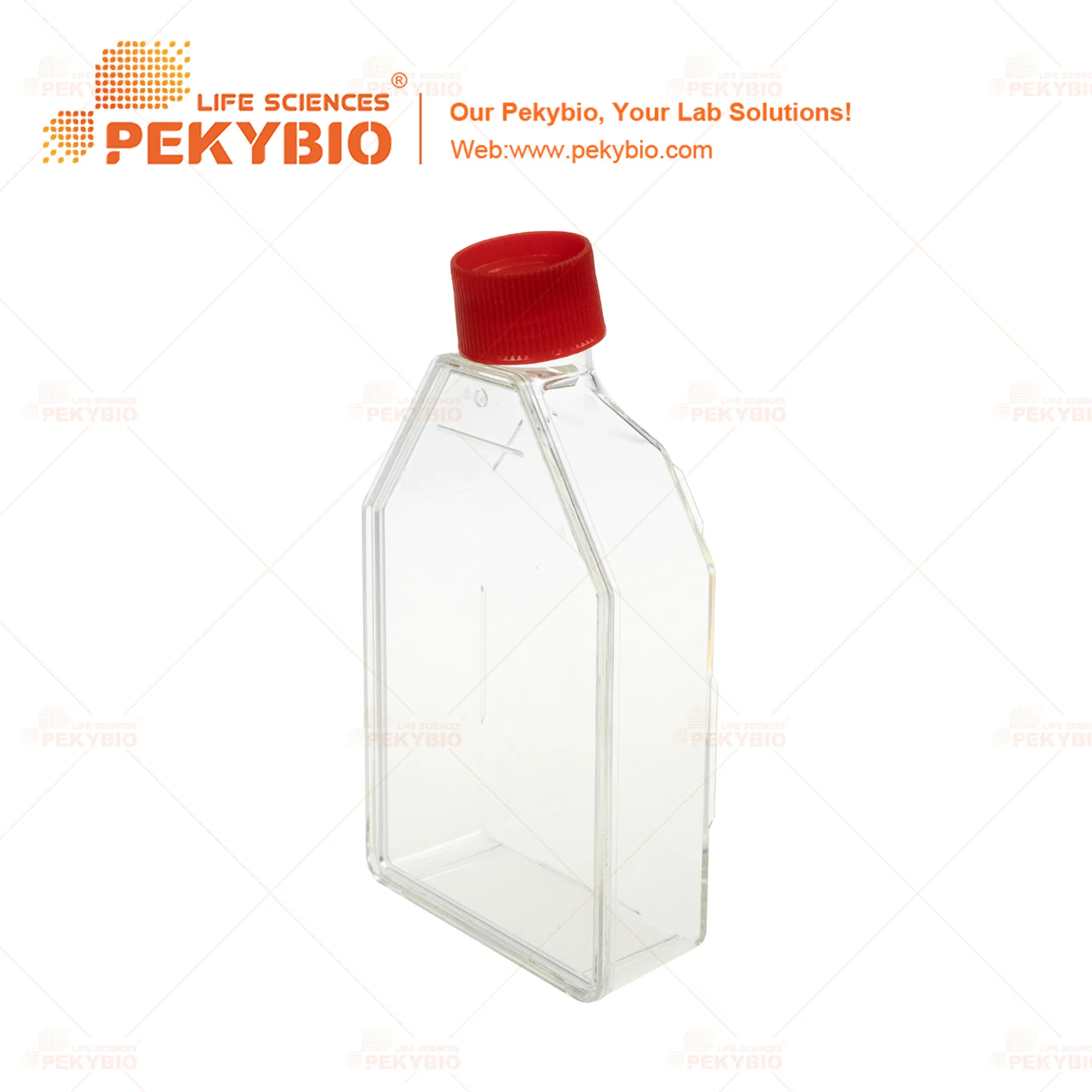
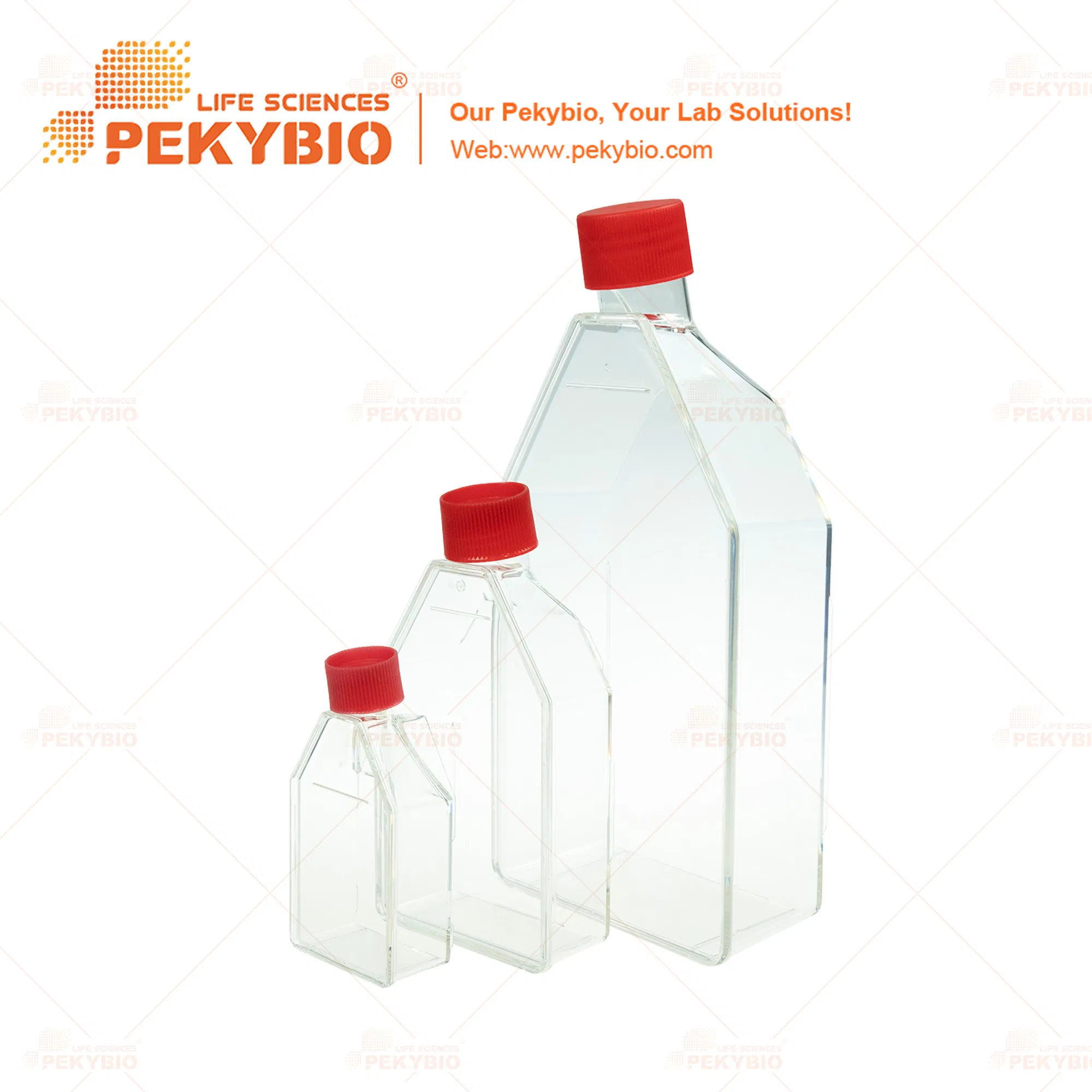
Our cell culture flasks are designed to support optimal cell attachment, growth, and proliferation under controlled conditions. Manufactured from high-clarity, medical-grade polystyrene (PS), these flasks are available with either vent caps for gas exchange or seal caps for closed culture environments, providing flexibility for diverse research needs.
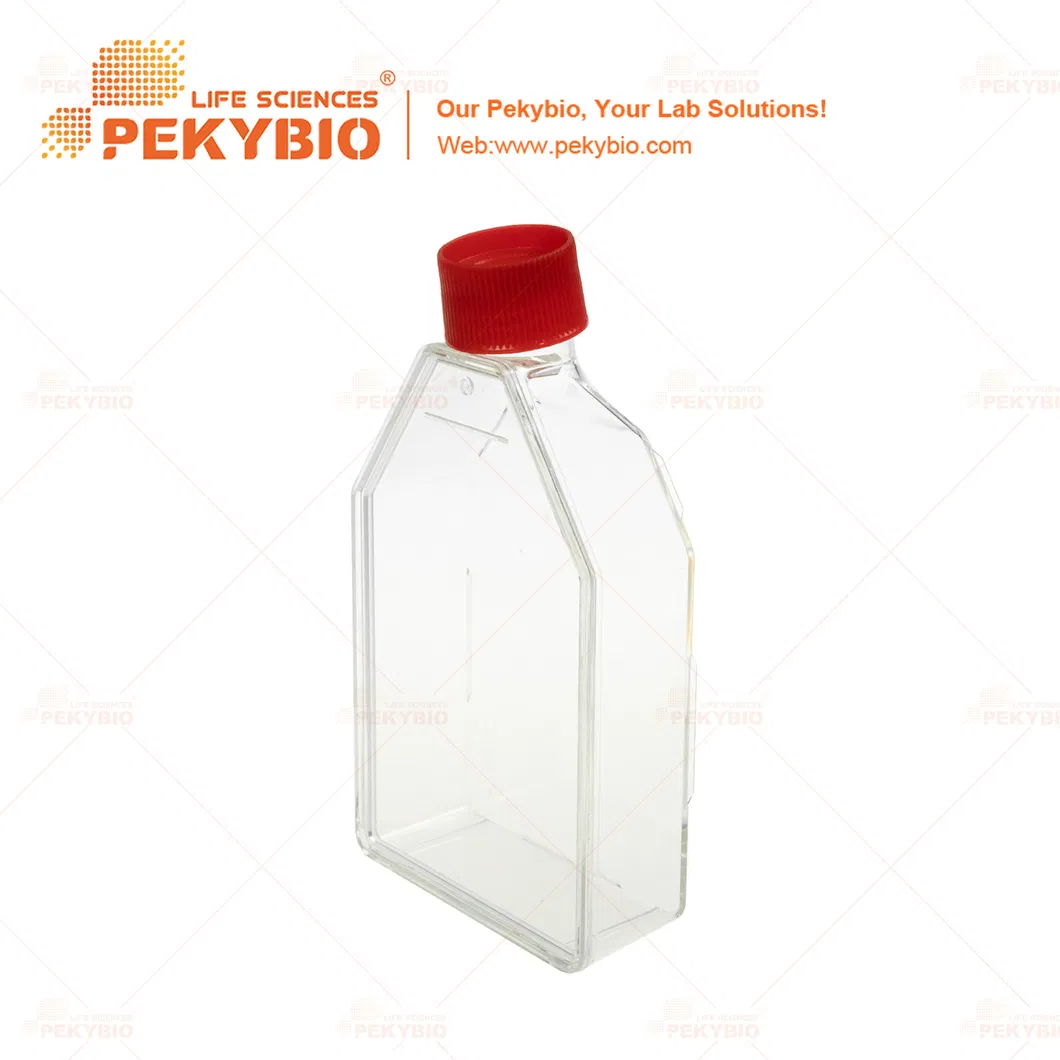
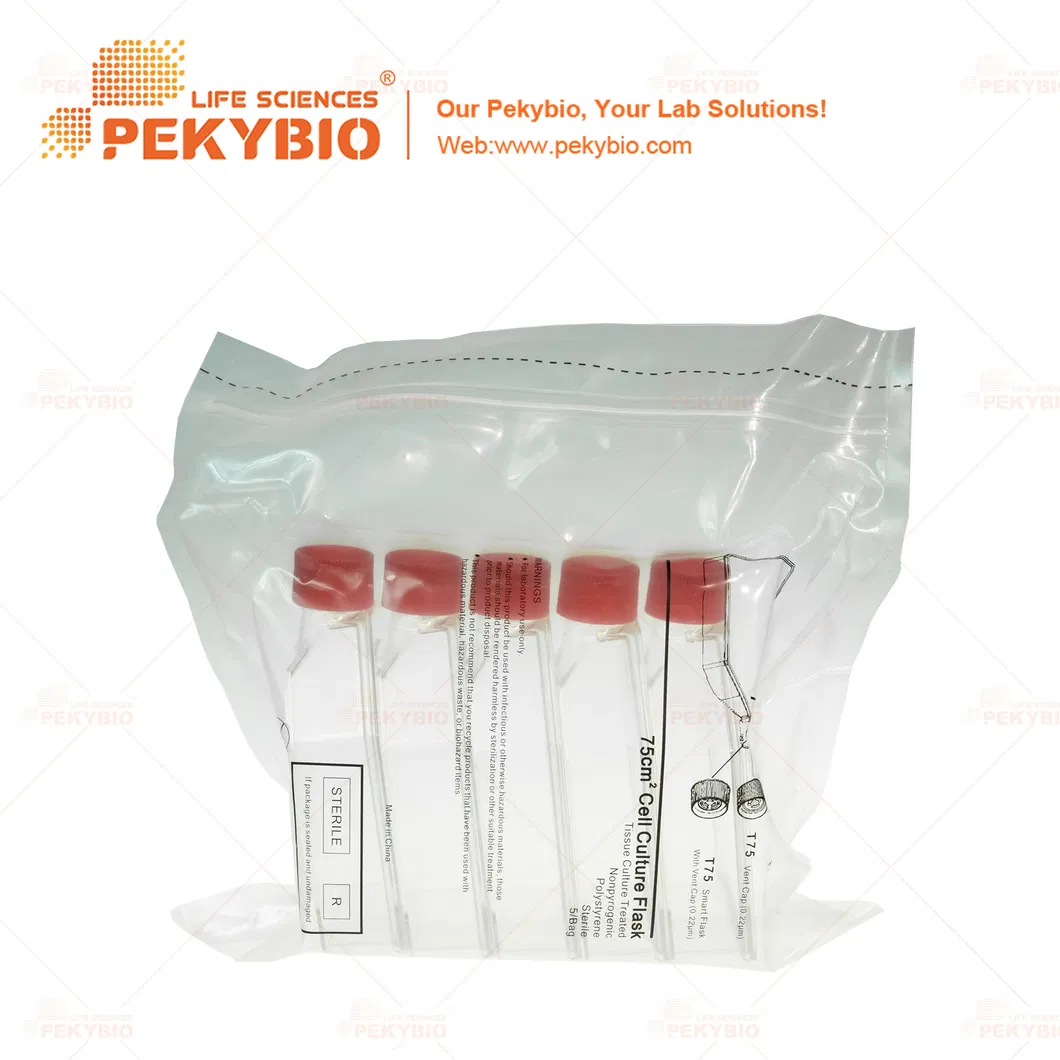
| Cat.NO. | Description | Capacity | Cap Type | Material | Packaging |
|---|---|---|---|---|---|
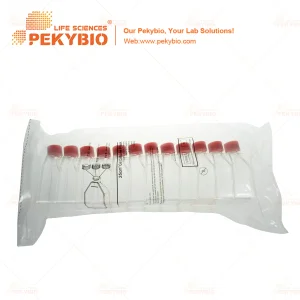
| PK00260 | 25cm² TC Treated, Sterile | 50mL | Seal Cap | PS | 12pcs/bag, 25bags/ctn |
| PK00261 | 75cm² TC Treated, Sterile | 250mL | Seal Cap | PS | 5pcs/bag, 18bags/ctn |
| PK00262 | 175cm² TC Treated, Sterile | 600mL | Seal Cap | PS | 5pcs/bag, 10bags/ctn |
| PK00263 | 25cm² TC Treated, Sterile | 50mL | Vent Cap | PS | 12pcs/bag, 25bags/ctn |
| PK00264 | 75cm² TC Treated, Sterile | 250mL | Vent Cap | PS | 5pcs/bag, 18bags/ctn |
| PK00265 | 175cm² TC Treated, Sterile | 600mL | Vent Cap | PS | 5pcs/bag, 10bags/ctn |
| PK00433 | 25cm² Non-Treated, Sterile | 50mL | Vent Cap | PS | 12pcs/bag, 25bags/ctn |
| PK00434 | 75cm² Non-Treated, Sterile | 250mL | Vent Cap | PS | 5pcs/bag, 18bags/ctn |
| PK00435 | 175cm² Non-Treated, Sterile | 600mL | Vent Cap | PS | 5pcs/bag, 10bags/ctn |
* For other membrane types, please contact us for more information.

Sterile syringe filters are designed for medical and laboratory applications requiring high purity, featuring small pore sizes to filter out bacteria and viruses. Non-sterile filters are generally used for particulate filtration in general applications with a higher flow rate.
PTFE filters are ideal for aggressive chemicals, solvents, and acids. They offer superior chemical compatibility and filtration efficiency, though they are often more expensive.
PVDF filters are excellent for removing organic contaminants and bacteria from aqueous solutions. They are particularly useful for solutions with high viscosity and are approved for sterile filtration standards.
Nylon filters are a popular, cost-effective choice for general laboratory use. They are compatible with many acids, bases, and organic solvents while providing reliable particle removal.
PES filters provide high filtration reliability and are compatible with various sterilization techniques like autoclaving and gamma irradiation, making them preferred for critical sterile applications.
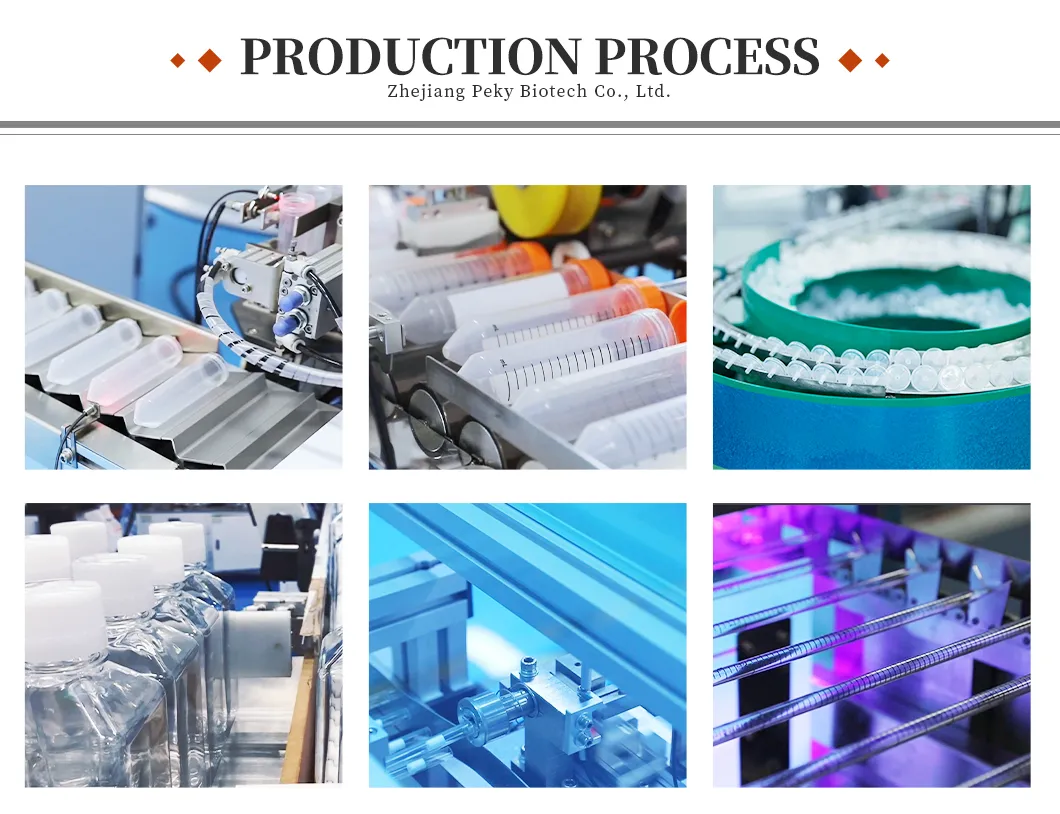
Yes, our cell culture flasks are manufactured in a 100,000-grade cleanroom and are certified DNase/RNase free and non-pyrogenic to ensure the safety of your laboratory experiments.