Breeze Medical
Breeze Medical
Breeze Medical
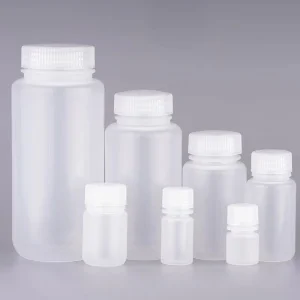
Engineered for absolute chemical stability, leakage prevention, and compliance with severe medical logistics routes in CAR.
The Central African Republic (CAR), with its capital Bangui, is undergoing significant infrastructure upgrades in public health, infectious disease monitoring, and clinical research. Key regional hubs like the Institut Pasteur de Bangui, the Hôpital Communautaire, and NGO-supported testing networks require a continuous supply of reliable, contamination-free medical diagnostics and laboratory consumables.
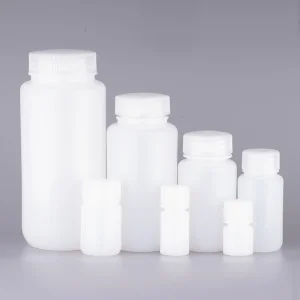
Because domestic manufacturing of high-grade plastics and specialized laboratory glassware is virtually non-existent in CAR, local laboratories, clinics, and medical distributors rely entirely on importing certified international products. Essential testing kits for endemic diseases, environmental water testing, and agricultural assays depend on high-quality HDPE and polypropylene (PP) reagent bottles to ensure accurate measurements and long-term chemical preservation.
The tropical climate and transport logistics through regional corridors (such as shipping via Douala Port in Cameroon followed by long-distance overland freight to Bangui) put high stress on plastic structures. Inadequate packaging can result in leakage of precious reagents, rendering diagnostic kits useless. This has created a critical demand for certified, heavy-duty leak-proof bottles designed specifically for global logistics.

Ningbo Breeze Medical guarantees compliance, chemical inertness, and structural resilience for long-distance transport.
Leveraging advanced automation and ISO certification to deliver cost-effective, high-grade lab consumables directly to Central Africa.
Founded in 2011, Ningbo Breeze Medical Co., Ltd. has established itself as an elite player in medical device manufacturing. Specialized in disposable medical consumables and laboratory instruments, the company integrates design, mold manufacturing, automated injection molding, and product quality testing into a single continuous supply chain. Our state-of-the-art infrastructure features advanced cleanrooms, automatic injection molding workshops, and dedicated support assembly lines adhering to rigorous GMP standards.
Utilizing premium high-density polyethylene (HDPE), polypropylene (PP), and high-grade Borosilicate 3.3 glass to guarantee superior chemical resistance and temperature tolerance.
From custom caps (GL45, GL80) and volume scales to custom shapes and specific light-blocking amber glass options tailored for IVD analyzer equipment.
Vast experience navigating complex African trade ports, with optimized packaging structures designed to handle moisture, temperature variations, and rough transit.
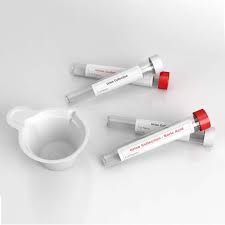
In addition to manufacturing premium reagent bottles, Ningbo Breeze Medical stands out as a macro-solutions provider by engineering professional machinery that streamlines downstream filling and packaging processes. Our machinery capabilities include:
This diverse expertise ensures we understand the chemical and mechanical interfaces of modern diagnostics, providing seamless support for global procurement agencies.
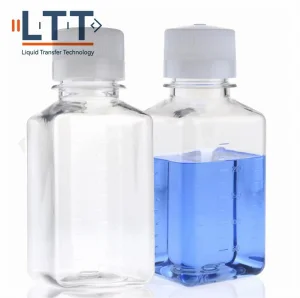
Explore our full catalog of laboratory and analyzer-compatible glassware and plasticware. Guaranteed leak-proof and sterile.

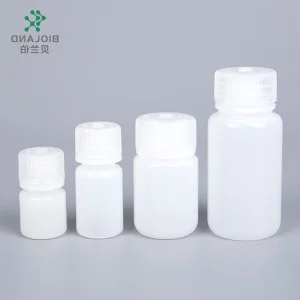

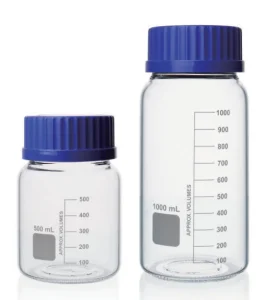


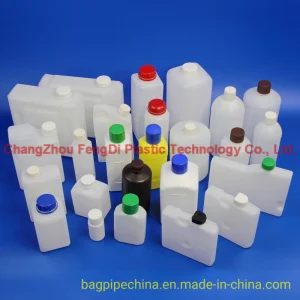
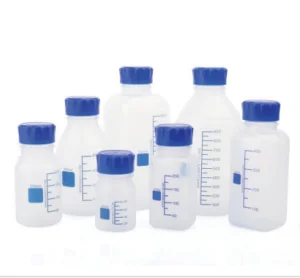

Managing B2B sourcing challenges from cleanroom production to inland African transport.
Purchasing plasticware or laboratory glassware for bulk applications in Central Africa demands meticulous logistical coordination. Products shipped from our Ningbo port factories typically follow the maritime freight route to Douala Port (Cameroon) or Pointe-Noire (Congo), followed by road transport along the main trade corridors to Bangui. Due to these lengthy transit phases, our packaging designs are subjected to strict stress tests:
Our sales and export operations provide all essential documentation, including ISO 13485 certifications, CE declarations of conformity, cleanroom batch records, and Certificates of Analysis (COA) to facilitate streamlined customs clearance in Bangui.
The shift toward high-performance polymers and strict diagnostic standards.
While Borosilicate 3.3 glass remains vital for high-temperature autoclaving, clinics are transitioning to medical-grade HDPE and Polypropylene to eliminate risk of breakage, reduce weight, and lower shipping costs.
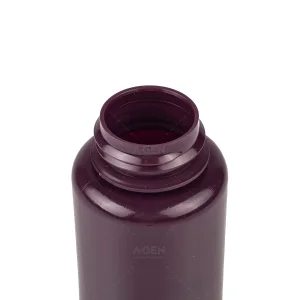
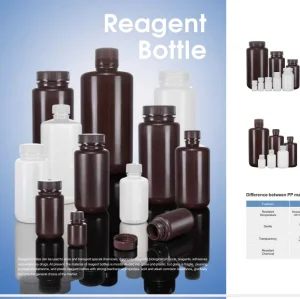
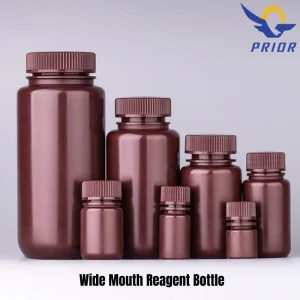
Enzymes, antibodies, and control reagents degrade under UV light. Demand is increasing for dark amber and opaque black diagnostic containers that block wavelengths below 500nm.
Modern clinical setups require containment systems ready for direct injection molding filling. Pre-sterilized (gamma-irradiated or ETO-sterilized) bottles minimize contaminants and pre-processing times.
Answers to essential concerns regarding bulk importing, quality assurance, and laboratory compliance.