Breeze Medical
Breeze Medical
Breeze Medical
Australia has emerged as a global powerhouse in the life sciences sector, with major hubs in Melbourne (Parkville Precinct), Sydney (Camperdown-Darlington), and Brisbane. The demand for high-quality Cell Culture Flasks has surged as the nation invests heavily in regenerative medicine, vaccine development, and oncology research.
As leading suppliers, we understand that Australian laboratories require consumables that meet rigorous international standards (ISO and CE) while being compatible with local research infrastructure provided by organizations like the CSIRO and leading universities. Whether it is suspension cell culture or adherent cell lines, our PETG and PC flasks provide the transparency and sterility required for groundbreaking discoveries.
USP Class VI Materials
Sterility Assurance Level
DNase/RNase Free
Standard Production
The Australian biotechnology industry is one of the most vibrant in the Southern Hemisphere. With the support of government initiatives like MTPConnect and the R&D Tax Incentive, local startups and established biopharma giants are pushing the boundaries of what is possible. Cell culture flasks are the fundamental "bricks" of this industry. From cultivating CHO cells for protein production to developing mRNA vaccines (as seen with CSL and Seqirus), the reliability of the culture vessel is non-negotiable.
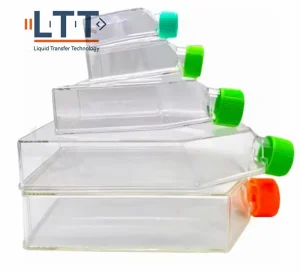
In cities like Adelaide and Perth, the focus has shifted toward Stem Cell Therapy and Tissue Engineering. These applications require flasks with specific surface treatments—such as TC-treated (Tissue Culture Treated) surfaces—to ensure optimal cell attachment and growth rates. Our factory supplies Australia with specialized T75, T175, and T225 flasks that facilitate these sensitive processes.
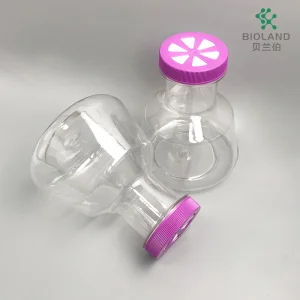
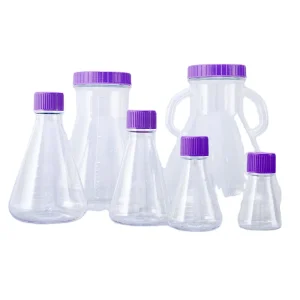
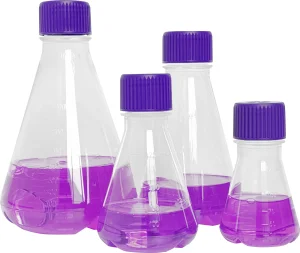
A significant trend in the Australian market is the transition from glass to Single-Use Plastics (SUP). Researchers at institutions like the Peter MacCallum Cancer Centre are increasingly adopting disposable PETG and PC Erlenmeyer flasks to minimize cross-contamination risks and eliminate the time-consuming cleaning and sterilization protocols associated with glassware. This shift not only improves laboratory throughput but also aligns with modern bioprocessing standards where speed and safety are paramount.
Furthermore, there is a growing emphasis on Automation-Ready Labware. As Australian labs integrate more robotic liquid handling systems, the physical dimensions and grip surfaces of cell culture flasks must be standardized. Our products are designed with these mechanical interfaces in mind, ensuring seamless integration into automated workflows.
Choosing the right material is critical for Australian researchers. PETG (Polyethylene Terephthalate Glycol) is favored for its excellent gas barrier properties and exceptional clarity, making it ideal for pH-sensitive cultures. On the other hand, PC (Polycarbonate) offers superior mechanical strength and can withstand higher temperatures. Our factory provides both options to cater to diverse experimental needs, ensuring that whether you are in a humid tropical lab in Darwin or a climate-controlled facility in Hobart, your cells remain protected.