Breeze Medical
Breeze Medical
Breeze Medical




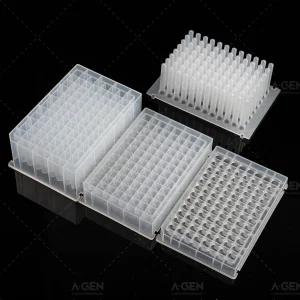

In high-precision laboratory settings, the measurement of liquid volume is critical. High-precision titration operations require extremely tight tolerances, making selection of the correct volumetric equipment crucial. Burettes serve as a cornerstone in volumetric analysis. Whether for standard acid-base titrations, redox analytical tests, or micro-fluidic control in industrial settings, chemical compatibility and calibration accuracy remain paramount.
Selecting a manufacturer for these instruments is not merely a question of unit cost. Quality managers and laboratory directors evaluate factory offerings based on physical material composition (e.g., Borosilicate glass 3.3 vs. fluoropolymer derivatives), stopcock mechanical configurations (PTFE vs. high-density glass), calibration certifications (Class A ISO 385 vs. ASTM Class B), and production-line consistency. This whitepaper analyzes global procurement networks, technological innovations, and the industry solutions offered by leading manufacturers.
Sourcing departments in chemical, pharmaceutical, educational, and medical research fields face complex demands. The shift toward automated liquid handling has changed the market, but manual burettes remain vital in developing economies and specialized quality control labs due to their dependability.
Globally, manufacturing centers are clustered in regions that offer high glassblowing precision and advanced plastic injection capabilities. When sourcing burettes in bulk, procurement professionals look for key qualifications:
| Burette Parameter / Grade | Class A (ISO 385 Compliant) | Class B (Standard Lab Grade) | Polymer/Plastic Alternatives |
|---|---|---|---|
| Volumetric Tolerance | Extreme precision (e.g., ±0.05 ml for a 50 ml tube) | Standard accuracy (e.g., ±0.10 ml for 50 ml) | Moderate variance (±0.10 to ±0.15 ml) |
| Subdivision Scale Marks | Acid-resistant, permanent ceramic blue/amber enamel | Screen-printed markings with basic wear resistance | Molded-in, relief-raised scales (highly durable) |
| Stopcock Material | Self-lubricating PTFE / High-precision ground glass | PTFE / Simplified plastic key valves | Integrated PTFE needle valves or glass cores |
| Typical Target Industry | Certified pharmaceuticals, clinical assays, metrology | Educational institution laboratories, pilot plants | Field analysis, high-hazard chemical applications |
As a key player in the production of laboratory instruments and clinical supplies, Ningbo Breeze Medical Co., Ltd. represents the combination of manufacturing capacity and international regulatory compliance. Founded in 2011, the company has built a strong reputation in the medical device and laboratory industries, specializing in high-performance disposable medical consumables and laboratory instruments.
To support precision healthcare and laboratory needs, Ningbo Breeze Medical has invested in advanced infrastructure. Their facilities include a cleanroom, an automatic injection molding workshop, and a support production line that meets strict GMP (Good Manufacturing Practice) standards.
To ensure accuracy and performance across their product line, they operate a dedicated Product Quality Testing Center, which performs strict validation protocols.

Quality management remains the central philosophy of the organization. Since its founding, Ningbo Breeze Medical has committed to standardizing production processes and verifying product performance. They maintain international quality assurance certifications, including ISO 9001:2008, ISO 13485:2003, CE, and Free Sales Certificate. These standards verify their capacity to meet international regulatory requirements.
Breeze Medical supports laboratory and medical ecosystems with a range of specialized machinery and consumables, including:
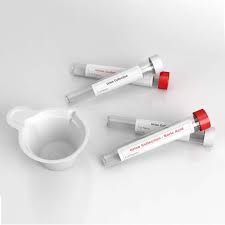
Ningbo Breeze Medical Co., Ltd. has expanded its presence in both domestic and international markets, building customer trust across several regions.
By investing in scientific research, the company continues to design and manufacture new laboratory equipment. They support their clients with a dedicated technical support engineering team, ensuring timely assistance for customers worldwide.
The lab instrument market is changing rapidly. While classic glass burettes remain the standard for precise manual analysis, modern laboratories are adopting systems that improve reliability and safety:
Digital burettes mount directly to reagent bottles, using piston-driven mechanisms to reduce meniscus reading errors and deliver precision down to the microliter.
Advanced plastics like polymethylpentene (PMP) and ETFE provide chemical resistance similar to glass while being break-resistant, reducing replacement costs in educational settings.
Modern factories print unique QR codes on their glassware, letting laboratories instantly pull up digital calibration certs for easier audits.
When analyzing a supplier's capabilities, procurement directors look at concrete indicators. Evaluated below are the structural indicators used to rate export factories: