Breeze Medical
Breeze Medical
Breeze Medical
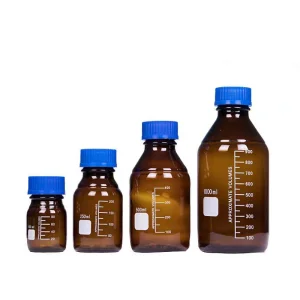
Explore our high-performance laboratory consumables designed to withstand sterilization protocols and deliver sterile fluid transfers.
Understanding the technical rigor, compliance parameters, and systemic demands of clinical and industrial sterilization.
Information Gain Insight: Modern steam sterilization is no longer just about generating heat and pressure. It is a highly regulated, digitally documented science. Global regulations (such as ASME Section VIII, EN 285, HTM 2010, and FDA 510(k)) dictate the performance criteria for autoclaves. When scouting factories, procurement directors must evaluate thermal validation stability, vacuum performance (fractionated pre-vacuum capability), water conservation systems, and integration capabilities with Sterile Processing Department (SPD) workflows.
Autoclave manufacturers must operate under ISO 13485 (Medical Devices Quality Management Systems). The presence of pressure vessel design certifications (like PED 2014/68/EU or ASME Section VIII) separates top-tier industrial fabricators from lower-grade assembly plants.
From Class B fractionated vacuum table autoclaves for dental practices to massive double-door pass-through steam sterilizers for BSL-3/BSL-4 containment facilities, matching the sterilization profile to your workflow is crucial.
Modern equipment centers around lowering water footprint and energy expenditure. Closed-loop cooling water circulation and smart vacuum pumps reduce utilities usage by up to 75% compared to legacy designs.
A comparative analysis of the global leaders driving innovation in sterilization systems and lab equipment integration.
| Manufacturer | Headquarters | Core Focus Areas | Primary Certifications | Key Strengths |
|---|---|---|---|---|
| Getinge | Sweden | Clinical & Life Science Systems | ISO 13485, CE, ASME, FDA | Advanced Hospital CSSD workflow integrations, global technical service infrastructure. |
| Steris | USA | Healthcare & Pharmaceutical Sterile Processing | ISO 13485, FDA 510(k), ASME | VHP integration, heavy duty industrial GMP steam sterilizers, excellent validation support. |
| Tuttnauer | Israel | Laboratory & Medical Desktop/Vertical Autoclaves | ISO 13485, CE, ASME | Extensive product portfolio ranging from small tabletop autoclaves to large bulk chambers. |
| Belimed | Switzerland | Infection Control & Steam Sterilizers | EN 285, CE, ISO 13485 | Eco-friendliness, low consumption technology, automated loading/unloading systems. |
| Astell Scientific | UK | Chamber Autoclaves & Effluent Decontamination | ISO 9001, PED, CE | Highly customizable custom chamber sizes, color touch-screen controllers, BSL-3 options. |
| Priorclave | UK | Research & Lab Autoclaves | ISO 9001, ASME, PED | Biocote antimicrobial coatings, durable front and top-loading configurations. |
| Sakura Seiki | Japan | High-Performance Medical Sterilizers | JIS, ISO 13485, CE | Exceptional mechanical manufacturing tolerance, high longevity, widely used in APAC clinical centers. |
| LTE Scientific | UK | Environmental Chambers & Autoclaves | ISO 9001, CE | Strong niche in thermal validation tools, medium-capacity scientific autoclave systems. |
| Yamato Scientific | Japan / USA | Scientific Research & Drying/Sterilizing Ovens | ISO 9001, ISO 14001 | Excellent vertical lab sterilizers, laboratory glassware washers, micro-processor control. |
| Ningbo Breeze Medical | China | Laboratory Instruments & Medical Consumables | ISO 13485, CE, ISO 9001 | Advanced integration of laboratory instruments, automatic injection molding, GMP cleanroom production. |
EEAT Sourcing Strategy: Working with these manufacturers requires assessing your facility's utility availability (clean steam, cooling water loops, 3-phase electrical power) against the manufacturer's technical datasheets. The best autoclave is only as good as the laboratory consumables (pipettes, centrifuge tubes, reagent flasks) you load into it. Compromising on consumable grade results in polymer melting, chamber contamination, and false sterilization validation cycles.
Understanding supply chain synergy, high-precision automation, and GMP compliance execution.
Industrial clusters in Zhejiang and Jiangsu provinces integrate raw plastic extrusion, premium-grade stainless steel fabrication, and advanced PCB manufacturing in a single regional loop. This compresses production lead times by up to 40% compared to Western competitors.
Leveraging multi-cavity hot runner injection molds and robotic demolding lines allows Chinese plants to maintain exceptional dimensional tolerances (±0.05mm) across millions of pipette tips, PCR plates, and centrifuge vials.
Top factories have modern class 100,000 cleanrooms and testing facilities certified by European notified bodies. Quality is validated through real-time optical sorting systems and automated bio-burden assays.
Ningbo Breeze Medical Co., Ltd., founded in 2011, has established itself as a leader in the medical device industry, specializing in the manufacturing of disposable medical consumables and laboratory instruments. Committed to providing the highest quality products, the company has invested in state-of-the-art infrastructure, including a cleanroom, an automatic injection molding workshop, and a support production line that meets the strictest GMP (Good Manufacturing Practice) standards. In addition, the company has set up a Product Quality Testing Center to ensure the reliability and performance of all its products.

Since its inception, Ningbo Breeze Medical has adhered to a business philosophy centered around quality and innovation. The company follows a stringent quality management and control system that complies with international standards, ensuring that its products are reliable and safe for use in various medical applications. As a result, Breeze Medical has earned prestigious certifications such as ISO 9001:2008, ISO 13485:2003, and CE, assuring that its products meet global quality and safety standards.
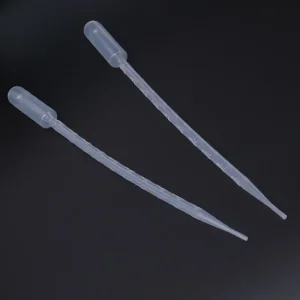
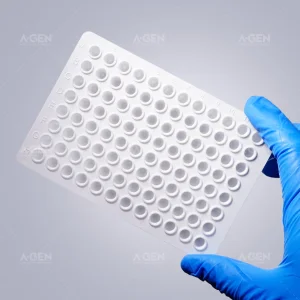
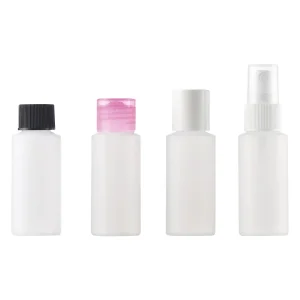
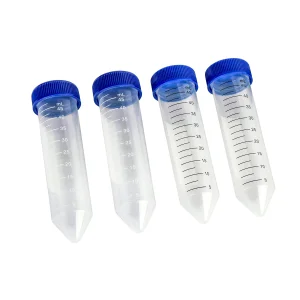
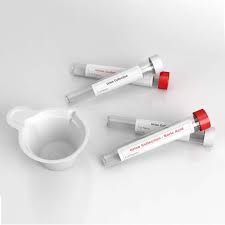
Breeze Medical specializes in the manufacturing of a wide range of medical products, including disposable medical consumables and laboratory instruments used in hospitals, clinics, and research centers. Among the company’s flagship products are:
These products are essential for performing medical procedures, diagnostics, and laboratory analysis, positioning Ningbo Breeze Medical as a key supplier in the healthcare sector.
The company has developed a cutting-edge processing capacity that allows it to manufacture products in large volumes without compromising on quality. Its modern production infrastructure includes advanced equipment that optimizes efficiency and precision in the manufacturing process. Additionally, the company has implemented automated production lines that ensure consistent quality and the ability to meet global market demands.
Ningbo Breeze Medical Co., Ltd. has significantly expanded its presence in both domestic and international markets. Its products are widely available and in high demand across various countries, reflecting the growing trust in the brand. The company’s success in global markets demonstrates its ability to offer innovative, high-quality products to customers worldwide.
The company has built a strong reputation due to its commitment to excellence and the reliability of its products. Ningbo Breeze Medical is certified with the highest international standards, such as CE, ISO 13485, ISO 9001, and Free Sales Certificate, ensuring that all its products comply with global quality and safety regulations. These certifications serve as proof of its ability to meet the expectations and requirements of the most demanding customers.
Scientific research is a key pillar of Breeze Medical’s innovation. The company continuously invests in developing new technologies and products that contribute to improved healthcare. Additionally, it boasts a team of highly skilled technical support engineers who provide 24/7 assistance to address any customer inquiries or needs, ensuring professional and timely service at all times.
Ningbo Breeze Medical Co., Ltd. continues to move forward with a strong focus on quality, innovation, and global expansion, offering effective and reliable solutions for the medical and laboratory sectors.
How regulatory pressure, environmental goals, and digitalization are shaping the future of thermal processing.
Autoclaves are no longer standalone islands. The deployment of Ethernet interfaces, PLC controllers, and SCADA database systems enables clinical labs to track cycle validation data automatically, linking sterilization logs directly to individual medical trays or laboratory batches via RFID or barcode tracking.
Eco-design requirements have driven the adoption of modern heat exchanger recovery loops and vacuum water recovery modules. Leading factories now supply sterilizers that reduce average municipal water waste by up to 90%, recirculating cooling water through localized chiller modules.
With global BSL-3 and BSL-4 research expanding, there is a substantial demand for advanced Effluent Decontamination Systems (EDS). Modern autoclaves designed for hazardous sites feature double-barrier hermetic containment seals, ensuring zero air or condensate escapes during the purge phase.
Matching autoclave dynamics to industry-specific chemical, biological, and material workflows.
Primary Concern: Throughput and sterility assurance levels (SAL 10-6).
Critical Equipment Parameters: Large horizontal autoclaves conforming to EN 285 standards. Must possess integrated steam generators and rapid cooling cycles utilizing sterile filtered air pulses.
Consumable Match: Hospital-grade sterilization wraps, class 6 indicators, and high-temperature resistant polypropylene trays.
Primary Concern: Validation, trace integrity, and cross-contamination prevention.
Critical Equipment Parameters: High-grade 316L stainless steel chambers with orbital weld piping. Clean steam connections (free of volatile chemical additives) and comprehensive 21 CFR Part 11 software compliance.
Consumable Match: High-temperature medical-grade silicone tubing, fluoropolymer bags, and heat-resistant borosilicate labware.
Primary Concern: Agar media preparation, decontamination of biohazardous media, and glassware recycling.
Critical Equipment Parameters: Top-loading vertical autoclaves designed for liquid waste cycles with slow cooling parameters to prevent boil-over.
Consumable Match: Ventable reagent bottles, sterile micro-pipettes, and heavy-duty biohazard sample transport zip bags.
An authoritative guide for purchasing teams looking to balance acquisition cost against long-term operational resilience.
Expert Sourcing Tip: When evaluating autoclave quotes, do not just compare the machine pricing. Compare the TCO (Total Cost of Ownership). Over a standard 10-year lifecycle, water, electricity, validation calibration costs, and consumable compatibility outweigh the initial hardware acquisition cost by up to 3 to 1. Inquire about annual preventative maintenance kits and the availability of replacement solenoids, door seals, and heating element spares locally.
Verify ASME, PED, and CE certification marks for local site operations safety inspectors.
Ensure the factory provides complete IQ/OQ/PQ documentation templates and calibration tools.
Partner with a supplier (like Breeze Medical) that coordinates autoclave compatibility with sterile consumables.
Coordinate power requirements (e.g., 208V, 240V, or 480V 3-phase) and cooling loop connections ahead of delivery.
Answers to critical technical queries surrounding steam sterilization, regulatory compliance, and equipment longevity.
Ensure sterilization success with our certified, high-grade laboratory consumables designed for demanding thermal applications.