Breeze Medical Breeze Medical

Top 10 Tips to Prevent Cross Contamination in Pipetting?

Time:2026-03-20 Author:Sienna
0%

In the world of laboratory work, preventing cross-contamination in pipetting is crucial. Dr. Jane Smith, a renowned expert in laboratory protocols, once stated, "Even a tiny mistake can lead to significant errors in results." This highlights the importance of accuracy and caution in pipetting.

How to prevent cross-contamination in pipetting involves many practices. One step is ensuring that pipette tips are changed frequently. Using filtered tips can also reduce risks, but they are not foolproof. It’s easy to overlook these details when under pressure. Laboratory environments can be hectic, and focus can wane.

Additionally, maintaining a clean workspace is vital. Contaminants can linger on surfaces and tools. Regular cleaning schedules are essential, yet they are often neglected. Therefore, recognizing the need for strict adherence to protocols is vital. Each pipetting session should be approached with a mindset of vigilance and precision.
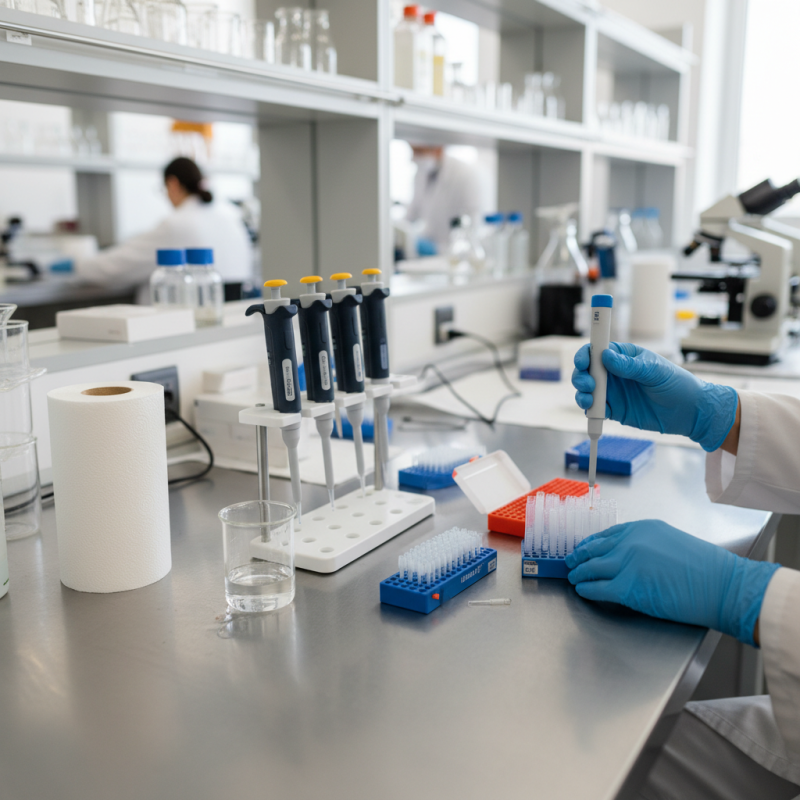
Top 10 Tips to Prevent Cross Contamination in Pipetting?

Understanding Cross Contamination in Pipetting

Cross contamination in pipetting can lead to inaccurate results. Research indicates that 20% of pipetting errors are due to contamination. This not only affects data integrity but can also lead to costly rework and lost time. In a lab environment, even minor errors can escalate into significant consequences. Proper understanding of cross contamination is essential for every lab technician.

Common sources of contamination include residual liquids on pipette tips and the handling of samples. Studies show that using a new tip for each sample can minimize the risk significantly. However, many still reuse tips out of habit or for convenience. This practice needs reevaluation. Each time a pipette tip is reused, the chance of introducing unwanted substances rises. Contamination is not always visible, which adds to the challenge.

Moreover, the environment plays a crucial role. Working near open containers or poorly designed workspaces can increase the likelihood of cross contamination. Researchers must be aware of their surroundings and practice good laboratory hygiene. Simple actions, like using filtered tips, can create a barrier against contaminants. Everyone can improve their technique through better awareness of these factors.

Essential Personal Hygiene Practices for Laboratory Work

Maintaining essential personal hygiene practices is crucial in laboratory settings. A study by the American Society for Microbiology highlights that improper hygiene leads to contamination in 20% of pipetting errors. Observing basic hygiene can significantly minimize this risk.

Washing hands thoroughly before starting any work is vital. Use soap and water for at least 20 seconds. It's easy to overlook this step when in a rush. Additionally, wearing gloves is necessary, but they are not a substitute for handwashing. Gloves can harbor contaminants if not changed frequently. A report from the Laboratory Safety Institute states that 30% of lab workers do not change gloves after each use, risking cross contamination.

Cleaning surfaces regularly is equally important. Many forget to sanitize areas around pipetting stations. In a survey conducted by the National Institutes of Health, over 25% of labs reported inadequate surface cleaning protocols. This negligence can lead to sample cross contamination. Disinfecting pipettes after each use is another recommended practice. Overall, addressing these hygiene lapses requires constant vigilance and self-reflection in the lab environment.

Choosing the Right Pipetting Tools and Accessories

Choosing the right pipetting tools is crucial for accurate results. A quality pipette ensures precise measurements. Consider the volume range needed for your experiments. Using pipettes with a narrow volume range can minimize measurement errors. Selecting pipette tips that fit securely is equally important. Loose tips may cause leaks or inconsistencies.

Accessories play a vital role in preventing contamination. Filter tips can protect samples from aerosols. They are especially useful in sensitive experiments. Another factor to consider is proper storage of pipetting tools. Keeping them clean and well-organized minimizes risks. Use designated racks to ensure pipettes don't touch contaminated surfaces.

Training staff on pipetting techniques can also reduce errors. Regularly inspecting tools for wear and tear is essential. Over time, even high-quality equipment may degrade in performance. These practices may seem basic, but they require constant reflection and improvement. Ensuring the right tools and accessories can significantly impact lab results.

Top 10 Tips to Prevent Cross Contamination in Pipetting

Proper Pipetting Techniques to Minimize Contamination

Proper pipetting techniques are essential in any laboratory setting. Ensuring accuracy while minimizing contamination can be challenging. Begin by always using the correct pipette for your volume needs. Choose the right tips; they play a crucial role in preventing cross-contamination. Remember, even minor misalignments can introduce unwanted variables into your samples.

When pipetting, avoid touching the tip with your hands or any surfaces. Use the provided tip ejectors for disposal. This simple action can drastically reduce contamination risks. Additionally, practice consistent pipetting angles. Holding the pipette vertically or at a consistent angle aids in accuracy. It's easy to overlook this; yet, it is vital for reliable results.

Maintaining a clean workspace will help your efforts. Regularly sterilize surfaces and keep your pipetting tools organized. Empty containers can become sources of contamination. Keep track of usage to identify patterns and mistakes. Reflection on these techniques can improve practices over time. It’s a continual process of learning and adapting.

Top 10 Tips to Prevent Cross Contamination in Pipetting

Tip Number Tip Description Reason to Follow
1 Use Barrier Tips Helps prevent the backflow of liquids into the pipette.
2 Change Tips Between Samples Reduces the risk of cross-contaminating samples.
3 Pre-wet Tips Minimizes sample loss and retains accuracy.
4 Use Sterile Pipette Tips Ensures the integrity of sensitive samples.
5 Avoid Touching Tips Prevents introducing contaminants from hands.
6 Proper Pipetting Technique Ensures accuracy and minimizes residue in pipette.
7 Avoid Aerating Samples Prevents contamination from exposure to air.
8 Store Reagents Properly Prevents degradation and contamination of materials.
9 Calibrate Pipettes Regularly Ensures precise measurements to avoid contamination.
10 Maintain a Clean Work Environment Reduces risk of contamination from surfaces.

Routine Maintenance and Cleaning of Pipetting Equipment

Routine maintenance and cleaning of pipetting equipment are essential for preventing cross-contamination. Regularly inspect pipettes for wear and tear. Check for any leaks or damage. Use a clean, lint-free cloth to wipe down the exterior after each use. This simple act can prevent residue build-up that might affect your results.

Cleaning the pipette tips is crucial. Discard used tips in a designated container. Dirty tips can lead to cross-contamination. Moreover, calibrate your pipettes periodically to ensure accurate dispense volumes. Take time to document each maintenance step. It will help in identifying patterns of wear or issues over time.

It's easy to overlook these tasks, especially during busy lab hours. Some may think a quick wipe is enough. But even small oversights can lead to larger problems. Prioritize a maintenance schedule. Make it a routine part of lab work. A clean pipette is the first step toward reliable results.

FAQS

: What is cross contamination in pipetting?

: Cross contamination occurs when unwanted substances affect the samples during pipetting.

How common is contamination in pipetting?

Research shows that 20% of pipetting errors arise from contamination.

What are common sources of contamination?

Residual liquids on tips and sample handling are major contamination sources.

How can I minimize contamination risks?

Use a new pipette tip for each sample to greatly reduce contamination.

Why do some labs reuse pipette tips?

Many technicians reuse tips for convenience, but this increases contamination chances.

How does the lab environment impact contamination?

Working near open containers or cluttered spaces can heighten contamination risks.

What role do pipetting accessories play?

Accessories like filter tips prevent sample contamination, especially in sensitive experiments.

How can I ensure proper storage of pipetting tools?

Keep tools clean and organized, using designated racks to avoid contamination.

Why is training important in pipetting?

Proper training reduces errors and promotes better technique among lab staff.

What should I do if my pipetting tools show wear?

Regular inspections are important; degraded tools can lead to inaccurate results.

Conclusion

Cross-contamination in pipetting can significantly impact experimental results, making it crucial to adopt effective prevention strategies. To understand how to prevent cross-contamination in pipetting, laboratory personnel should first prioritize essential personal hygiene practices, such as handwashing and wearing appropriate protective gear. Selecting the right pipetting tools and accessories further aids in minimizing contamination risks, as does mastering proper pipetting techniques, which include avoiding contact with tube edges and using proper pipetting angles.

Additionally, routine maintenance and cleaning of pipetting equipment are vital to ensure their longevity and effectiveness. Regularly inspecting and replacing tips, along with cleaning the pipette surfaces, can prevent residual cross-contamination from previous samples. By implementing these practices, laboratory workers can ensure a more reliable and productive workflow while safeguarding the integrity of their experiments.

Sienna

Sienna

Sienna is a skilled marketing professional with a deep expertise in our company’s core products and services. With a passion for innovation and detail, she plays a pivotal role in crafting insightful blog posts that not only highlight the unique features of our offerings but also provide valuable......