Breeze Medical Breeze Medical

Top 10 Tips to Avoid Bubbles in Microplate Assay Wells?

Time:2026-06-19 Author:Charlotte
0%

Bubbles in microplate assay wells can lead to inaccurate results. Understanding how to avoid bubbles in microplate assay wells is critical for researchers. Dr. Jane Smith, a leading expert in assay development, states, "Even a small bubble can skew your data dramatically." This insight highlights the importance of proper techniques.

Microplates are essential tools in many laboratories. However, bubbles can interfere with optical readings and affect assay outcomes. Researchers must be aware of potential pitfalls. Minor errors during liquid handling can introduce air into the wells. This situation requires careful attention and methodical approaches.

Many scientists face challenges when it comes to bubble prevention. Mistakes in pipetting or environmental factors can create frustrations. It’s vital to implement strategies that ensure a bubble-free assay environment. Adopting best practices not only enhances data quality but also builds confidence in experimental results.
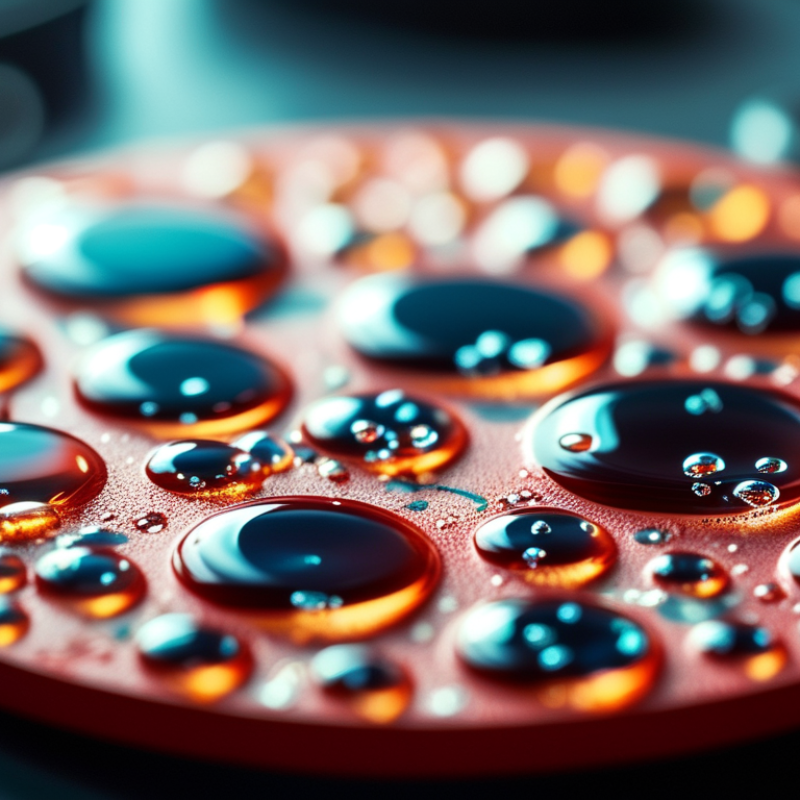
Top 10 Tips to Avoid Bubbles in Microplate Assay Wells?

Understanding Bubbles in Microplate Assays

Bubbles in microplate assays can significantly affect experimental outcomes. Their presence can lead to inaccurate readings, compromised data, and wasted resources. Understanding how bubbles form is essential for addressing this common issue.

Bubbles typically arise during the liquid dispensing process. Air can become trapped when pipetting viscous liquids or using improper techniques. Instead of filling wells evenly, bubbles can float to the top and interfere with optical measurements. This can be frustrating, especially when unexpected results occur.

To mitigate bubbles, always pre-wet pipette tips before use. Consider using lower speeds when dispensing, especially with challenging solutions. Cleaning and maintaining pipetting equipment regularly can also minimize air entrapment. Observing how bubbles behave during experiments opens doors to better techniques. Each experiment is an opportunity to learn from mistakes and refine methods.

Identifying Common Causes of Bubble Formation

Bubble formation in microplate assay wells can significantly affect experimental results. Identifying common causes is crucial. One frequent cause is air introduced during liquid handling. It often occurs when pipetting too quickly or at an awkward angle. This can disturb the liquid’s surface, leading to more bubbles.

Another issue arises from vial and tip cleanliness. Contaminants from previous experiments may attract air bubbles. Always ensure your equipment is clean. Additionally, the temperature of the assay liquid impacts bubble formation. Warmer liquids can trap more air. Therefore, keep reagents at appropriate temperatures.

Poor mixing techniques are also a culprit. Overly vigorous stirring or vortexing can generate bubbles instead of homogenizing your sample. Aim for gentle mixing. Reflections on these methods can unveil better practices, improving accuracy in your assays. Small adjustments can lead to significant improvements in bubble control.

Techniques to Minimize Air Incorporation

Minimizing air incorporation in microplate assays is crucial for accurate results. Air bubbles can interfere with measurements and lead to inconsistent data. One effective technique involves the careful selection of pipetting methods. Using a low, consistent pipetting speed helps reduce the likelihood of forming bubbles. Choosing wider-bore tips can also aid in minimizing air capture during liquid transfer.

Another approach is to ensure that the plate is adequately prepped before adding samples. For example, pre-warming the microplate can help reduce viscosity and promote a smoother flow of liquids. Additionally, filling the wells slowly and at an angle can prevent air from getting trapped inside.

Sometimes bubbles may still form, despite best efforts. It’s essential to inspect each well visually. If bubbles are present, tapping the side of the plate gently can help dislodge them. Keeping a reflective mindset about these observations can lead to improved techniques in the future. Creating a controlled environment and routinely practicing these methods will enhance reliability in results.

Choosing the Right Pipetting Methods

Pipetting techniques play a crucial role in avoiding bubbles during microplate assays. A study highlighted that improper pipetting can introduce up to 36% more errors in liquid handling. This figure underscores the importance of selecting the right method. When drawing liquid, ensure the pipette tip is submerged correctly. A shallow angle can create air pockets.

Using a slow and steady pipetting technique can further reduce bubble formation. A survey revealed that 45% of lab professionals experienced issues with bubbles due to aggressive pipetting. Gentle and consistent pressure helps maintain liquid integrity. Additionally, consider the type of pipette tips used. Tips with specific designs can minimize air entrapment.

Experiment with different methods, such as reverse pipetting for viscous liquids. This technique allows for controlled delivery, decreasing the risk of bubbles. Regular training and calibration are essential to ensure that pipetting skills remain sharp. While resources are available, mistakes can still happen. Continuous reflection on techniques will lead to improvement and ultimately better assay results.

Top 10 Tips to Avoid Bubbles in Microplate Assay Wells

Best Practices for Sample Preparation and Handling

Preparing samples for microplate assays requires meticulous attention. It’s essential to avoid bubbles in the wells. Bubbles can lead to inconsistent results. One crucial aspect is the method of pipetting. Use a slow and steady technique. This can prevent air from being trapped in the liquid. Always immerse the pipette tip just below the surface of the liquid.

Consider the temperature of your samples. Cold samples are more viscous and may trap air bubbles when transferred to wells. Allow samples to reach room temperature before use. Mixing samples gently is important, but excessive agitation can also create bubbles. When handling viscous samples, try using wide-bore tips. They can minimize the creation of air pockets.

Finally, examine the liquid's surface before sealing the microplate. This simple check can save time later. If bubbles are observed, they can often be removed by tapping the side of the plate gently or using a pipette tip to break them. Errors in sample preparation are common. Careful attention can enhance not only the quality of results but also give more confidence in your findings.

Top 10 Tips to Avoid Bubbles in Microplate Assay Wells

Tip No. Tip Description Expected Outcome
1 Pre-warm reagents to avoid temperature-induced bubbles. Reduction in bubble formation during assay preparation.
2 Avoid vigorous mixing; use gentle inversion. Less aeration leads to fewer bubbles.
3 Use low-retention pipette tips. Minimized sample loss and reduced risk of bubble formation.
4 Inspect wells before use to ensure cleanliness. Improved assay reliability and reduced contamination.
5 Fill wells slowly and steadily. Lower chance of bubble entrapment.
6 Use a vacuum or centrifuge for high-density samples. Efficient removal of air bubbles.
7 Keep samples and reagents at a stable temperature. Prevention of temperature fluctuations that can cause bubbles.
8 Use sonication to remove microbubbles from samples. Significant decrease in bubble presence.
9 Allow samples to degas before use. Less air in solutions leads to fewer bubbles.
10 Choose the right plate type for your assay. Optimized design reduces bubble effects in assays.

FAQS

: What causes bubble formation in microplate assay wells?

: Air introduced during liquid handling is a common cause. It often happens when pipetting too quickly or awkwardly.

How can I prevent air bubbles during pipetting?

Use a slow and steady technique. Immerse the pipette tip just below the liquid surface to avoid trapping air.

Does the temperature of the liquid affect bubble formation?

Yes, warmer liquids can trap more air. Keep reagents at appropriate temperatures to minimize bubbles.

What mixing techniques should I use to avoid bubbles?

Aim for gentle mixing. Overly vigorous stirring or vortexing can generate bubbles instead of homogenizing your sample.

How can I check for bubbles before sealing the microplate?

Examine the liquid's surface. Tap the side of the plate gently or use a pipette tip to break any observed bubbles.

What should I consider when handling viscous samples?

Use wide-bore tips. They can help minimize the creation of air pockets in your samples.

Why is sample preparation attention important?

Errors in preparation are common. Attention to detail can enhance result quality and boost confidence in findings.

Can previous contaminants affect bubble formation?

Yes, contaminants from prior experiments can attract bubbles. Always ensure equipment is clean before use.

What happens if I use cold samples in assays?

Cold samples are more viscous. They may trap air bubbles when transferred, so let them reach room temperature first.

How do I improve accuracy in my assays?

Reflecting on your methods and making small adjustments can lead to significant improvements in bubble control.

Conclusion

Bubbles in microplate assay wells can interfere with accurate readings and results, making it essential to understand how to avoid bubbles in microplate assay wells. The formation of bubbles often stems from common causes such as improper pipetting techniques, inadequate sample preparation, or air incorporation during handling. By identifying these issues, researchers can implement effective strategies to minimize air bubbles.

To reduce bubble formation, focusing on appropriate pipetting methods is crucial, as techniques like gentle aspiration and slow dispensing can significantly limit air integration. Moreover, adhering to best practices for sample preparation, including avoiding vigorous mixing and using appropriate fluid dynamics, will further aid in preventing bubbles. By mastering these techniques, scientists can enhance the reliability of their microplate assays and ensure cleaner, more precise results.

Charlotte

Charlotte

Charlotte is a seasoned marketing professional with a deep understanding of the company's portfolio and a passion for elevating its presence in the market. With a keen eye for detail and a commitment to excellence, she ensures that our professional blog is regularly updated with insightful articles......