Labeling cryovials correctly is crucial in biobanking and research. Dr. Jane Stevens, a leading expert in cryobiology, emphasizes, "Proper labeling is essential for sample integrity and traceability." When considering how to label cryovials for liquid nitrogen storage, attention to detail is vital.
Samples stored in liquid nitrogen require clear identification. Mislabeling can lead to significant implications, including the loss of research data. Each cryovial must be marked with essential information, such as sample type, date, and owner’s name. These details ensure fast retrieval and prevent confusion.
It's easy to overlook these details in a busy lab environment. However, neglecting proper labeling can lead to mistakes that affect research outcomes. Taking the time to create a standard labeling protocol may feel tedious, but this effort pays off in the long run. Ensuring all labels withstand extreme cold temperatures is also crucial. This will maintain their readability and protect your samples.
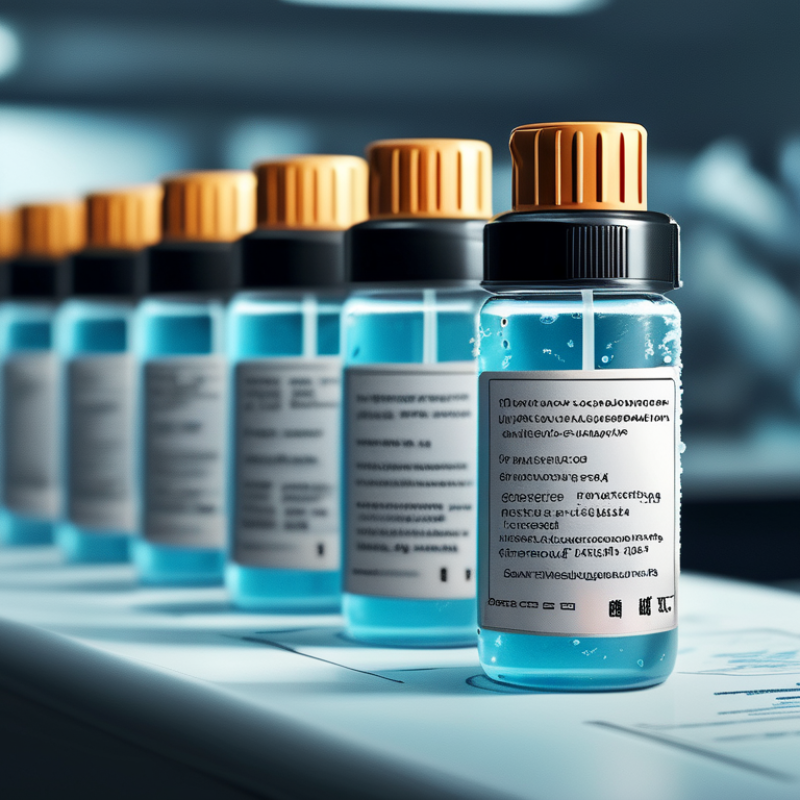
Best Practices for Cryovial Labeling in Liquid Nitrogen Storage
Labeling cryovials correctly is essential in liquid nitrogen storage. Ensuring clarity and durability of labels can prevent costly mistakes. Use waterproof labels that can withstand extreme temperatures. Choose a labeling system that includes barcodes or QR codes for better tracking. Handwritten labels can smudge in moisture, so consider using a durable printer.
Clearly identify the contents of each cryovial. Include information such as sample type, date collected, and unique identifiers. When labeling, avoid overcrowding the label with too much information. Clear and concise labels are easier to read and less likely to be misinterpreted. Mistakes in labeling can lead to serious errors in research outcomes.
Revisiting these practices regularly can help maintain standards. Periodic checks can reveal wear and tear on labels. It's important to be mindful of how labels can deteriorate over time. A well-executed labeling system not only enhances organization but also mitigates risks. The reality is, even small oversights can lead to future complications in data integrity.
Importance of Durable Labels for Long-Term Cryogenics
When storing biological samples in liquid nitrogen, durable labeling is crucial. Liquid nitrogen storage can lead to extreme temperatures that affect label integrity. Labels must withstand these conditions without deteriorating or peeling. Poor labeling can lead to sample misidentification. This can compromise experiments and lead to significant losses.
Labels should be resistant to moisture and chemicals. Waterproof options offer protection against condensation in storage. Additionally, they must adhere well to cryovials. A label that falls off could result in confusion and mistakes. Samples may not be retrievable without proper identification. Experimenting with different materials can help find the most effective solution.
It’s essential to use clear, legible fonts. Write down critical information like sample contents and dates. If the label is hard to read, that creates frustration. In contrast, a well-labeled cryovial enhances organization. Consider color-coding to improve visibility. This helps researchers to quickly locate specific samples. Regularly reviewing labeling processes can identify areas needing improvement. Keeping up with best practices ensures reliability in the long term.
Recommended Labeling Materials and Technologies for Cryovials
When it comes to labeling cryovials in liquid nitrogen storage, choosing the right materials is crucial. The labels must withstand extremely low temperatures and avoid degradation. According to a report by the International Society for Biological and Environmental Repositories, over 30% of samples are compromised due to inadequate labeling practices. That emphasizes the significance of reliable labeling technologies.
Using durable, cryogenic-compatible labels is vital. Polypropylene and polyester are recommended for their resistance to moisture and extreme cold. Additionally, waterproof and chemical-resistant inks can minimize fading, ensuring visibility in low temperatures. An important tip is to avoid pencils or standard markers. Instead, opt for permanent markers designed for cryogenic use. Handwritten details can lead to inconsistencies, highlighting the need for standardized labeling procedures.
Another consideration is the use of barcode or QR code labels. These advanced technologies allow for precise tracking and identification. Studies show that 40% of laboratories that implemented barcode systems reported improved sample retrieval times. Keep in mind the potential for mislabeling. Regular audits of labeled vials can help identify discrepancies before they escalate into larger issues, ensuring sample integrity throughout their storage lifecycle.
Top 10 Tips for Labeling Cryovials in Liquid Nitrogen Storage
Standardized Information to Include on Cryovial Labels
Labeling cryovials properly is crucial, especially in liquid nitrogen storage. Each label should contain essential information for easy identification. Start with sample identifiers like project codes or usernames. Include clear descriptions of the sample type. Accurate details minimize mix-ups, which can lead to significant setbacks in research.
In addition, always note the date of sample collection. This helps track sample viability over time. Include the initials of the person who prepared the sample. Such transparency adds credibility and allows for responsible monitoring. While it may seem tedious, consistency in labeling can save hours of confusion later.
Consider using color-coded labels to differentiate sample categories. However, beware of relying too heavily on this method. Colors can fade over time or appear differently under various lighting conditions. Create a standardized format that is easy to replicate, but also flexible to adapt as needed. Remember, imperfect labeling can lead to loss of valuable data. Reflecting on past errors can drive improvements in your labeling system.
Top 10 Tips for Labeling Cryovials in Liquid Nitrogen Storage
| Tip Number |
Label Content |
Importance |
Recommended Format |
| 1 |
Sample ID |
Essential for identification |
Unique alphanumeric code |
| 2 |
Date of Collection |
Critical for tracking sample age |
YYYY-MM-DD format |
| 3 |
Sample Type |
Necessary for processing |
e.g., Blood, DNA, RNA |
| 4 |
Volume |
Important for experiment setup |
Specify in mL or µL |
| 5 |
Storage Conditions |
Ensures sample integrity |
e.g., -80°C, liquid nitrogen |
| 6 |
Owner/Researcher Name |
To trace back ownership |
Full name |
| 7 |
Experiment Name |
Links to project background |
Specific experiment title |
| 8 |
Safety Information |
Prevents hazards |
Any relevant hazards |
| 9 |
Barcoding |
Facilitates tracking |
Use scannable barcode |
| 10 |
Color Coding |
Quick visual identification |
Use standardized color system |
Guidelines for Properly Organizing and Storing Labeled Cryovials
Labeling cryovials correctly is crucial for effective organization and storage in liquid nitrogen environments. Each cryovial should have a clear and readable label. Use waterproof and temperature-resistant labels to withstand extreme cold. Additionally, include essential information such as sample type, date of collection, and the person responsible for the sample. Mistakes in labeling can lead to mix-ups, wasting precious research time and resources.
Proper organization involves categorizing cryovials efficiently. Allocate designated storage areas based on sample types or projects. Use color-coded systems to enhance visibility and reduce errors. Regular checks of the inventory are essential. Maintaining an updated log of cryovial contents helps in locating samples quickly. However, even the best systems can fail. It's vital to periodically review your labeling and storage methods for possible improvements. This is an area that many overlook.
Training staff on these protocols ensures everyone is on the same page. Frequent reminders about the importance of accurate labeling can mitigate costly errors. In any laboratory, creating a culture of diligence is key. A seemingly small oversight in labeling can lead to significant setbacks. Consider evaluating your current practices regularly for enhanced reliability.
Conclusion
Properly labeling cryovials for liquid nitrogen storage is crucial for maintaining the integrity and organization of samples in long-term cryogenic conditions. Durable labels are essential for ensuring that information remains legible despite exposure to extreme cold and potential condensation. It is important to use labeling materials and technologies that can withstand these harsh environments, such as waterproof and tear-resistant options.
When considering how to label cryovials for liquid nitrogen storage, researchers should include standardized information such as sample type, date of collection, and unique identifiers. Additionally, an organized storage system that categorizes labeled cryovials effectively can significantly improve efficiency in retrieving samples. Following these best practices not only enhances sample management but also contributes to the overall success of cryogenic research initiatives.
 Breeze Medical
