Breeze Medical Breeze Medical

Top Tips for Properly Cleaning Reusable Laboratory Glassware?

Time:2026-08-26 Author:Amelia
0%

Cleaning reusable laboratory glassware is crucial for maintaining accuracy and safety in experiments. Dr. Emily Carter, a leading expert in laboratory best practices, emphasizes, "Thorough cleaning prevents cross-contamination and ensures reliable results." Understanding "How to clean reusable laboratory glassware properly" is not just about following steps; it requires attention to detail and a commitment to best practices.

Glassware, if not cleaned correctly, can harbor residues that alter experimental outcomes. Using the right techniques and materials can significantly improve the cleaning process. Rinsing with distilled water, for instance, removes impurities that tap water might leave. Yet, some may overlook this critical step, risking the validity of their work.

It's important to recognize that glassware cleaning is an area where many can falter. The common mistake of assuming a quick rinse is sufficient can lead to issues. Reflection on one's habits can improve laboratory practices. By adopting rigorous cleaning protocols, researchers can ensure their results are both reliable and replicable. Emphasizing a disciplined approach to cleaning is essential for all in the laboratory environment.
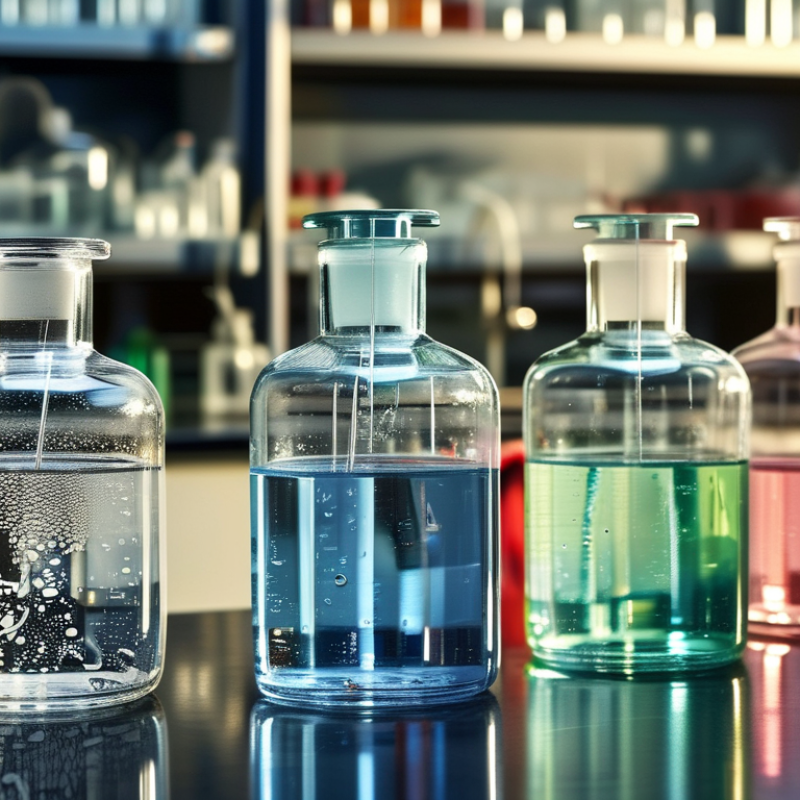
Top Tips for Properly Cleaning Reusable Laboratory Glassware?

Importance of Cleaning Reusable Laboratory Glassware Properly

Proper cleaning of reusable laboratory glassware is crucial for maintaining experimental integrity. Clean glassware helps avoid cross-contamination between samples. Even a tiny residue can lead to inaccurate results. This can compromise research and lead to wasted resources.

Using the right cleaning methods is essential. Many laboratories rely on distilled water and appropriate cleaning agents. However, not all agents are created equal. Some may not effectively remove all contaminants. It's vital to choose cleaners based on the specific residues present. Additionally, scrubbing with brushes is often necessary to ensure thorough cleaning.

Many lab personnel overlook drying methods. Air drying may seem sufficient, but even residual moisture can affect experiments. Using a lint-free cloth or dryer can help eliminate water spots. This step is sometimes forgotten, but it is critical. Taking the time to ensure complete drying can profoundly impact results. Reflecting on these practices can lead to a higher standard of lab work.

Common Contaminants Found on Laboratory Glassware

Laboratory glassware is often exposed to various contaminants. These can include biological materials, chemical residues, and particulate matter. Over time, such contaminants can compromise experimental results. Research indicates that approximately 25% of lab glassware retains residual contaminants after standard cleaning processes. This underscores the importance of thorough cleaning protocols.

Common biological contaminants include cells, proteins, and nucleic acids. These substances can not only affect assay results but also lead to cross-contamination in subsequent experiments. One study reported that even minute traces of nucleic acids could skew PCR results significantly. Such findings highlight the need for rigorous cleaning techniques tailored to remove biological residues effectively.

Chemical residues pose another substantial risk. Solvents, acids, and alkalies can leave behind stubborn residues that are challenging to detect. If not eliminated, these can interact with new compounds introduced during experiments. A survey conducted by the American Chemical Society found that nearly 30% of laboratory errors stem from improper cleaning of glassware. This statistic emphasizes the necessity for a well-defined cleaning regimen that addresses both biological and chemical contaminants.

Step-by-Step Guide to Cleaning Techniques for Glassware

Cleaning reusable laboratory glassware is essential for maintaining accurate results in experiments. It's important to approach this task methodically. Start by rinsing the glassware with warm water to remove any residue. This initial step helps prevent any contamination during the deep-cleaning process.

Next, you should soak the glassware in a suitable cleaning solution. Be mindful of the concentration; too strong can damage the glass. After soaking, use a soft brush or a cloth to scrub away any remaining dirt. Pay extra attention to the edges and corners. Rinse thoroughly with distilled water to eliminate any soap residue. Incomplete rinsing can lead to contamination in future experiments.

Finally, drying the glassware is crucial. Air drying is effective but may leave water spots. Wipe with a lint-free cloth if aesthetics matter. Also, be careful with the drying method; high heat can warp delicate glass. Review your cleaning routine regularly. Imperfections can occur, and recognizing these is key to perfecting your process. Cleaning glassware requires patience and attention to detail for the best results.

Top Tips for Properly Cleaning Reusable Laboratory Glassware

Cleaning Technique Steps Recommended Products Notes
Rinsing 1. Rinse with cold water
2. Rinse with warm water
Distilled water Remove initial contaminants
Detergent Cleaning 1. Use warm water
2. Apply laboratory-grade detergent
3. Scrub with appropriate brushes
Laboratory-grade detergent Ensure to use non-abrasive brushes
Acid Cleaning 1. Prepare dilute acid solution
2. Soak glassware
3. Rinse thoroughly
Dilute hydrochloric acid Use in well-ventilated area
Drying 1. Air dry or use drying oven
2. Ensure complete dryness before storage
Drying rack or oven Prevent mold and contaminants

Recommended Cleaning Agents and Tools for Laboratory Use

Cleaning reusable laboratory glassware requires precision and the right tools. Common cleaning agents like distilled water, ethanol, and mild detergents are essential. Use distilled water to rinse off contaminants thoroughly. Ethanol works well for removing residues from biological samples. Mild detergents can eliminate stubborn chemical deposits without damaging the glass.

Tools play a significant role in achieving proper cleanliness. Use a brush with soft bristles for test tubes and pipettes. Sponge pads help in cleaning flasks and beakers without scratching. Ensure the brushes fit snugly in the glassware to maximize effective cleaning.

However, cleaning can be tricky. Some residues may require multiple washes before achieving complete removal. It’s important to observe if anything remains after washing. If unsure, repeating the cleaning process is wise. Reflect on your cleaning methods regularly. Adapt your approach based on the types of samples you handle.

Best Practices for Storing Cleaned Laboratory Glassware

Proper storage of cleaned laboratory glassware is crucial in maintaining its integrity and usability. According to a study published in the Journal of Lab Safety, improperly stored glassware can lead to contamination, which may compromise experimental results. It is recommended to store glassware in a clean, dry area, away from potential hazards. Cabinets or shelving units made of non-corrosive materials are ideal. These spaces should be ventilated to prevent moisture accumulation, which can lead to mold or mildew.

Handling glassware with care is also essential. Ensuring that glassware is completely dry before storage reduces the risk of water spots or mineral build-up. A recent industry report indicated that 35% of researchers encounter issues due to residual moisture in glassware. Utilizing airtight containers for long-term storage can minimize exposure to contaminants and dust. Additionally, labeling containers helps in quick identification, preventing mix-ups in a busy lab environment.

Regular training on the best practices for cleaning and storing glassware can greatly enhance lab safety. Despite the importance of these protocols, many labs overlook the systematic organization of glassware. Reflecting on this can lead to improved practices and ultimately enhance research quality.

FAQS

: Why is cleaning laboratory glassware important?

: Proper cleaning avoids cross-contamination and ensures accurate experimental results. Even small residue can lead to errors.

What cleaning agents should be used for laboratory glassware?

Choose cleaning agents carefully. Not all are effective for all types of residues. Consider the specific contaminant present.

How should glassware be initially cleaned?

Start by rinsing with warm water. This removes residue and helps avoid contamination during deeper cleaning.

Is air drying sufficient for glassware?

Air drying may leave water spots. Using a lint-free cloth ensures complete drying, which is critical for accuracy.

How can I prevent contamination in stored glassware?

Store cleaned glassware in a dry, clean area. Airtight containers reduce exposure to dust and other contaminants.

What are the risks of not drying glassware completely?

Residual moisture can cause water spots and mineral buildup. Ignoring this can compromise future experiments.

Why is attention to detail important in cleaning?

Patience in cleaning ensures thoroughness. Small mistakes can lead to significant issues in experimental results.

What should be done if cleaning methods aren't working?

Reflect on your cleaning practices regularly. Imperfections can be common, and recognition is key to improvement.

Can the concentration of cleaning solutions damage glassware?

Yes, using too strong a solution can harm the glass. Always follow recommended concentrations for best results.

How can labeling help in glassware storage?

Labeling containers aids quick identification. This prevents mix-ups in busy lab environments, enhancing efficiency.

Conclusion

Properly cleaning reusable laboratory glassware is crucial to ensure accurate experiments and prevent contamination. Common contaminants such as residues from reagents, biological materials, or even dust can affect the integrity of future experiments. It's essential to follow a step-by-step guide that includes rinsing glassware, using appropriate cleaning agents, and employing various techniques like soaking, scrubbing, or ultrasonic cleaning.

When considering how to clean reusable laboratory glassware properly, it's important to use recommended cleaning agents and tools suitable for laboratory use. After cleaning, adopting best practices for storing the glassware, such as using clean, dry storage conditions, helps maintain its integrity for future use. By following these guidelines, laboratory personnel can ensure that their glassware remains in optimal condition for precise and reliable scientific work.

Amelia

Amelia

Amelia is a seasoned marketing professional with a wealth of expertise in our company’s core offerings. With an unwavering passion for driving growth and innovation, she plays a pivotal role in shaping our marketing strategies and enhancing brand visibility. A key aspect of her responsibilities......