Disposing of used medical swabs safely is a critical health and safety concern. According to a report by the World Health Organization (WHO), improper disposal can lead to infections and environmental hazards. Experts stress the significance of following established disposal guidelines. Dr. Lisa Tran, a public health expert, states, "Proper disposal prevents contamination and protects our communities."
Many households may not realize the potential risks associated with used medical swabs. In the United States alone, millions of swabs are discarded each day. Unfortunately, many end up in regular trash, which poses a serious threat to sanitation workers and the environment. Safe disposal methods exist, but awareness is often lacking.
It's easy to overlook these details. Simple practices, like using puncture-resistant containers, can make a difference. Education on how to dispose of used medical swabs safely is necessary for public health. The goal is to maintain safety while minimizing risks to both individuals and the environment.
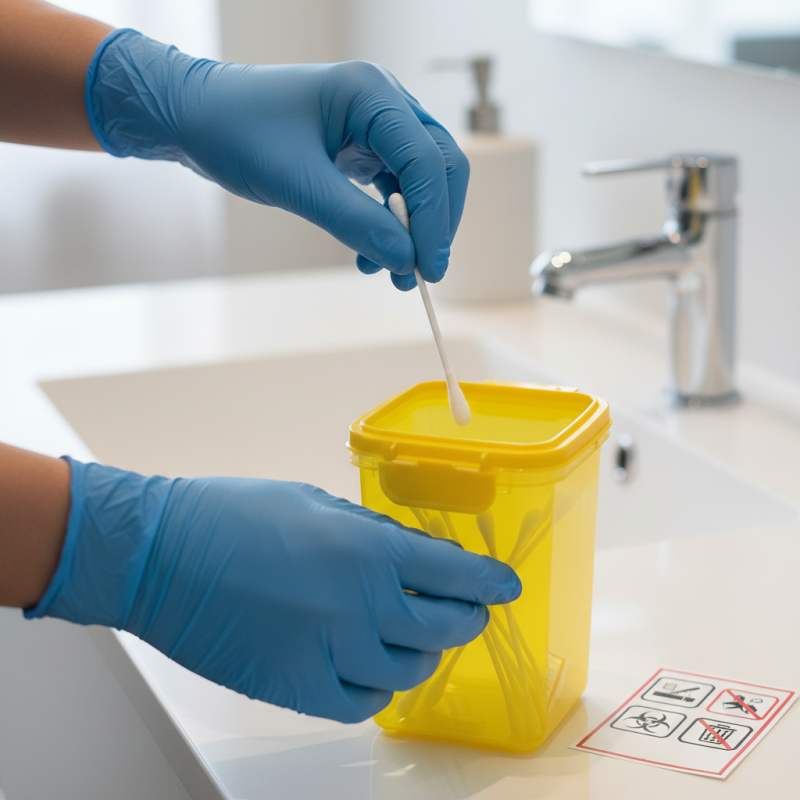
Understanding the Risks of Improper Disposal of Medical Swabs
Improper disposal of medical swabs poses significant health risks.
Used swabs can carry harmful pathogens. If thrown in regular trash, they may injure waste workers. This could lead to contamination and spread of infection.
Tips: Always handle used swabs with care. Wear gloves when disposing of them.
Sealing them in a plastic bag can reduce risks.
Another concern is environmental impact. Swabs may be made from non-biodegradable materials. When they end up in landfills, they can contribute to pollution.
Educating yourself on proper disposal methods is crucial.
Tips: Check local regulations for hazardous waste disposal. Many communities have specific guidelines.
Some areas provide designated drop-off locations for medical waste.
Types of Medical Swabs Commonly Used at Home
Medical swabs are frequently used at home for various purposes. They help collect samples for infections, clean wounds, or perform simple tests. The most common types are cotton swabs, sterile swabs, and swabs with specific tips. Cotton swabs are versatile and can be used in personal care. Sterile swabs are often employed in healthcare for accurate sample collection. Swabs with specialized tips may be used for cosmetic applications.
According to a report by the World Health Organization, improper disposal of medical waste can lead to health risks. In 2022, it was noted that 85% of medical waste is non-hazardous, while 15% remains hazardous. This includes items like used medical swabs, which can be a vector for infections if not disposed of correctly. It is essential to treat all used swabs as potentially infectious waste, even those from minor procedures.
When disposing of medical swabs, place them in a puncture-resistant container. This prevents accidental pokes and helps to manage waste effectively. Avoid throwing swabs directly into the regular trash, as this can lead to contamination. Some households may be uncertain about local disposal regulations. Research your community guidelines on medical waste, as practices can differ widely. Understanding how to handle these materials safely is crucial for preventing health risks at home.
How to safely dispose of used medical swabs at home? - Types of Medical Swabs Commonly Used at Home
| Type of Medical Swab |
Common Uses |
Disposal Method |
| Cotton Swabs |
Cleaning wounds, applying ointments |
Sealed plastic bag, regular trash |
| Alcohol Swabs |
Disinfecting skin before injections |
Sealed plastic bag, regular trash |
| Nasal Swabs |
Collecting samples for testing |
Biohazard waste container |
| Oral Swabs |
Collecting saliva samples |
Biohazard waste container |
Best Practices for Safe Disposal of Used Medical Swabs
Disposing of used medical swabs safely is vital for health and environmental reasons. These swabs can carry pathogens. Therefore, proper disposal methods are essential. Wrap the used swabs in tissue to contain any potential contamination. Seal them in a plastic bag. This prevents direct contact with others and reduces the risk of spreading infections.
Using household trash can be convenient, but it may not always be safe. Consider if your local waste disposal guidelines allow this method. Creating a designated sharps container at home could be a thoughtful solution. Clearly label it to warn others. Keep it out of children's reach. This container can also hold other sharp medical waste, making it a multi-purpose solution.
Some may feel tempted to flush swabs down the toilet. This can lead to plumbing issues and environmental harm. Reflect on your disposal practices. Are they minimizing the risk to your family and the environment? It’s important to stay informed about safe disposal options. Doing so contributes to community health and safety.
Best Practices for Safe Disposal of Used Medical Swabs
Alternatives to Traditional Disposal Methods for Medical Swabs
When disposing of used medical swabs at home, traditional methods may not always be the safest or most effective. Traditional disposal typically involves throwing used swabs in the regular trash, which can pose health risks. This method may expose waste management workers to pathogens, according to a report from the World Health Organization. They indicate that improper waste disposal can lead to increased transmission of infections.
Alternatives are gaining traction among health-conscious individuals. Sharps containers are one option. These containers are designed to safely hold used medical waste, reducing risks. Many home health kits come with their own sharps container, but empty containers can also be purchased separately. Some cities offer safe drop-off locations for medical waste, allowing community members to dispose of items responsibly. Local health departments often provide disposal guidelines tailored to specific areas.
Composting is another innovative solution for certain biodegradable materials, though medical swabs typically should not be included. A study published in the Journal of Waste Management noted that 40% of households are unaware of safe disposal methods. A lack of awareness may lead to improper practices. Encouraging education on this topic is essential for community health and safety.
Local Regulations and Resources for Medical Waste Disposal
Disposing of used medical swabs at home requires careful consideration. Local regulations vary significantly. Some areas provide specific guidelines for disposing of medical waste. Check with your local health department or waste management facility. They can offer resources to ensure safe disposal.
Tips for safe disposal include using a sealed container. A sturdy plastic container can keep your used swabs from causing harm. Label the container to indicate its contents. This helps others understand its purpose. Avoid placing swabs in your regular trash. This simple step reduces the risk of contamination.
Consider the possibility of alternative disposal options. Some communities have designated drop-off sites for medical waste. If available, utilizing these services can enhance safety. Remember, it’s not just about personal responsibility. Ensuring community safety is crucial. Reflect on your disposal habits. Proper disposal doesn’t just protect you; it protects everyone around you.
FAQS
: Traditional methods often involve throwing used swabs in regular trash, which can pose health risks.
It may expose waste management workers to pathogens, increasing the risk of infection transmission.
Using sharps containers specifically designed for medical waste is a safe option.
Many home health kits include them, or empty containers can be purchased separately.
Yes, some cities offer safe drop-off locations for medical waste disposal.
Use a sealed container, label it, and avoid placing swabs in regular trash.
Many households are unaware of safe methods, which can lead to improper disposal practices.
Local regulations vary, so check with your health department for specific guidelines.
No, medical swabs should typically not be included in composting efforts.
Proper disposal protects not just you, but also your community's health and safety.
Conclusion
When considering "How to dispose of used medical swabs safely," it's essential to understand the risks associated with improper disposal, which can lead to health hazards and environmental damage. Medical swabs are commonly used at home for various purposes, such as wound care and testing, making it crucial for individuals to follow safe disposal methods to prevent contamination.
Best practices for disposing of used medical swabs include placing them in a sturdy, puncture-proof container before disposal in the regular trash. Alternatives, such as utilizing medical waste disposal services, can also be employed for those who want to take extra precautions. Additionally, it’s important to be aware of local regulations regarding medical waste disposal, as communities may offer specific resources for safe waste management. Following these guidelines can significantly reduce risks while promoting safety and environmental responsibility.
 Breeze Medical
