Breeze Medical Breeze Medical

How to Properly Store Petri Dishes in an Incubator?

Time:2026-07-27 Author:Ethan
0%

Properly storing petri dishes in an incubator is crucial for ensuring reliable experimental results. A study by the Laboratory Standards Institute found that improper storage can lead to contamination rates as high as 34%. This statistic highlights the importance of adhering to proper storage protocols. According to Dr. Sarah Anderson, a leading microbiologist, "Maintaining optimal conditions for petri dishes is key to accurate scientific outcomes."

The correct methods for storage can significantly influence the growth of microbial cultures. Factors such as temperature, humidity, and airflow should be strictly controlled. For example, petri dishes should be placed on shelves in a way that prevents stacking, allowing for proper air circulation. This practice reduces the risk of condensation, which could compromise cultures.

Yet, even seasoned researchers sometimes overlook these details. Mistakes in storage can result in failed experiments. Careful attention to storage practices is essential. It’s not just about having the right equipment; understanding "how to store petri dishes in an incubator" effectively is equally vital for success in the lab.
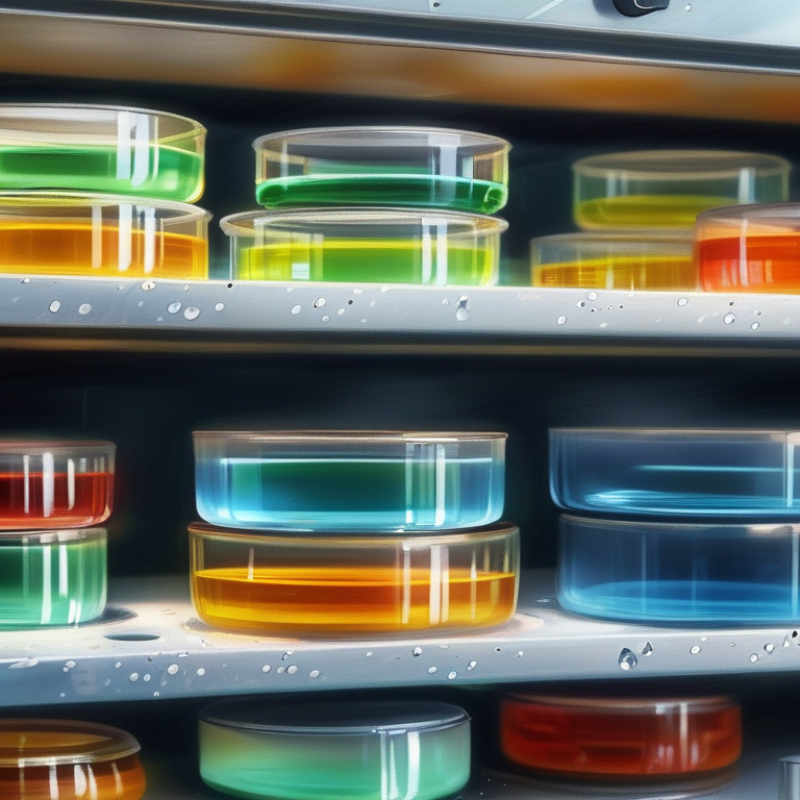
How to Properly Store Petri Dishes in an Incubator?

Best Practices for Organizing Petri Dishes in the Incubator

When storing Petri dishes in an incubator, organization is key to ensuring viable results. Start by categorizing your dishes based on their contents. Place similar experiments together. This saves time when retrieving them later, reducing the chances of cross-contamination. Use labels with clear identifiers. It helps not just you but also anyone assisting in the lab.

Temperature and humidity control are essential. Maintain consistent conditions within the incubator to promote uniform growth. Position dishes in a way that allows air circulation. Avoid stacking them directly on top of each other. This practice can lead to moisture buildup, affecting the experiments. Observing such details can prevent mishaps that often lead to wasted efforts.

It’s important to periodically review your storage method. Are some dishes older or less relevant? Regularly declutter your incubator. Take notes on what works and what doesn’t. This reflection can lead to better organization methods in the future. Embrace the learning process to optimize your incubator's efficiency.

Optimal Temperature and Humidity Settings for Incubators

The optimal temperature for incubating petri dishes usually ranges from 30°C to 37°C. This range supports the growth of most microorganisms. Precise temperature control is essential. Too low temperatures can slow microbial development. Conversely, too high temperatures may damage the samples.

Humidity also plays a crucial role in incubators. Maintaining relative humidity levels between 50% and 70% is ideal. Higher humidity can prevent the agar from drying out, which is important for optimal microbial growth. However, excessive moisture can lead to contamination. This makes precise monitoring vital.

Incubator settings require routine checks. Calibration should occur regularly to ensure accuracy. Small deviations over time can affect the results of experiments. Always keep a log of temperature and humidity readings. This practice promotes accountability and allows for better control. Reflecting on past deviations can improve future incubator management.

How to Properly Store Petri Dishes in an Incubator? - Optimal Temperature and Humidity Settings for Incubators

Parameter Recommended Setting Notes
Temperature 20-25°C Optimal for most bacterial cultures.
Humidity 60-70% Prevents evaporation of media in Petri dishes.
Incubation Time 24-48 hours Adjust based on organism growth rates.
Air Circulation Yes Ensures even temperature distribution.
Light Exposure Avoid direct light Excess light can affect growth.

Labeling and Identifying Dishes for Easy Access

Proper labeling is crucial when storing Petri dishes in an incubator. It helps prevent mix-ups that could result in experimental failure. A study published in the Journal of Laboratory Automation highlights that up to 30% of laboratory errors are due to misidentification. To avoid this, use clear, waterproof labels that include essential details, such as the sample type, date, and any treatments applied. This minimizes confusion and streamlines access when retrieving dishes.

Moreover, consider color-coding your labels. This simple method increases visibility and can reduce misidentifications by as much as 25%, according to the International Conference on Harmonisation. Use vibrant colors to differentiate between different experiments or sample types. Ensure that the ink doesn’t smudge or fade over time, and include a method for quickly identifying the category of the dish.

Regular reflections on your labeling process are vital. Evaluate your system every few months to improve efficiency and maintain clarity.

Regular Monitoring and Maintenance of Incubator Conditions

Maintaining incubator conditions is crucial for the successful storage of Petri dishes. Regular monitoring of temperature and humidity can help prevent contamination. Ideally, the incubator should be set at a consistent temperature between 20 to 25 degrees Celsius. Any fluctuations can lead to unexpected results in your experiments.

Air circulation is another vital aspect. Ensure vents are not blocked. This helps maintain an even distribution of temperature inside the incubator. Keeping a log of environmental conditions may seem tedious, but it is essential. Errors in data may lead to misinterpretations of experimental outcomes.

Don’t forget to clean the incubator regularly. This minimizes the risk of contamination. Use appropriate disinfectants and follow guidelines for cleaning. Mistakes during cleaning can lead to harmful residues. A well-maintained environment protects your cultures and ensures the reliability of your results.

Strategies for Avoiding Contamination of Petri Dishes

Proper storage of Petri dishes in an incubator is essential for successful cultures. Contamination can often compromise experiments. Research shows that over 25% of microbiological cultures face contamination issues. This can stem from improper handling and storage methods.

One key strategy involves using sterile techniques during preparation. Always use gloves and sterilized tools when transferring samples. A study by the American Society for Microbiology noted that contamination rates significantly drop with the use of autoclaved materials. Ensuring that the incubator environment maintains proper humidity and temperature can also help reduce risks. Extreme fluctuations in these conditions can affect culture integrity.

Regular monitoring of the incubator is vital. Keeping a log of temperature and humidity changes is beneficial. It's common for researchers to neglect these aspects, which can lead to unexpected results. Identifying early signs of contamination is crucial. Removing affected dishes promptly can prevent cross-contamination. Therefore, maintaining a clean and organized workspace is essential for integrity in research.

FAQS

: What is the optimal temperature range for incubating Petri dishes?

: The ideal temperature for incubating Petri dishes is between 30°C and 37°C.

Why is precise temperature control important in an incubator?

Incorrect temperatures can slow microbial growth or damage samples. Monitoring is crucial.

What humidity levels should be maintained in an incubator?

Aim for a relative humidity of 50% to 70% for optimal microbial growth.

Can too much humidity affect the samples?

Yes, excess moisture can lead to contamination. Precise monitoring is necessary.

How often should incubator settings be checked?

Routine checks are essential. Small deviations over time can impact experimental results.

What should be included on labels for Petri dishes?

Use clear, waterproof labels with sample details, date, and treatments applied.

How can color-coding labels help in the lab?

Color-coding increases visibility and reduces misidentifications by distinguishing samples easily.

Why is regular cleaning of the incubator critical?

Cleaning minimizes contamination risks and ensures the reliability of your results.

How does air circulation affect incubator conditions?

Unblocked vents ensure even temperature distribution, preventing unexpected results in experiments.

Should I reflect on my labeling process?

Yes, evaluating your labeling system regularly can improve efficiency and clarity in the lab.

Conclusion

Proper storage of Petri dishes in an incubator is essential for maintaining their integrity and preventing contamination. To effectively organize Petri dishes, it's important to follow best practices such as grouping similar dishes and ensuring they are placed in a manner that allows for optimal airflow. Additionally, setting the incubator to the optimal temperature and humidity levels is crucial to promote the desired bacterial growth while preventing unwanted microbial activity.

Labeling and identifying each dish ensures easy access and tracking of experiments. Regular monitoring and maintenance of the incubator conditions help in sustaining an ideal environment. Lastly, employing strategies to avoid contamination, such as using sterile techniques and regularly cleaning the incubator, will greatly enhance the reliability of experimental results. By following these guidelines, one can confidently answer the question of how to store Petri dishes in an incubator.

Ethan

Ethan

Ethan is a seasoned marketing professional with a deep expertise in our company's innovative product line. With a passion for sharing knowledge and insights, he takes the lead in regularly updating our corporate blog, where he explores industry trends, product features, and effective marketing......