Breeze Medical Breeze Medical

How to Properly Manage Biohazard Specimen Bags in Clinics?

Time:2026-06-30 Author:Madeline
0%

Proper management of biohazard specimen bags in clinics is crucial for safety and compliance. A recent report from the Centers for Disease Control and Prevention (CDC) states that improper handling of biohazard materials can lead to cross-contamination and increased infection risks. In clinical environments, staff must understand how to handle biohazard specimen bags in clinical settings to minimize these risks.

Dr. Sarah Thompson, an expert in medical waste management, emphasizes, "Effective training and strict protocols are essential for the safe handling of biohazard materials." This highlights the need for clinics to adopt best practices. Despite widespread awareness, many clinics still struggle with consistent adherence to these protocols.

One common oversight involves the improper labeling of specimen bags. This can lead to confusion and potential exposure to harmful pathogens. Additionally, using non-compliant bags can pose severe risks. Clinics must regularly assess their procedures to ensure compliance with industry standards and safeguard both employees and patients. Addressing these shortcomings is vital for improving biohazard management practices.
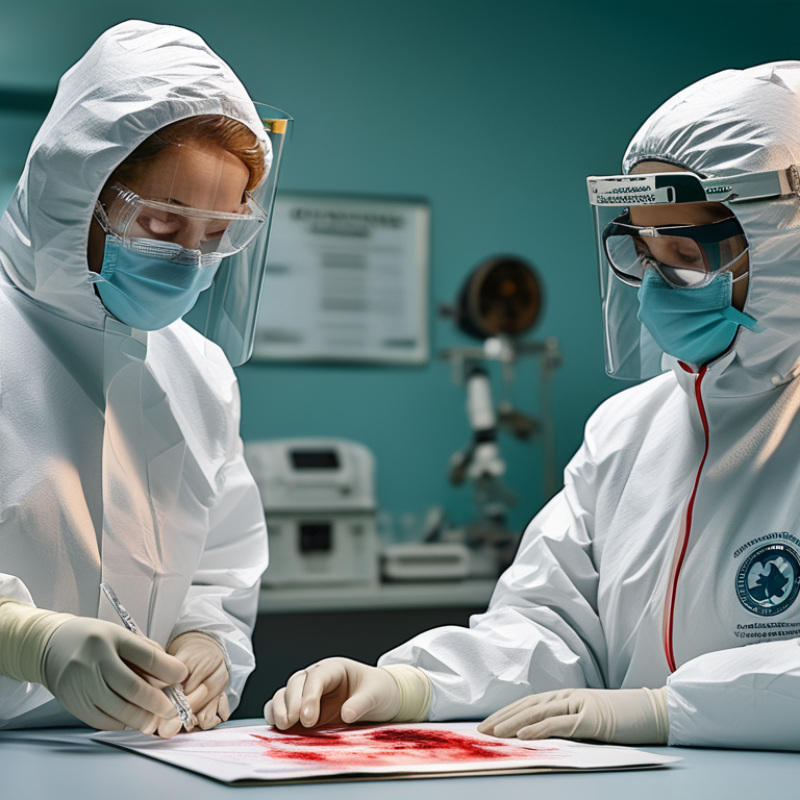
How to Properly Manage Biohazard Specimen Bags in Clinics?

Understanding Biohazard Specimen Bags and Their Importance in Clinics

Biohazard specimen bags are crucial in clinical settings. They are designed to safely contain and transport potentially infectious materials. Understanding their importance helps clinics minimize risks associated with hazardous waste. Proper use also ensures compliance with health regulations.

These bags are made from durable materials, often color-coded for easy identification. For instance, red bags signal biohazard materials, while clear bags may be used for non-contaminated items. Staff must inspect bags regularly for damage. A torn bag can lead to contamination, exposing patients and staff to dangers.

Training is vital, as many health workers underestimate the risks of improper handling. Reflection on past incidents highlights areas for improvement. There are cases where bags were not sealed properly, leading to spills. Such mistakes are reminders to enforce strict protocols.

Regular meetings can address these challenges, enhancing staff awareness. Ultimately, commitment to safety and adherence to guidelines is essential for effective management of biohazard specimen bags in clinics.

Types of Biohazard Specimen Bags: Materials and Uses

Biohazard specimen bags are essential in clinic settings. They ensure safe handling of potentially infectious materials. Understanding the types of materials used in these bags can enhance safety protocols.

Polyethylene bags are common. They offer basic protection and are cost-effective. These bags are often used for non-invasive samples, such as blood or urine. However, they may not be as durable for high-risk specimens. Consideration of the risk level is vital when selecting the appropriate bag.

Other materials include heavy-duty polypropylene. These bags provide better puncture resistance. They are suitable for samples that include sharp objects, like needles. Nonetheless, these bags may be more expensive, leading to budgetary considerations. Reflecting on material choices helps improve safety while managing costs effectively.

Proper Procedures for Handling and Storing Biohazard Specimen Bags

Managing biohazard specimen bags is critical in clinical settings. Proper handling prevents contamination. Studies indicate that improper storage increases infection risks by 40%. Therefore, staff training is essential. Regular workshops can ensure everyone understands the protocols.


Biohazard bags must be clearly labeled. This reduces confusion during specimen collection. According to NIOSH, 70% of lab-related exposure incidents are due to mislabeled samples. Use red or orange bags for biohazard disposal. Ensure they are sealed tightly before transport.


Storage conditions matter too. Maintain a temperature between 2°C and 8°C. This accounts for optimal specimen integrity. Regular checks can prevent degradation. Some clinics fail to monitor temperatures consistently. This inconsistency could lead to compromised samples, affecting diagnostic results. Adopting rigorous checking schedules can enhance reliability in specimen handling.

Labeling and Documentation Practices for Biohazard Specimens

Proper labeling and documentation of biohazard specimens are crucial in clinic settings. Accurate labeling reduces the risk of misidentification. According to a study from the Association for Professionals in Infection Control and Epidemiology (APIC), improper labeling can lead to a 40% increase in mishandling incidents. Each biohazard bag should clearly state the contents, date, and patient information. This practice ensures traceability and accountability throughout the handling process.

Documentation is equally important. Implementing a standardized protocol for recording sample collection, transportation, and storage can streamline operations. A report from the Centers for Disease Control and Prevention (CDC) indicated that lack of proper documentation contributed to 30% of specimen loss in clinical labs. Clinics that maintain thorough records are in a better position to manage specimens efficiently. Regular training for staff can enhance understanding and adherence to labeling standards. Inadequately labeled specimens can lead to delays and affect patient care. It is essential to reflect on current practices and identify areas for improvement.

Biohazard Specimen Management in Clinics

Disposal Methods for Biohazard Specimen Bags in Clinical Settings

In clinical settings, proper disposal methods for biohazard specimen bags are crucial. In the U.S., roughly 5.9 million tons of hazardous waste is generated each year, much of which consists of medical waste. Improper handling can lead to serious health risks and environmental issues. It is essential to follow the regulations set forth by the Occupational Safety and Health Administration (OSHA) and the Environmental Protection Agency (EPA) to ensure safety.

Utilizing dedicated biohazard waste containers is key. These containers must be leak-proof and puncture-resistant. They should be clearly labeled with universal biohazard symbols. When securing bags, ensure they are sealed tightly to prevent leaks. Additionally, never overfill the bags. Reports indicate that filled bags pose a higher risk of spillage. Consider implementing a regular disposal schedule to maintain safety standards.

Tips to remember: Always wear personal protective equipment (PPE) when handling. This not only protects you but also sets a standard for safety. Regular training sessions can help staff stay informed about best practices. Reflect on your procedures periodically. Look for areas that may require improvement. It's vital to create a culture of safety and vigilance in managing biohazard wastes.

FAQS

: Why is proper handling of biohazard specimen bags important?

: Proper handling prevents contamination and reduces infection risks significantly. Training staff can help maintain safety.

What should be noted about labeling biohazard specimen bags?

Biohazard bags must be clearly labeled. This reduces confusion and misidentification during collection and handling.

How can improper storage affect biohazard specimens?

Improper storage increases infection risks by 40%. Maintaining correct temperature is essential for specimen integrity.

What temperature range is ideal for storing biological specimens?

Store specimens between 2°C and 8°C. This range helps protect their integrity and accuracy for diagnostics.

How does documentation impact biohazard specimen management?

Accurate documentation reduces specimen loss and mishandling. It improves accountability and helps track specimens throughout their journey.

What are common issues related to specimen labeling?

Inadequate labeling often leads to delays and mishandling. Regular training can minimize these issues and improve practices.

Why should clinics regularly check temperature conditions?

Regular checks prevent specimen degradation. Some clinics neglect this, which can compromise results and affect patient care.

How frequently should staff receive training on handling procedures?

Regular workshops ensure staff understand protocols. It’s important for safety and proper handling of biohazard specimens.

What is a potential consequence of mislabeled specimens?

Mislabeled specimens can lead to a 40% increase in mishandling incidents, impacting patient care significantly.

How can clinics improve their specimen management practices?

Reflecting on current practices and training staff can highlight areas for improvement and enhance efficiency.

Conclusion

Biohazard specimen bags play a crucial role in clinics, ensuring the safe handling and transportation of potentially hazardous materials. Understanding the different types of biohazard specimen bags, including their materials and specific uses, is essential for clinical staff. Proper procedures for handling and storing these bags are vital to maintain safety and integrity.

When managing biohazard specimen bags in clinical settings, it is important to implement effective labeling and documentation practices. Clear identification aids in tracking specimens and preventing contamination. Additionally, the article emphasizes the importance of appropriate disposal methods for biohazard specimen bags, ensuring they are treated as medical waste. Overall, knowing how to handle biohazard specimen bags in clinical settings is essential for maintaining a safe environment for both healthcare workers and patients.

Madeline

Madeline

Madeline is a dedicated marketing professional with a wealth of expertise in our company's core offerings. With a keen understanding of the industry, she brings a unique perspective to her role, consistently delivering high-quality content that highlights the superior aspects of our products. As......