Breeze Medical Breeze Medical

Why Do PCR Samples Evaporate During Cycles Explained

Time:2026-08-31 Author:Ethan
0%

Understanding "Why do PCR samples evaporate during cycles" is crucial for improving the accuracy of PCR experiments. Evaporation can lead to inconsistent results and reduced sensitivity. A 2020 study indicated that up to 15% of samples might be impacted by evaporation during PCR, causing errors in amplification. This is particularly concerning for sensitive applications like diagnostics and genetic sequencing.

PCR amplification relies heavily on precise temperatures and reaction volumes. When samples evaporate, the concentration of reagents changes, potentially skewing results. Research from the National Institutes of Health highlights that even minor changes in sample volume can lead to significant differences in PCR outcomes. Thus, maintaining optimal conditions is essential for reliable amplification.

To mitigate evaporation, various strategies are employed. These include the use of specialized lids and oil overlays. However, not all methods are universally effective. Further research is necessary to determine the best practices for minimizing evaporation while considering the specific needs of different protocols. It's a challenge that many in the field must address continuously to enhance the reliability of PCR results.
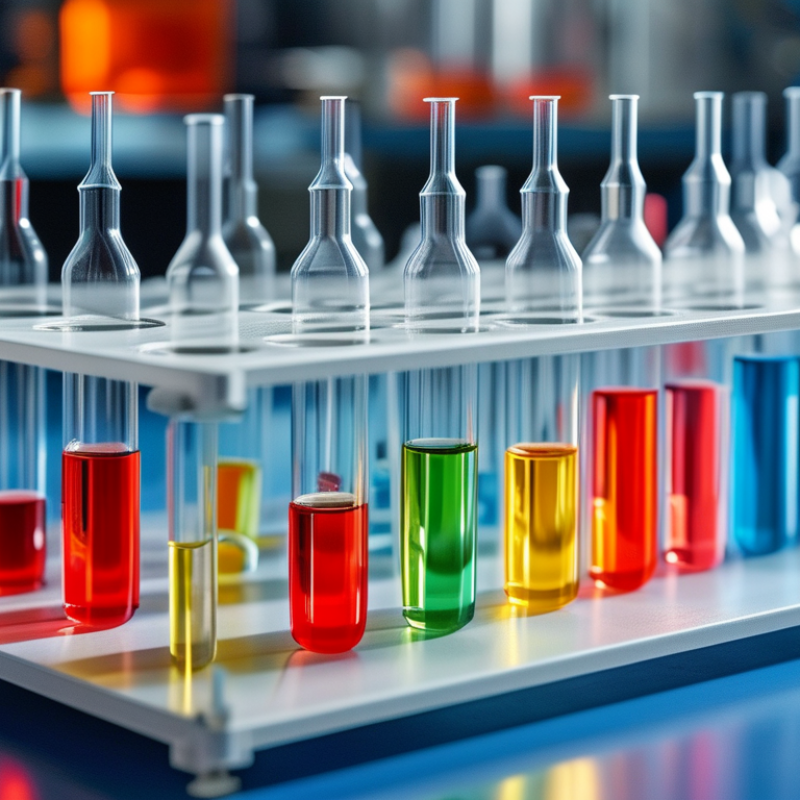
Why Do PCR Samples Evaporate During Cycles Explained

Understanding PCR and Its Process

Polymerase Chain Reaction (PCR) is a vital technique in molecular biology. It amplifies specific DNA sequences, making them easier to study. However, a common issue during PCR is the evaporation of samples. This can affect the efficiency of the reaction. Understanding why this happens is crucial for maximizing results.

Evaporation usually occurs due to temperature fluctuations within the PCR machine. Each cycle involves heating and cooling, which can create conditions conducive to sample loss. The reaction tubes are designed to minimize evaporation, but their efficiency varies. Researchers must monitor these factors closely. Using carefully designed sealants and optimizing volume can help mitigate this issue.

Even experienced practitioners can face challenges. Not every run goes as planned. It’s essential to reflect on previous experiments. Assessing protocols and environment can provide insights. By understanding these dynamics, one can improve the reliability of PCR results. Consistent attention to detail is key in obtaining accurate and reproducible findings.

The Role of Temperature in PCR Cycles

During PCR cycles, temperature plays a crucial role in the evaporation of samples. Each phase of the cycle—denaturation, annealing, and extension—requires precise temperature control. High temperatures can lead to water loss in samples, impacting reactions. When the denaturation step occurs at high temperatures, the solution is vulnerable to evaporation, particularly in open or poorly sealed tubes.

Inadequate sealing of PCR tubes can exacerbate this issue. Users often overlook the importance of ensuring a tight seal. This oversight can lead to variability in results. Even slight fluctuations in volume can affect the efficiency of DNA amplification. It’s essential to monitor not just the temperature settings but also how samples are stored prior to testing.

Additionally, different sample volumes may respond differently to temperature changes. Researchers should adjust protocols based on their specific conditions. Creating a tighter lid or using oil overlays may help. Still, even with precautions, some evaporation can occur, prompting further reflection on methodology. Understanding the interplay between temperature and sample evaporation is vital for optimizing PCR processes.

Factors Contributing to Sample Evaporation

Sample evaporation during PCR cycles is a significant issue that can hinder experimental accuracy. Studies indicate that roughly 20% of samples may evaporate during thermal cycling if not properly managed. This loss impacts both the concentration and integrity of nucleic acids, leading to reduced amplification efficiency.

Several factors contribute to this phenomenon. The high temperatures used during denaturation phases can accelerate evaporation rates. Additionally, the container design plays a critical role. Standard tubes often lack features to minimize surface area exposure. Research shows that using low evaporation lids can reduce sample loss by up to 50%.

Environmental conditions also affect evaporation. High ambient temperatures and low humidity can exacerbate the issue, especially in lab settings. Implementing a controlled environment can help mitigate these effects. Moreover, the volume of the sample matters; smaller volumes are more susceptible to evaporation. Understanding these factors is crucial for improving the reliability of PCR results.

Factors Contributing to Sample Evaporation in PCR

Factor Description Impact Level
Temperature Higher temperatures increase evaporation rates of samples in PCR tubes. High
Humidity Low humidity levels can contribute to sample evaporation. Medium
Sample Volume Smaller sample volumes are more prone to evaporation. High
Cycling Duration Longer cycling times can increase evaporation opportunities. Medium
Seal Integrity Poorly sealed tubes allow for greater evaporation rates. High

Minimizing Evaporation in PCR Protocols

Evaporation during PCR cycles can significantly impact the accuracy of results. When samples evaporate, this can alter the concentration of reagents. A study published in the Journal of Molecular Diagnostics found that evaporation can lead to as much as a 10% loss of target DNA concentration over a 40-cycle PCR run. Thus, minimizing evaporation is crucial for reliable outcomes.

One effective method to reduce evaporation is using PCR plates with a low-profile design. These plates minimize airspace and decrease the risk of evaporation. Furthermore, adding a mineral oil layer on top of the sample can create a barrier, preventing moisture loss. The American Society for Microbiology highlights that using these methods can help maintain sample integrity throughout the amplification process.

Adequate sealing of reaction tubes is another essential factor. Poor sealing can increase the rate of evaporation. Data shows that using high-quality sealing films can reduce evaporation by up to 90% compared to unsealed reactions. It's essential to evaluate existing methods critically. Every lab should consider refining their protocols to address these concerns for enhanced reproducibility and accuracy.

Impact of Evaporation on PCR Results

Evaporation during PCR cycles can significantly impact the accuracy of results. When samples evaporate, the concentrations of reactants change. This variation can lead to inconsistencies in amplification. Studies show that even a 2% decrease in volume can reduce reaction efficiency by over 30%. This inefficiency can obscure detection of target DNA.

Maintaining optimal reaction conditions is crucial. Fast thermal cycling increases the risk of evaporation. Using high-quality sealing methods can mitigate this issue. A proper seal can decrease evaporation rates by up to 80%. Consider using specific plate designs that are less prone to evaporation during heating.

Regular calibration of equipment ensures precision. Inconsistent temperature across the block can result in uneven sample conditions. Moreover, frequently check for wear and tear on sealing caps. This attention to detail can prevent unnecessary sample loss. A simple adjustment in methodology can greatly improve PCR reliability while saving time and resources.

Impact of Evaporation on PCR Results

This chart illustrates the impact of evaporation on PCR sample volume across five cycles. As the number of cycles increases, the volume of the PCR samples decreases due to evaporation, which can adversely affect the accuracy and reliability of PCR results.

FAQS

: What causes sample evaporation during PCR cycles?

: High temperatures during denaturation phases accelerate evaporation rates.

How much sample can evaporate if not managed properly?

Approximately 20% of samples may evaporate, impacting accuracy significantly.

What container features help reduce evaporation?

Low evaporation lids can decrease sample loss by up to 50%.

How do environmental conditions affect evaporation?

High temperatures and low humidity increase evaporation rates in labs.

Why is sample volume important for evaporation?

Smaller volumes are more vulnerable to evaporation, affecting results.

How does evaporation impact PCR accuracy?

A 2% decrease in sample volume can lead to over 30% reduction in efficiency.

What sealing methods can improve PCR reliability?

High-quality seals can cut evaporation rates by up to 80%, enhancing results.

Why is equipment calibration essential?

Regular calibration ensures consistent temperatures, preventing uneven sample conditions.

What should be monitored on sealing caps?

Check for wear and tear to avoid unnecessary sample loss.

Can simple adjustments in methodology help?

Yes, they can improve reliability and conserve time and resources.

Conclusion

The article "Why Do PCR Samples Evaporate During Cycles" delves into the intricacies of the Polymerase Chain Reaction (PCR), highlighting its fundamental processes and the critical role of temperature during the cycles. It explores various factors that contribute to sample evaporation, including temperature fluctuations and the duration of each cycle.

Additionally, the article provides insights on minimizing evaporation in PCR protocols, emphasizing strategies such as the use of sealing films and controlled environment settings. The impact of evaporation on PCR results is also discussed, as even minor losses can significantly affect the accuracy and reliability of the outcomes. Understanding these dynamics is essential for optimizing PCR procedures and ensuring successful experimental results.

Ethan

Ethan

Ethan is a seasoned marketing professional with a deep expertise in our company's innovative product line. With a passion for sharing knowledge and insights, he takes the lead in regularly updating our corporate blog, where he explores industry trends, product features, and effective marketing......