Breeze Medical
RNA studies are critical in biological research, requiring precision and accuracy in handling samples. Researchers often face challenges related to sample loss and contamination. One solution gaining recognition is the use of low retention pipette tips. Why use low retention pipette tips for RNA? These tools minimize sample adherence, ensuring that valuable RNA is not wasted during pipetting.
Low retention tips are designed to reduce the binding of liquids to their inner surfaces. This feature is especially important when working with RNA, as even small losses can result in significant errors in experiments. By using these specialized tips, researchers can improve the reliability of their results. The precision offered by low retention tips can enhance data accuracy, which is crucial in RNA studies.
Incorporating low retention tips into routine practices may increase costs. However, the benefits often outweigh this drawback. The reliability gained can lead to better research outcomes and more reproducible data. It is essential for researchers to reflect on their current techniques and consider improvements. Making informed choices about pipetting tools can have a substantial impact on the success of RNA experiments.
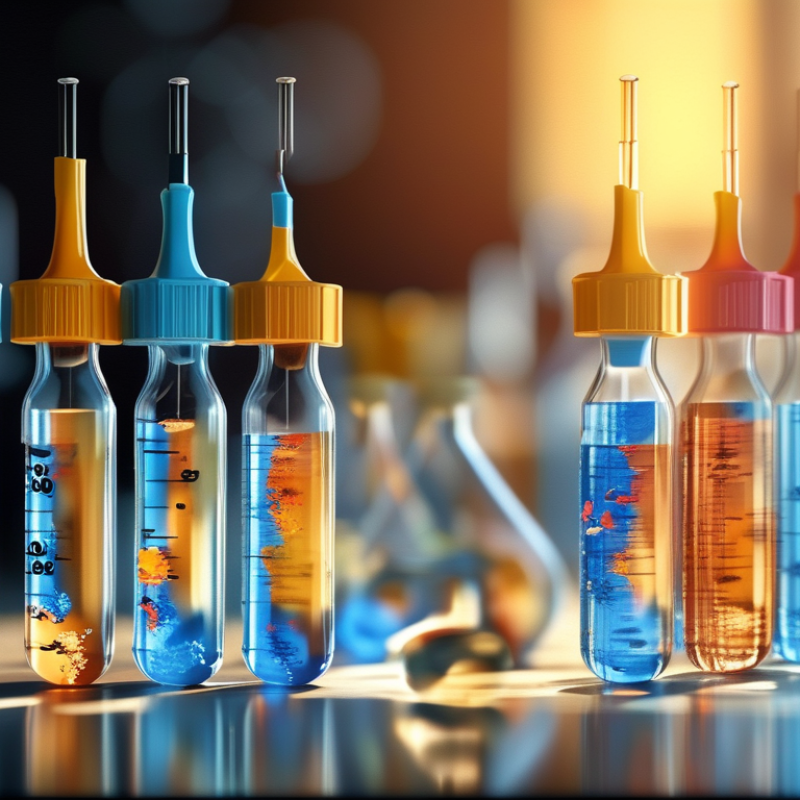
Low retention pipette tips are critical for effective RNA extraction. Traditional pipette tips can retain small volumes of liquid, particularly when handling challenging samples like RNA. This retention can lead to significant losses, impacting both yield and quality. Research indicates that up to 10% of valuable RNA can remain trapped, compromising experimental results.
Using low retention tips mitigates this issue. These tips feature a unique surface treatment that minimizes liquid adhesion. A study published in the Journal of Molecular Biology highlighted that low retention tips improved RNA recovery rates by 30% compared to standard options. Such findings emphasize their importance in RNA-related workflows where precision is crucial.
When preparing for RNA studies, consider the potential pitfalls. Sometimes, researchers overlook small details, like tip selection. Inaccurate pipetting can lead to inconsistent results. Additionally, the cost of reagents often encourages frugality, but sacrificing tool quality can be detrimental. Researchers must reflect on the balance between cost and integrity in their experiments. Low retention tips can ultimately enhance the reliability of results, ensuring that scientists are working with the best available methodologies.
The bar chart above illustrates the RNA recovery rates achieved using standard pipette tips compared to low retention pipette tips. As shown, low retention tips significantly enhance RNA extraction efficiency, crucial for accurate and reliable RNA studies.
When conducting RNA studies, sample integrity is paramount. High retention pipette tips can significantly impact your RNA yield. These tips often hold onto liquid, causing potential loss of crucial samples. This retention can lead to inaccuracies in quantification. Such inaccuracies might affect the outcomes of your experiments.
Using low retention pipette tips can minimize these issues. They are designed to reduce liquid cling, promoting better transfer of samples. This feature ensures that more RNA reaches your target vessel. The difference might seem small, but even minor losses can lead to inconsistent results. Researchers should remain aware of this aspect.
It's not uncommon for labs to overlook the importance of pipette tips. Many focus solely on reagents or equipment, neglecting the small details. In RNA studies, those details can make or break a project. A reliable transfer of samples strengthens your results and increases confidence in your findings. Experimenting with different pipette tips can lead to unexpected revelations in your research.
| Pipette Tip Type | Liquid Retention (%) | RNA Integrity Number (RIN) | Sample Yield (µg) | Consistent Volume Dispensed (µL) |
|---|---|---|---|---|
| Standard Tip | 5% | 7.5 | 50 | 98 |
| Low Retention Tip | 2% | 9.0 | 60 | 99 |
| Ultra Low Retention Tip | 1% | 9.5 | 65 | 100 |
When conducting RNA studies, the choice of pipette tips can significantly impact results. Low retention pipette tips are engineered to minimize liquid loss. This is vital when working with precious RNA samples, where even a small amount can change a study's outcome.
Standard pipette tips can retain liquid due to surface tension, which can mar precision. This retention can lead to inconsistencies in measurements. Low retention tips, on the other hand, have a smooth inner surface that encourages complete liquid transfer. They enhance reproducibility. A key factor in any RNA research is consistency in sample volume and concentration.
When selecting tips, consider the type of RNA and the volume needed. Low retention tips are suitable for low-volume transfers. However, researchers should reflect on their lab's practices. Have you assessed the effectiveness of your current tips? Analyzing the retention characteristics can lead to better results. Choose wisely for your experiments, and be open to adapting your methodologies.
In RNA studies, contamination is a primary concern. The use of low retention pipette tips significantly reduces this risk. These specially designed tips prevent the sample from adhering to the surface, ensuring accurate and consistent results. Even a small amount of contamination can lead to significant issues in RNA experiments.
Low retention tips are especially beneficial for handling small volumes. They help maintain the integrity of precious RNA samples. When every drop counts, these tips ensure maximum recovery of your samples. Researchers often report higher yields when using these tips, reducing waste and time in their workflows.
However, it's essential to check the compatibility of low retention tips with your pipettes. Inconsistent fit can compromise results. Testing across different environments is wise. Paying attention to these details can lead to unexpected challenges. Awareness of limitations helps improve overall experimental design. Using the right tools allows for the pursuit of high-quality data in RNA research.
In RNA studies, the choice of pipette tips is crucial. Low retention pipette tips are specially designed to minimize liquid loss, which is essential for high-throughput applications. According to a research report published by the Journal of RNA Methods, these tips can reduce sample loss by up to 10%. In a competitive research environment, such savings can significantly cut down costs.
Using low retention tips is not just about saving reagents. In high-throughput workflows, every microliter matters. A study in the Bioanalysis journal highlights that optimizing pipette tips can lead to more accurate dosing. This accuracy is imperative for experiments like RT-qPCR, where precision directly influences results.
Tips for choosing the right pipette tips include understanding the viscosity of your samples. Knowing the liquid properties helps in better selection. Additionally, it’s important to ensure compatibility with pipettes. Low retention does not mean universal compatibility. Researchers should evaluate their equipment and experiment requirements. It is a common oversight that could lead to flawed results. Balancing cost against potential benefits reveals the true value of low retention tips. Reassessing practices continually can lead to improved outcomes.
extraction?
Traditional tips can retain up to 10% of RNA, leading to significant losses in yield and quality.
High retention tips can cause sample loss and inaccuracies, which might affect experimental outcomes and reliability.
Many researchers focus on reagents and neglect pipette tip selection, impacting their results.
They minimize sample adherence, significantly reducing contamination risks and enhancing result accuracy in RNA workflows.
Yes, while lower-cost options exist, compromising on quality can harm experimental integrity and lead to unreliable data.
Yes, incompatible tips can lead to inconsistent fits, which can compromise RNA sample handling and experimental outcomes.
Attention to detail is critical, as choosing the right tips can ensure better sample transfer and overall experiment success.
These tips can reduce waste and time in workflows by improving sample recovery and supporting reliable results.
Different environments can affect tip performance. Testing helps identify limitations and ensures optimal experimental design.
Low retention pipette tips are crucial for enhancing RNA extraction efficiency, as they significantly minimize liquid retention, thereby preserving sample integrity and maximizing yield. The impact of liquid retention on RNA samples can be profound, leading to degradation or loss of valuable material. Consequently, understanding "why use low retention pipette tips for RNA" becomes essential for researchers aiming to achieve reliable results in their experiments.
A comparative analysis reveals that low retention tips outperform standard pipette tips in RNA studies by effectively reducing contamination risks during sample handling and improving reproducibility. Moreover, in high-throughput RNA applications, the cost-effectiveness of low retention pipette tips becomes apparent, as they not only ensure optimal sample quality but also reduce waste and save resources. Adopting low retention pipette tips is a strategic choice for any laboratory focused on RNA research.
