Breeze Medical Breeze Medical

Why Choose Low Retention Pipette Tips for RNA Applications?

Time:2026-05-09 Author:Mason
0%

When conducting RNA applications, precision is crucial. Using the right tools can significantly impact results. Why use low retention pipette tips for RNA? These specialized tips minimize liquid loss, ensuring sample integrity. High retention tips can leave behind valuable RNA, leading to skewed data.

Low retention tips feature hydrophobic surfaces. This prevents RNA from sticking to the walls. Researchers report improved accuracy with these tips. They observe higher recovery rates than traditional options. This is especially important in experiments requiring low RNA quantities.

While low retention tips are beneficial, they may not be perfect for every situation. Some scientists find them more costly, influencing lab budgets. However, the trade-off for accuracy and reliability in RNA work is often worth it. Ultimately, using low retention pipette tips can enhance research outcomes and improve confidence in results.
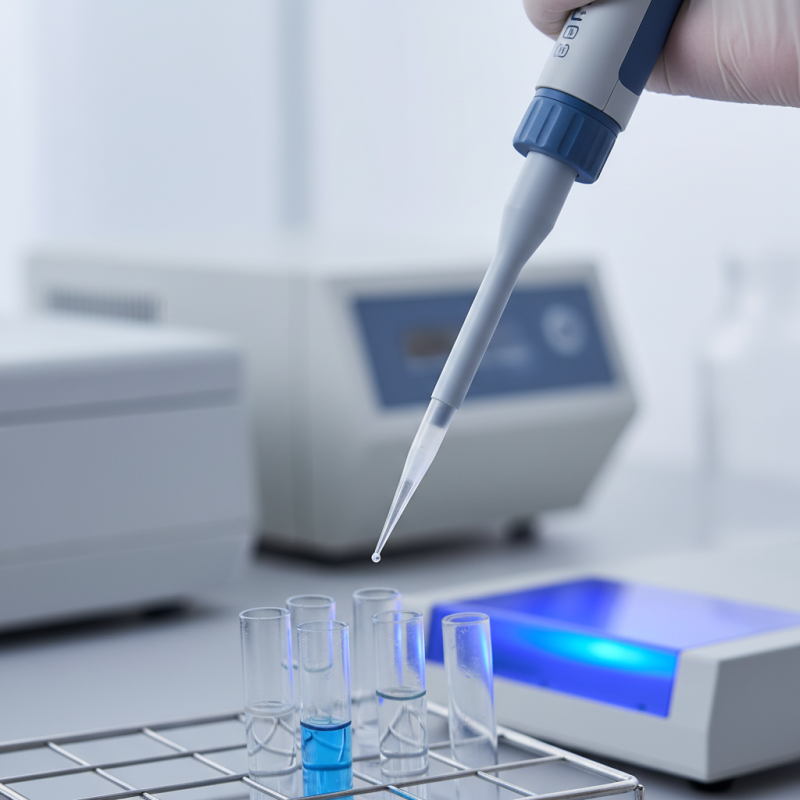
Why Choose Low Retention Pipette Tips for RNA Applications?

Importance of Pipette Tips in RNA Handling

When handling RNA, the choice of pipette tips is crucial. Low retention pipette tips are designed to minimize sample loss. This is particularly important for RNA, which is sensitive and prone to degradation. These tips reduce the adhesion of liquid to the tip's inner surface, ensuring accurate volume transfer.

Using low retention tips means you can achieve better pipetting precision. Every drop counts in RNA experiments. Traditional pipette tips can leave behind precious RNA, affecting your results. If you are using a very small volume, the need for low retention becomes even more significant.

The design of low retention tips supports consistent results. However, one must always be vigilant about proper pipetting techniques. Contamination can still occur if users are not careful. Lab protocols should be closely followed to ensure maximum reliability. Regular training and assessments can help maintain quality. A focus on using the right tools with the right methods is essential for success in RNA applications.

Understanding RNA Sensitivity to Contamination

When working with RNA, sensitivity to contamination is a critical concern. RNA molecules are delicate and easily degraded. Even slight contamination can result in inaccurate results. This is where low retention pipette tips become essential. Unlike standard tips, low retention options reduce sample loss, ensuring more reliable measurements.

Using low retention tips maximizes the recovery of RNA samples. These tips minimize adhesive forces that cause sample retention. As a result, they help maintain the integrity of the RNA. Proper handling techniques are also vital. Always use fresh tips for each sample. Avoid reusing tips to prevent cross-contamination.

It’s crucial to reevaluate your pipetting techniques. Small mistakes can lead to significant issues in RNA applications. Experiment with various tips to find what works best for your protocols. Consider testing sample recovery rates. If results vary, adjustment may be necessary. Protecting RNA from contamination is an ongoing challenge that demands attention.

RNA Sensitivity to Contamination and Pipette Tip Retention

Key Benefits of Low Retention Tips for RNA Applications

Low retention pipette tips are becoming essential for RNA applications. Researchers are constantly seeking solutions to maximize recovery rates during pipetting. According to recent studies, low retention tips can reduce sample loss by up to 50%. This feature is crucial when working with precious RNA samples, where even small losses can affect results.

Utilizing low retention tips helps ensure that minimal RNA is left on the tip after dispensing. This is especially important for qPCR and sequencing applications. A report from the International Society for Biotech states that sample purity and yield significantly influence experiment reproducibility. Utilizing low retention tips directly impacts data integrity and research outcomes.

When selecting pipette tips, it’s vital to consider their surface properties. Low retention tips have hydrophobic surfaces, which prevent sample adhesion. Researchers noted that these tips enhance transfer precision, crucial for downstream applications. While some may underestimate the importance of this detail, the consequences can be detrimental. Ensuring sample retention is non-negotiable for accurate results in critical experiments. Choosing the right tools can make a significant difference in RNA variability and reliability in research findings.

Industry Standards for Low Retention Pipette Tips Performance

In RNA applications, achieving accurate and reliable results is critical. Low retention pipette tips play an essential role in this process. These tips are specifically designed to minimize the loss of precious samples and reagents. This is particularly important when working with RNA, as even small losses can affect experiments significantly. Low retention tips often feature a special coating that reduces liquid adhesion, allowing for near-complete sample transfer.

Industry standards for low retention pipette tips focus on performance metrics like accuracy and precision. Rigorous testing ensures that these tips meet essential criteria. For instance, they must consistently deliver the specified volumes without significant variance. Additionally, manufacturers often conduct multiple rounds of testing to validate the efficacy of their products. This level of scrutiny provides users with a reliable tool to enhance their research capabilities.

Despite these standards, there are moments where results do not align with expectations. It is vital for researchers to continually reflect on their methodologies when outcomes are inconsistent. Variation in experimental conditions could also lead to unexpected results when using low retention tips. Keeping an open mind about these challenges is crucial as it promotes a culture of improvement in scientific practices.

Comparative Analysis of Retention Rates: Standard vs Low Retention Tips

In RNA applications, choosing the right pipette tips is critical. A comparative analysis of retention rates shows significant differences between standard and low retention tips. Standard tips can retain up to 10% of liquid. This retention can lead to inaccuracies in sample volumes. In contrast, low retention tips are designed to minimize this loss, achieving nearly 99% fluid transfer efficiency.

Many studies emphasize the importance of accurate measurements in RNA work. For example, a report by the National Institutes of Health highlights that even minor discrepancies can affect downstream applications like qPCR or sequencing. In RNA extraction, a small volume left in a standard tip may change results significantly. These differences can often go unnoticed, yet they pose a risk to experimental validity.

Despite the advantages, some researchers still hesitate to adopt low retention tips. The perceived cost or compatibility issues may deter them. However, re-evaluating these concerns is essential. Many labs report that the increased accuracy often justifies any extra spending. Ultimately, opting for low retention tips can enhance the reliability of RNA applications. This change could have a substantial impact on research outcomes.

FAQS

: Why are low retention pipette tips important for RN

handling?

How do low retention tips improve pipetting precision?

They reduce liquid adhesion, ensuring accurate volume transfer. Every drop of RNA matters in experiments.

What can affect results in RNA experiments despite using low retention tips?

Contamination and improper pipetting techniques can still lead to inconsistent outcomes.

What industry standards are low retention pipette tips held to?

They must ensure accuracy and precision, consistently delivering specified volumes without variance.

How do retention rates compare between standard and low retention tips?

Standard tips can retain up to 10% of liquid, while low retention tips achieve nearly 99% transfer efficiency.

What challenges might researchers face when using low retention tips?

Some may worry about costs or compatibility, which can discourage their adoption despite potential benefits.

Why is frequent reflection on methodologies important in research?

Variations in experimental conditions can lead to unexpected results, prompting a need for ongoing evaluation and improvement.

What is a common misconception about low retention tips?

Some believe they are too expensive, not weighing the increased accuracy against the costs.

How can lab training impact the use of pipette tips?

Regular training ensures proper techniques, which is vital for reliable outcomes in RNA applications.

Why is every drop important in RNA work?

Small losses can significantly alter results, impacting downstream applications like qPCR or sequencing.

Conclusion

When considering the handling of RNA, the choice of pipette tips becomes crucial due to RNA's sensitivity to contamination. This article emphasizes the importance of using low retention pipette tips for RNA applications. Why use low retention pipette tips for RNA? The answer lies in their design, which minimizes sample loss and reduces the risk of contamination, thus ensuring higher accuracy and reliability in experiments.

Low retention tips significantly outperform standard tips in retaining small volumes of liquid, making them essential for RNA work where even minor losses can impact results. Additionally, industry standards support the use of low retention tips, confirming their effectiveness in maintaining sample integrity. A comparative analysis of retention rates reveals the advantages of low retention tips, highlighting their pivotal role in achieving precise and consistent RNA handling.

Mason

Mason

Mason is a seasoned marketing professional with a deep expertise in the company's offerings and a passion for driving brand awareness. With a strong background in digital marketing strategies, he has an innate ability to connect with diverse audiences and effectively communicate product benefits.......