Breeze Medical Breeze Medical

How to Dispose of Used Medical Swabs Safely and Responsibly?

Time:2026-09-05 Author:Ethan
0%

The proper disposal of used medical swabs is crucial for public health and safety. Many people overlook the risks associated with improper disposal. However, understanding how to dispose of used medical swabs safely is essential. Medical swabs can carry infectious agents and pose a risk to sanitation workers and the environment.

To address this issue, awareness about safe disposal methods is vital. Disposing of medical swabs may seem straightforward but requires attention. Using designated biohazard containers can mitigate risks effectively. It is not just about convenience; it is about responsibility. Missteps in disposal can lead to serious consequences.

Ultimately, it is our duty to ensure that healthcare waste is handled correctly. Ignoring this task can result in unintended dangers. By educating ourselves on how to dispose of used medical swabs safely, we protect not only ourselves but also our communities. This awareness fosters a culture of safety and responsibility.
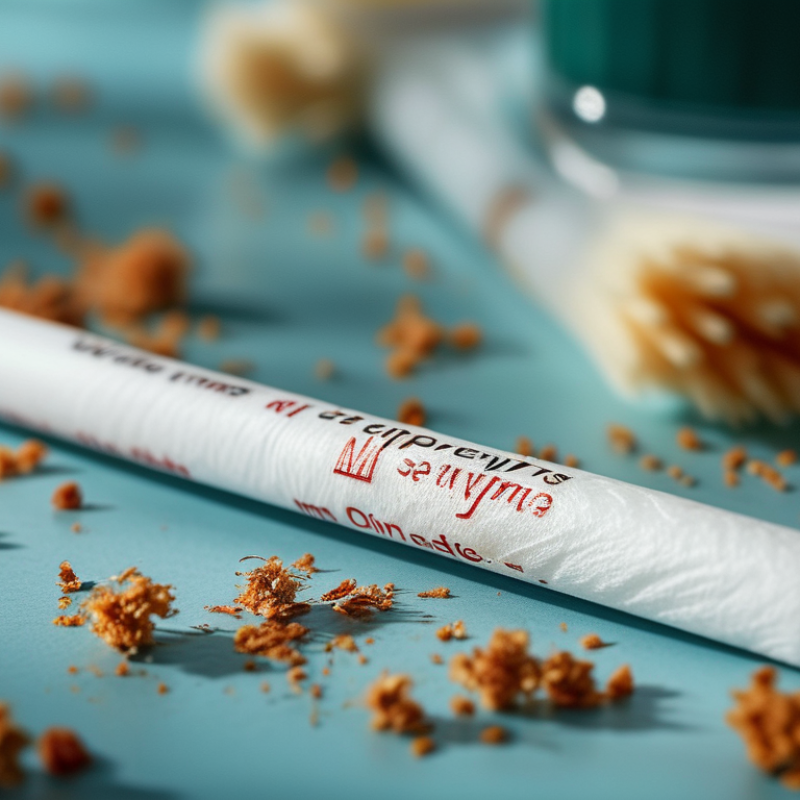
How to Dispose of Used Medical Swabs Safely and Responsibly?

Understanding the Risks of Improper Disposal of Medical Swabs

Improper disposal of medical swabs poses significant health risks. When these items are discarded irresponsibly, they can become biohazard waste. This can expose sanitation workers and the general public to harmful pathogens. For example, a used swab may carry traces of blood or other bodily fluids, potentially leading to infections. This highlights the importance of safe disposal methods.

Many people underestimate the risks of used swabs. There is often a belief that simply throwing them in the trash is sufficient. However, this can contribute to environmental pollution and public health issues. Contaminated swabs can migrate into landfills, exposing wildlife to harmful substances. Furthermore, improperly handled medical waste can lead to disease transmission, creating a risk to communities.

Being aware of these dangers is essential for responsible disposal. Individuals should seek appropriate containers for medical waste. These containers are designed to contain infectious materials securely. Professionals in healthcare settings must adhere to strict guidelines. Education and awareness about safe disposal can greatly reduce the risk of harm. Reflecting on our actions regarding waste is crucial. Everyone has a role in keeping our environment safe and healthy.

Types of Medical Swabs and Their Uses in Healthcare Settings

Medical swabs, commonly used in healthcare, come in various types. Each swab serves a specific purpose. For instance, cotton swabs are versatile tools for cleaning wounds or applying medication. They are simple but effective in many scenarios. On the other hand, sterile swabs are essential for sample collection in laboratory testing. Their sterile nature prevents contamination.

In addition to cotton and sterile swabs, there are other types that healthcare professionals frequently use. For example, viral and bacterial swabs help diagnose infections. These swabs often come in specialized packaging to ensure they remain uncontaminated until use. Understanding the different swabs and their applications is deeply important. It supports patient safety and accurate test results. Yet, the misuse of these tools can lead to unfortunate outcomes, such as infection or inaccurate diagnostics.

Awareness about proper disposal methods is crucial. Many people may not realize the risks of disposing of used medical swabs irresponsibly. Flushing them down the toilet or tossing them in regular waste can pose health hazards. This oversight demands attention and action. It's necessary to educate both healthcare providers and patients about responsible disposal practices. Implementing clear guidelines can prevent potential issues and protect public health.

Safe Collection and Storage of Used Medical Swabs

When dealing with used medical swabs, proper collection and storage are essential for safety. Start by using puncture-proof, leak-proof containers. These should be clearly labeled to indicate that they contain medical waste. Ensure the containers are easy to seal. This minimizes the risk of exposure to potential pathogens.

Avoid using regular trash bags for disposal. Instead, designate a specific area for storing these containers until they can be disposed of properly. Keep them in a cool, dry place away from children and pets. Regularly check the containers for signs of damage or leaks. This helps maintain a safe and controlled environment while waiting for proper disposal.

Reflect on your routine. It's easy to overlook safety protocols when busy. However, taking a moment to ensure everything is secure can prevent serious health risks. Remember, mishandling medical swabs can lead to contamination and infection. Prioritizing safe collection and storage is vital for everyone’s well-being.

Methods for Proper Disposal of Medical Swabs

Medical swabs are essential in various health settings. However, disposing of used swabs improperly can lead to health risks and environmental issues. Experts suggest that medical facilities should follow strict protocols for disposal. For example, the World Health Organization highlights that approximately 15% of health care waste is hazardous. This includes used medical swabs, which can harbor pathogens.

One effective method for safe disposal is incineration, which reduces waste volume and kills harmful bacteria. A report from the Environmental Protection Agency shows that incineration can achieve a destruction efficiency of over 99%. Some facilities use autoclaving, using steam under pressure to decontaminate. Proper labeling and segregating waste at the source are crucial to ensure swabs do not mix with general waste.

Despite these strategies, improper disposal still occurs. Disposing of medical swabs in regular trash poses risks, as these items can transmit diseases. The potential for environmental contamination is alarming. Authorities must address these shortcomings and educate staff on proper disposal techniques. Awareness and diligence can significantly mitigate both health risks and environmental impacts.

How to Dispose of Used Medical Swabs Safely and Responsibly? - Methods for Proper Disposal of Medical Swabs

Disposal Method Description Advantages Considerations
Incineration Burning medical swabs at high temperatures to destroy pathogens. Effective in eliminating harmful microorganisms. Requires specialized facilities; potential air pollution.
Biohazard Disposal Using designated biohazard containers for disposal. Safe for handling and transport of infectious waste. Must follow regulations for biohazard waste management.
Recycling (if applicable) Disassembling clean swabs for material recovery. Reduces landfill waste; conserves resources. Not suitable for all types of swabs; contamination risk.
Municipal Waste (Non-infectious) Disposing of swabs that are not contaminated with pathogens. Cost-effective; suitable for low-risk swabs. Do not include contaminated swabs; check local regulations.

Regulatory Guidelines and Best Practices for Disposal Procedures

Used medical swabs pose a unique challenge for safe disposal. Understanding regulatory guidelines is critical for compliance and safety. Many healthcare facilities follow strict protocols for handling biohazardous waste. This includes separating used swabs from regular trash. Swabs contaminated with bodily fluids must be placed in puncture-resistant containers. This is vital to avoid potential exposure or infection.

Proper labeling is another important aspect. Clearly mark disposal containers as biohazard waste. Regular staff training on disposal practices helps maintain safety standards. Inadequate training can lead to accidents. Everyone must understand the risks involved with improper disposal. Each used swab carries a degree of risk; hence awareness is key.

Consider local regulations that may vary by area. Some regions have specific guidelines for medical waste. Checking with local authorities can help ensure compliance. Conducting regular audits of disposal practices can improve overall safety. Evaluate what works and what doesn’t. Reflection on past practices allows for continuous improvement.

Used Medical Swabs Disposal Practices

FAQS

: What types of medical swabs are commonly used in healthcare settings?

: Common types include cotton swabs and sterile swabs, each serving specific purposes.

Why are sterile swabs important for sample collection?

Their sterile nature prevents contamination, ensuring accurate laboratory test results.

How can improper disposal of medical swabs pose health risks?

Flushing swabs can cause health hazards and spread infections. Responsible disposal is crucial.

What containers should be used for storing used medical swabs?

Use puncture-proof, leak-proof containers that are clearly labeled for medical waste.

Why is it important to regularly check storage containers for used swabs?

Regular checks prevent exposure to leaks and maintain a safe collection environment.

How can healthcare workers ensure safety in swab disposal?

Follow regulatory guidelines, label containers properly, and undergo regular training on disposal practices.

What should be done with swabs contaminated with bodily fluids?

Place them in puncture-resistant containers to minimize exposure risks.

How can regular audits improve disposal practices for medical swabs?

Audits help evaluate effectiveness, highlight gaps, and promote safe disposal methods.

What is often overlooked during busy routines related to safety protocols?

It's easy to skip safety checks, but this can lead to serious health risks.

Why is awareness about proper medical swab disposal important?

Each swab poses infection risks; understanding safe practices protects public health.

Conclusion

Proper disposal of used medical swabs is crucial to minimize health risks and environmental hazards. The article "How to Dispose of Used Medical Swabs Safely and Responsibly?" highlights the dangers associated with improper disposal, such as potential exposure to infections. It categorizes various types of medical swabs and their specific applications in healthcare, emphasizing the importance of safe collection and storage practices to prevent contamination.

To address the issue of how to dispose of used medical swabs safely, the article outlines several effective disposal methods, including incineration and the use of designated sharps containers. Additionally, it reviews regulatory guidelines and best practices that healthcare facilities should follow to ensure compliance and promote public health. By following these recommended procedures, medical professionals can responsibly manage waste and protect both individuals and the community at large.

Ethan

Ethan

Ethan is a seasoned marketing professional with a deep expertise in our company's innovative product line. With a passion for sharing knowledge and insights, he takes the lead in regularly updating our corporate blog, where he explores industry trends, product features, and effective marketing......