Breeze Medical
Accessing difficult veins can challenge even experienced healthcare professionals. In such situations, knowing how to use a tourniquet for difficult vein access is essential. A well-applied tourniquet can enhance visibility and make veins more prominent. Understanding the principles behind this technique is crucial for successful outcomes.
Tourniquet application requires care and attention. The right amount of pressure is vital. Too tight, and you risk damage to the vein; too loose, and it may not be effective. Each patient is different, making it essential to adapt your approach. Practice is invaluable, but reflection is equally important. What works for one patient might not work for another.
While this technique can improve success rates, there are caveats. Improper use or overreliance on tourniquets may lead to complications. Being aware of these risks is the first step toward mastery. Developing a keen sense of observation and a willingness to adjust your methods can enhance your skills in this area significantly.
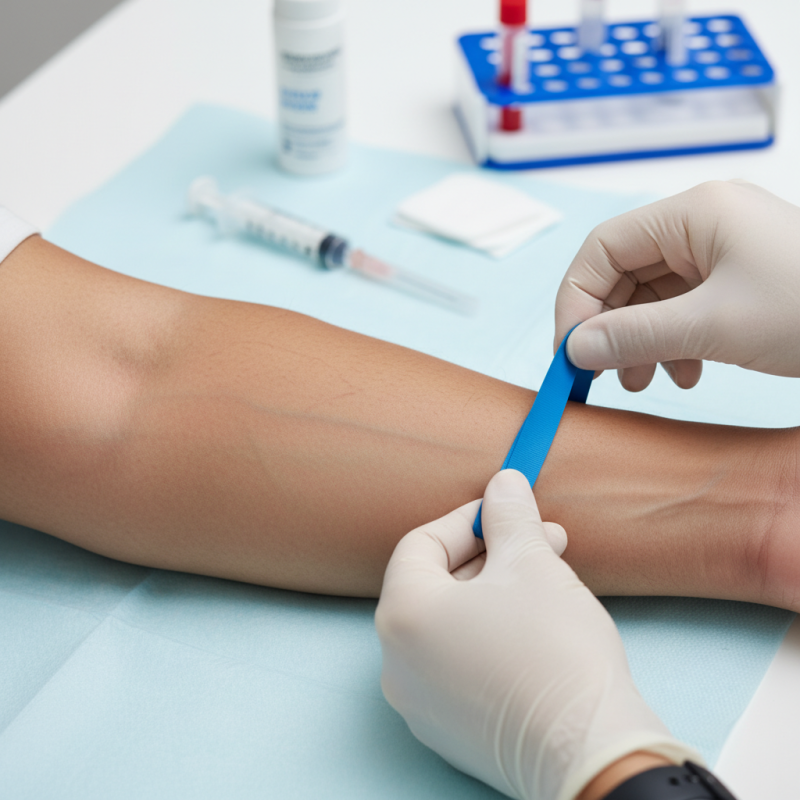
Tourniquets are essential for managing difficult veins, especially during medical procedures or emergencies. Understanding their proper use can significantly improve patient outcomes. When veins are hard to access, a tourniquet helps engorge the blood vessels, making them more visible. This is crucial for tasks such as drawing blood or starting IV therapy.
The application of a tourniquet requires practice and knowledge. Place it above the intended puncture site, but not too tightly to avoid nerve damage. Monitor the time it is in place; prolonged use can cause tissue damage. Being aware of the signs of complications is vital. If a patient complains of severe pain, adjustment may be necessary. Recognizing when to remove it is just as important as proper placement.
Utilizing a tourniquet effectively is an acquired skill. Training with experienced professionals can enhance your capabilities. Keep in mind that each patient's anatomy varies. What works for one individual may not for another. Regular practice and ongoing education will equip you to handle challenging situations. Always prioritize patient safety and comfort when using a tourniquet.
Selecting the right tourniquet is crucial for successful venipuncture, especially in patients with difficult veins. Studies show that up to 40% of patients have poorly accessible veins. In these cases, a proper tourniquet can make a significant difference. Medical professionals should consider different factors such as patient anatomy, age, and hydration levels when choosing a tourniquet.
For instance, wider tourniquets distribute pressure more evenly, reducing the risk of tissue damage. A 2021 medical report indicated that using a tourniquet too tightly can lead to complications like nerve injury or excessive bruising. Therefore, it is essential to apply moderate pressure and monitor the site closely. Lesser-known methods, like using heat or vibration, can also enhance vein visibility before tourniquet application.
Patients with obesity or edema might present unique challenges. In such situations, softer, elastic tourniquets can be more effective. Healthcare providers must remain adaptable, considering less conventional solutions based on the patient’s needs. Continuous education on new techniques and products is vital for improving overall success rates in venipuncture.
| Tip Number | Tip Description | Recommended Situations | Patient Considerations |
|---|---|---|---|
| 1 | Select a soft or elastic tourniquet for sensitive skin. | Patients with dermatological conditions. | Consider allergies to materials. |
| 2 | Use a wide tourniquet for better pressure distribution. | Patients with obesity or larger arms/legs. | Evaluate the vascularity of the limb. |
| 3 | Consider the limb position when applying the tourniquet. | Difficult venous access cases. | Assess for edema or swelling. |
| 4 | Apply the tourniquet closer to the site of venipuncture. | When accessing deep veins. | Monitor for blood flow issues. |
| 5 | Do not leave the tourniquet on for prolonged periods. | During emergency situations. | Evaluate underlying conditions. |
| 6 | Utilize a hemostatic agent if necessary. | Severe bleeding situations. | Ensure no allergies to the agent. |
| 7 | Communicate clearly with the patient. | Anxiety-prone patients. | Provide reassurance throughout the process. |
| 8 | Adjust the tourniquet tension as needed. | When veins are difficult to visualize. | Keep an eye on patient comfort. |
| 9 | Avoid tourniquet use in areas of previous injury or surgery. | Post-surgery patients. | Assess for scars or changes in skin. |
| 10 | Educate staff on proper tourniquet techniques. | Routine training and practice scenarios. | Include reviews of case studies. |
Using a tourniquet effectively can be a challenge, especially when dealing with difficult veins. Understanding proper application techniques is essential for ensuring successful venous access. When applying a tourniquet, place it around the upper arm. Ensure that it is snug but not overly tight. This helps to distend the veins, making them easier to locate. A common mistake is applying the tourniquet too loosely. This can lead to a frustrating search for a suitable vein.
Consider the positioning of the patient. A well-supported patient can make a significant difference. Elevating the arm slightly may enhance vein visibility. Do not rush the process. Take a moment to palpate the vein before inserting a needle. Finding the right angle for insertion is crucial. A common reflection is that many practitioners underestimate the importance of their approach. Practicing on various patients can improve skills and confidence.
Monitoring the tourniquet's duration is vital. Keeping it on too long can cause discomfort and complications. Aim for a maximum of one minute if possible. Always be prepared to release it if a vein cannot be accessed quickly. Adjust your technique based on feedback. Even experienced professionals occasionally struggle with venous access. Being adaptable can lead to better outcomes. Remember, mastery takes time and patience.
Assessing venous conditions before applying a tourniquet is crucial. Understanding the specific challenges posed by difficult veins can drastically improve outcomes. Start by evaluating the patient's venous anatomy. Look for prominent veins that are easier to access. Observe any signs of previous trauma or scarring. Such conditions can impact the effectiveness of a tourniquet.
Use palpation to locate suitable veins. Sometimes, veins may feel bumpy or irregular. This can signal underlying issues. It's vital to adapt your approach based on these findings. For example, if a vein is not palpable or appears tortuous, consider alternative techniques or sites. Communication with the patient also plays a role. Discussing past experiences can provide insight.
Keep in mind that not all patients react the same way. Some individuals might have veins that collapse easily under pressure. Tourniquets should be applied with care. Excessive force can lead to further complications. Always reassess the site after application. Flexibility and adaptation to each situation are key. Recognizing the limits of your equipment and skills is essential for success.
Using a tourniquet on patients with difficult veins can be challenging. Many common mistakes can complicate the process. One frequent error is placing the tourniquet too low. This can cause unnecessary discomfort and make the veins hard to find. Additionally, using excessive pressure can damage the tissue. It is essential to apply just enough tension to engorge the veins without cutting off circulation too soon.
Another mistake is not giving proper time for the veins to fill. A quick application may not allow the veins to become visible. Wait a moment after applying the tourniquet. Some practitioners rush this step, which can lead to repeated attempts. This not only frustrates the patient but may also lead to vein collapse.
Training and hands-on practice are vital. Observing experienced professionals can provide insights. Often, new users may overlook the importance of patient positioning. Elevating the arm and using gentle tapping can stimulate blood flow. These small adjustments can make a significant difference. Reflecting on what went wrong in each attempt allows for better future performance.
: Tourniquets are used to engorge blood vessels, making veins more accessible during medical procedures.
Place it above the puncture site, ensuring it is snug but not overly tight to avoid nerve damage.
It's best to limit application to one minute to prevent tissue damage and discomfort.
Patient anatomy varies; what works for one may not work for another. Assess each situation carefully.
Regular practice and training with experienced individuals enhance confidence and effectiveness when dealing with difficult veins.
Severe pain from the patient suggests that adjustments may be necessary. Always monitor for complications.
Elevating the arm slightly can enhance vein visibility and make access easier.
Assess the patient's venous anatomy and any signs of trauma or scarring that may hinder access.
Discussing previous experiences helps tailor the approach to their specific venous challenges.
Applying it too loosely often leads to difficulty finding a good vein for access.
The article "China Top 10 Tips on Using a Tourniquet for Difficult Veins" provides essential guidance for healthcare professionals dealing with challenging venous access. It begins by emphasizing the significance of tourniquets in improving visibility and accessibility of veins in patients with difficult venous conditions. Key considerations include selecting the appropriate type of tourniquet based on the specific situation and patient needs, as well as mastering the proper application techniques to avoid complications.
Additionally, the article highlights critical pre-application assessments to determine the ideal placement and pressure needed. Common mistakes to avoid are discussed to enhance the effectiveness of using a tourniquet. Overall, this comprehensive guide serves as a practical resource on how to use a tourniquet for difficult vein access, promoting better patient outcomes in challenging scenarios.
