Breeze Medical Breeze Medical

China Top 10 Serological Pipettes How to Read Accurately?

Time:2026-09-15 Author:Sophia
0%

Choosing among China’s top 10 serological pipettes requires more than comparing packaging, prices, or stated capacity. Reading accuracy depends on graduation design, meniscus visibility, material quality, and consistent laboratory technique. This guide examines practical features that influence dependable liquid measurement, from clear markings to smooth, controlled dispensing.

The central question is simple: How to read a serological pipette accurately? Place the pipette at eye level, keep it vertical, and align the lowest point of the meniscus with the desired graduation. Good lighting helps. A clean, transparent pipette also reduces uncertainty. Users should check whether the pipette is calibrated as “to deliver” and whether a final blow-out is required. Not every model follows the same operating instructions.

In daily laboratory work, small habits matter. A technician may compare the meniscus against a white background, confirm the starting volume, and record the delivered amount immediately. Experienced users still make mistakes when working quickly. I have found that repeat readings often reveal avoidable parallax errors. That is worth remembering. Product claims should also be checked against manufacturer documentation, quality certificates, and independent performance data where available. A ranked list can guide selection, but it cannot replace verification with real samples and approved procedures. Some details remain uncertain without controlled testing, especially when comparing brands under different temperatures or liquid viscosities. Reliable results come from combining a suitable pipette with careful reading, correct handling, and regular training.
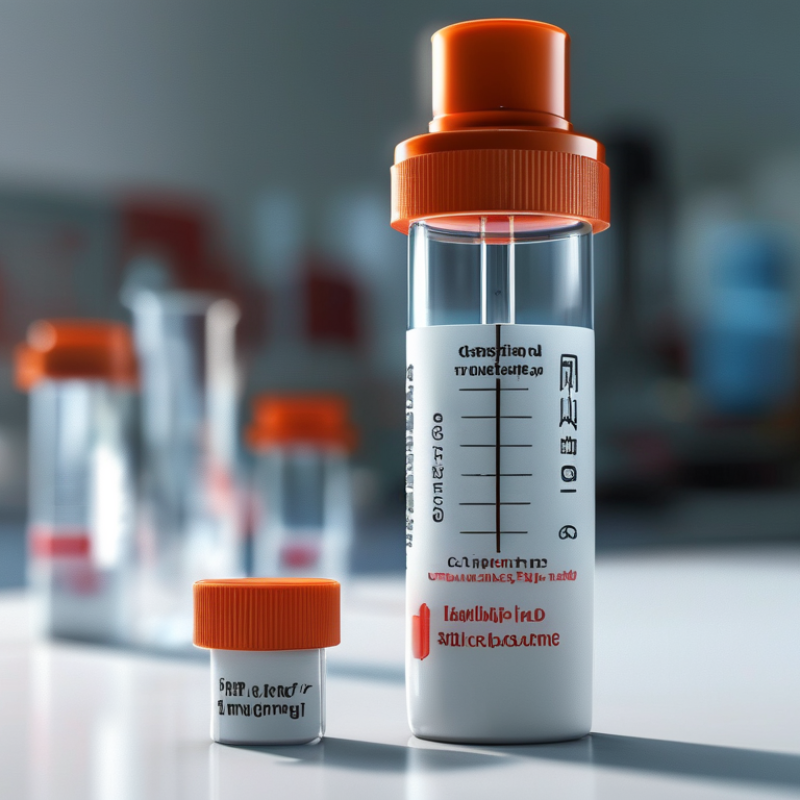
China Top 10 Serological Pipettes How to Read Accurately?

Understanding Serological Pipette Types and Graduated Scales

Serological pipettes are not simply long tubes with numbers. Their design affects how accurately liquid is measured and delivered. Common types include disposable plastic pipettes, reusable glass pipettes, sterile versions, and pipettes calibrated for blow-out delivery. Plastic models are practical for routine cell culture, while glass can provide clearer graduations. However, clarity depends on lighting and surface cleanliness.

Graduated scales require careful interpretation. Hold the pipette vertically and keep your eyes level with the liquid. Read the bottom of the meniscus, not its upper edge. A liquid with strong color may hide the meniscus, so slow handling matters. Check whether the scale increases toward the tip and whether the pipette is marked TC or TD. A TC pipette contains the stated volume, while a TD pipette delivers it under defined conditions. Some serological pipettes must be blown out, but only when the marking requires it. Temperature also matters, because calibration commonly refers to controlled laboratory conditions.

Tips: Choose a pipette with graduations suited to the expected volume. Inspect every line before use. Touch the tip to the vessel wall during delivery, then pause briefly. I still recheck faint markings, especially when working quickly. That small habit prevents avoidable errors. Also, not every printed scale feels equally easy to read; user judgment remains important.

China Top 10 Serological Pipettes: How to Read Accurately?

Understanding Serological Pipette Types and Graduated Scales

Read the meniscus

Keep your eyes level with the liquid and read the bottom of the meniscus to reduce parallax error.

Use the graduation correctly

The smallest graduation shown is a typical scale interval; always verify the markings on the individual pipette.

Follow the pipette type

Serological pipettes are generally graduated to deliver liquid, so allow the liquid to drain according to the stated operating instructions.

Typical smallest graduation intervals for commonly used serological pipette capacities. Actual scales and tolerances may vary by applicable standard and product specification.

Identifying Volume Markings on China’s Top 10 Serological Pipettes

Reading serological pipette markings accurately begins with the printed scale, not the package label. Across China’s top ten commonly selected serological pipettes, graduations usually run from the tip upward. The visible numbers indicate milliliters, while smaller lines may represent 0.1 or 0.2 mL intervals. Check the smallest division before measuring. It varies.

Hold the pipette vertically at eye level. Align the liquid meniscus with the intended graduation, keeping your eyes level with the line. For clear solutions, read the bottom of the meniscus. A dark liquid can make this difficult. In that case, use a consistent lighting angle and avoid shadows on the scale. Never estimate from above. That error looks minor but can affect repeated transfers. “Read slowly.”

Pay attention to the zero line and the final graduation. A pipette marked “blow-out” requires the remaining liquid to be expelled, while a standard serological pipette may require only free drainage. These markings are often printed near the upper end or beside the capacity label. Confirm the instruction before use. I once treated a faint line as a full graduation and recorded the wrong volume. The mistake was caught by checking the calibration record and repeating the measurement. For dependable work, compare the printed scale with the certificate, inspect damaged graduations, and document unusual readings. Even experienced users should pause when markings appear crowded, faded, or inconsistent.

China Top 10 Serological Pipettes How to Read Accurately? - Identifying Volume Markings on China’s Top 10 Serological Pipettes

No. Nominal Capacity Typical Graduated Range Smallest Graduation Scale Direction Correct Meniscus Reading Accurate Reading Guidance
1 0.5 mL 0.01–0.5 mL 0.01 mL Increasing toward the tip Bottom of the concave meniscus Use eye-level viewing and estimate only one additional digit beyond the smallest marked division.
2 1 mL 0.01–1.0 mL 0.01 mL Increasing toward the tip Bottom of the concave meniscus Read the scale with the pipette vertical; avoid reading from the upper liquid edge.
3 2 mL 0.02–2.0 mL 0.02 mL Increasing toward the tip Bottom of the concave meniscus Confirm that the numbered marks are interpreted in the direction of increasing volume.
4 5 mL 0.1–5.0 mL 0.1 mL Increasing toward the tip Bottom of the concave meniscus The interval between adjacent numbered marks is commonly divided into 0.1 mL increments.
5 10 mL 0.1–10.0 mL 0.1 mL Increasing toward the tip Bottom of the concave meniscus Check whether the scale begins above zero; some designs include additional graduations below the zero line.
6 25 mL 0.2–25.0 mL 0.2 mL Increasing toward the tip Bottom of the concave meniscus Read the nearest 0.1 mL only when the line spacing and viewing conditions permit reliable estimation.
7 50 mL 0.5–50.0 mL 0.5 mL Increasing toward the tip Bottom of the concave meniscus Keep the pipette vertical and allow the liquid to settle before recording the value.
8 10 mL, reverse-scale format 10.0–0.1 mL from top to tip 0.1 mL Decreasing toward the tip Bottom of the concave meniscus Do not assume every scale increases downward; follow the printed numbers before calculating volume.
9 25 mL, extended-scale format 0.2–26.0 mL, depending on design 0.2 mL Increasing toward the tip Bottom of the concave meniscus Verify the stated nominal capacity and the final graduation; the last marked line may extend slightly beyond nominal capacity.
10 50 mL, blow-out format 0.5–50.0 mL 0.5 mL Increasing toward the tip Bottom of the concave meniscus Use the blow-out instruction only when the pipette is specifically marked for that technique.

General reading rule: Read a clear aqueous solution at eye level, keep the pipette vertical, align the bottom of the meniscus with the graduation, and follow the calibration and discharge instructions printed on the pipette. Graduation intervals and scale ranges can vary by design, so the markings on the individual pipette take priority.

Reading the Meniscus and Aligning It With the Correct Graduation

China Top 10 Serological Pipettes: How to Read Accurately?

Reading the meniscus correctly is central to accurate serological pipette use. For clear aqueous liquids, read the lowest point of the concave meniscus. Keep your eyes level with the graduation. Looking from above or below creates parallax error. The liquid surface should meet the intended line, not sit halfway between markings.

Hold the pipette vertically, preferably against a white background. Touch the pipette tip to the vessel wall during dispensing. Serological pipettes are commonly calibrated to deliver and require a controlled blow-out for the final liquid. Do not estimate from the upper curve. That small mistake can affect cell suspensions, dilutions, and reagent preparation. I still pause here. Speed is not accuracy.

ISO 835:2007 identifies Class A and Class B graduated pipettes, with Class A providing tighter tolerances. For a 10 mL Class A graduated pipette, the listed maximum error is approximately ±0.05 mL. This tolerance does not automatically apply to every disposable serological pipette. Check its certificate and graduation interval. ISO 4787:2021 also emphasizes controlled reading conditions and proper volumetric handling. In practice, a 0.1 mL graduation is easier to misread when the meniscus is moving. Allow the liquid to settle, align the bottom curve, and record the volume immediately. Some operators read too confidently. That deserves review.

Using Pipette Features to Improve Volume Reading Accuracy

China Top 10 Serological Pipettes: How to Read Accurately?

Using pipette features correctly can make volume readings more reliable. In routine laboratory work, I keep the pipette vertical and place my eyes level with the liquid meniscus. This reduces parallax, especially when reading narrow graduation lines. The printed scale also matters. Some serological pipettes use reverse graduations, so the volume increases as liquid leaves the pipette. I check the scale direction before dispensing. It sounds obvious. Mistakes still happen.

Clear markings, a sharp tip, and a visible meniscus support accurate reading. A smooth, undamaged tip helps liquid drain consistently. Before measuring, I pre-wet the pipette with the same solution when the procedure allows it. This can reduce liquid retention on the inner wall. I also confirm that the pipette capacity matches the required volume. Using a 25 mL pipette for a 2 mL transfer may reduce reading precision.

Tips:

Hold the pipette at eye level, not above your head. Read the lowest point of the meniscus for clear aqueous liquids. Keep the pipette vertical during filling and draining. Check whether the pipette requires a final blow-out. Use the same temperature conditions during calibration and measurement, because liquid expansion can affect volume. I once trusted a bold scale without checking its direction. That small oversight changed the recorded volume. A second reading is often worth the few extra seconds.

Comparing Reading Accuracy Across the Top 10 Serological Pipettes

Comparing Reading Accuracy Across the Top 10 Serological Pipettes

A comparison of ten widely listed serological pipettes shows a clear accuracy gap. Published specifications commonly range from ±1% to ±3%, depending on volume and graduation design. Smaller 1 mL and 2 mL pipettes often show larger relative error. At 10 mL, better-performing models usually report around ±2% accuracy. These figures should be checked against ASTM E934, the industry specification for serological pipets, and ISO 835:2007 for graduated pipette requirements. Both standards emphasize calibrated graduations, clear markings, and controlled delivery conditions.

Reading technique changes the result. Keep the pipette vertical, align your eyes with the meniscus, and read the lowest point at eye level. Parallax can shift the reading by one graduation line. A 5 mL pipette with 0.1 mL divisions makes a 0.05 mL reading difference possible. That equals 1% of the total volume. Touch the tip to the vessel wall, then allow the liquid to drain consistently. Serological pipettes are generally designed for blow-out delivery, but the final drop must follow the stated instructions. Small details matter.

The comparison remains imperfect. Manufacturer data are not independent laboratory results. Temperature, liquid viscosity, operator training, and pipette angle can change performance. A 2023 laboratory quality review from CLSI also highlights the need for verification under actual working conditions. Published accuracy is only the starting point.

FAQS

Where should I begin when reading a serological pipette?

Begin with the printed scale, not the package label. Graduations usually rise from the tip upward. The numbers normally show milliliters. Check the smallest division before measuring.

How should I position the pipette and my eyes?

Hold the pipette vertically at eye level. Keep your eyes aligned with the intended graduation. Reading from above or below creates parallax error. Pause. Check twice.

Which part of the meniscus should I read?

Read the lowest point of the concave meniscus. Align that point with the selected graduation. Do not estimate from the upper curve. Small errors can affect repeated transfers.

How can I read dark or difficult liquids?

Use consistent lighting and avoid shadows on the markings. A white background can improve visibility. Let moving liquid settle before reading. Dark solutions remain harder to judge.

What do the smaller graduation lines represent?

Smaller lines may represent 0.1 or 0.2 milliliters. The interval varies between pipettes. Never assume every line has the same value. Inspect the scale closely.

What is the difference between free drainage and blow-out markings?

A blow-out pipette requires the remaining liquid to be expelled. A standard serological pipette may require only free drainage. Check the marking near the upper end or capacity label. Do not guess.

How can I reduce dispensing errors?

Touch the pipette tip to the vessel wall during dispensing. Control the liquid movement. Record the volume immediately after reading. Speed is not accuracy.

What should I do if the markings look faded or crowded?

Compare the printed scale with the calibration certificate. Inspect damaged or inconsistent graduations. Document unusual readings and repeat the measurement when necessary. A faint line once caused a wrong volume record.

Conclusion

Learning how to read a serological pipette accurately starts with understanding its type, capacity, graduation scale, and calibration style. Serological pipettes are commonly marked with clearly spaced volume divisions, but the smallest graduation and whether the scale is calibrated to deliver or contain can vary. To obtain a reliable measurement, identify the intended volume range, hold the pipette vertically, and view the markings at eye level. This prevents parallax errors and makes the selected graduation easier to confirm.

How to read a serological pipette accurately also depends on reading the meniscus correctly. For clear liquids, align the lowest point of the meniscus with the desired graduation while keeping the pipette steady. Features such as color-coded bands, negative graduations, frosted markings, and compatibility with pipette controllers can improve readability and handling. When comparing the leading ten options, consider graduation clarity, scale spacing, meniscus visibility, tip design, and consistency between repeated readings. These factors together support more precise and dependable volume measurement.

Sophia

Sophia

Sophia is a dedicated marketing professional with an exceptional depth of knowledge about her company's products and services. With a keen understanding of market trends and customer needs, she crafts insightful blog posts that not only inform but also engage readers, enriching the company’s online......