Breeze Medical Breeze Medical

2026 Best Tips for Storing Petri Dishes in an Incubator How?

Time:2026-05-03 Author:Oliver
0%

Storing petri dishes in an incubator can seem straightforward. However, proper methods can significantly impact your experiment's success. Knowing how to store petri dishes in an incubator is essential for maintaining culture integrity. A well-organized approach ensures accuracy in your results.

Consider the position of cada dish within the incubator. Spacing is crucial; overcrowding can lead to uneven temperatures. Use labeled containers to avoid confusion. This step enhances your workflow and reduces the risk of contamination. Regular checks on your incubator settings can reveal hidden issues. Adjustments may be necessary for optimal storage conditions.

Many researchers overlook simple steps, leading to dissatisfaction. Reflecting on past experiences can offer valuable insights. Be mindful of humidity levels and air circulation within the incubator. Identifying these factors can improve your experimental outcomes. Storing petri dishes effectively requires care, attention, and a willingness to adapt your methods as needed.
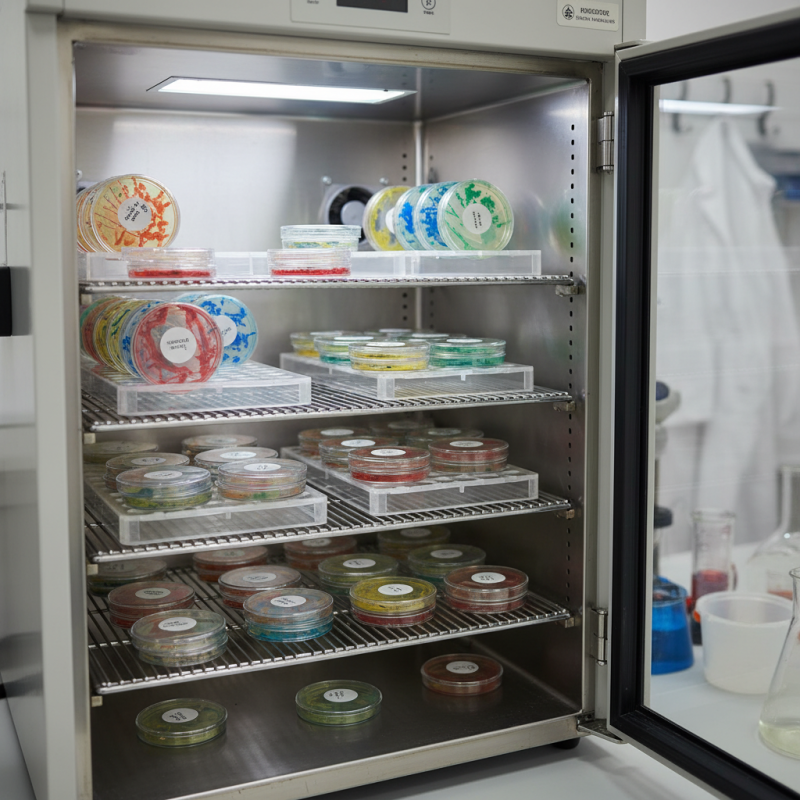
2026 Best Tips for Storing Petri Dishes in an Incubator How?

Best Practices for Preparing Petri Dishes for Incubator Storage

Preparing Petri dishes for incubator storage requires careful attention to detail. Ensure that dishes are sterilized properly before storage. Research shows that 70% of contamination issues stem from improper handling. Use sterile gloves when preparing dishes to minimize exposure to harmful microbes. This simple step enhances the reliability of your experiments.

Label each Petri dish clearly. Use a waterproof marker for clear visibility. Accurate labeling helps in tracking samples, reducing confusion during experiments. A well-organized system can save researchers valuable time. According to studies, mislabeling is a leading cause of sample loss, impacting results significantly.

Proper sealing of Petri dishes is crucial. Use parafilm or adhesive film to cover each dish securely. This prevents moisture loss and contamination. However, be mindful that excessive sealing can lead to anaerobic conditions, affecting some cultures negatively. Review your techniques regularly to ensure they match best practices in the industry. Regular reflection on these methods fosters continuous improvement in laboratory operations.

Optimal Incubator Temperature and Humidity Settings for Petri Dishes

Maintaining the right temperature and humidity in an incubator for Petri dishes is crucial for successful microbial culture. The optimal temperature is usually around 37 degrees Celsius. This mimics the body temperature of many human pathogens. However, slight variations may be necessary depending on your specific samples. Monitoring the temperature closely is vital; fluctuations can lead to inconsistent results.

Humidity levels should be kept at around 60 to 70 percent. This range helps prevent the evaporation of media in the Petri dishes. Too low humidity can dry out the cultures, while too high can promote contamination. Using a hygrometer can ensure accurate readings. Adjusting settings based on ongoing observations can be beneficial. Regular checks can highlight unexpected changes in humidity.

In practice, achieving these settings can be challenging. Incubators might have hotspots or inconsistent airflow. Regular calibration and maintenance are necessary to ensure reliability. Keeping a log of your settings can help identify trends over time. In some cases, the desired results may take longer to achieve. Embracing these challenges can lead to improved techniques and insights into your culturing processes.

Effective Organization Systems for Petri Dish Storage in Incubators

Organizing petri dishes in incubators is crucial for efficient laboratory workflows. Proper storage ensures optimal conditions for microbial growth and reduces the risk of contamination. According to a study by the American Society for Microbiology, nearly 30% of sample contamination arises from poor storage practices. So, implementing a systematic organization can significantly enhance experimental reliability.

Creating a designated storage area within the incubator can help. Use labeled shelves or bins to categorize dishes by type or date of preparation. This method allows quick access to samples when needed. In a survey of laboratory technicians, 76% reported that structured storage directly improved their workflow efficiency. Arrange petri dishes so that air circulation is not obstructed, preventing condensation build-up.

It is also important to regularly review and update storage systems. Outdated methods can lead to chaos. Consider using color-coded labels or digital tracking systems for enhanced clarity. However, not all laboratories have the resources for high-tech solutions. In these cases, simple handwriting can suffice but may require more frequent checks for accuracy. Reflecting on these practices can lead to better outcomes but requires commitment and consistency from lab personnel.

Storage Efficiency of Petri Dishes in Incubators

This chart represents the efficiency of different organization systems for storing Petri dishes in incubators, focusing on accessibility and space utilization.

Handling and Care Tips for Petri Dishes During Incubator Use

When working with Petri dishes in an incubator, proper handling is crucial. Always wash your hands before touching the dishes. Use sterile gloves to prevent contamination. It’s easy to overlook these steps, but they are essential for reliable results. Keep the incubator door closed as much as possible to maintain a steady temperature. Opening it frequently can disrupt the environment.

Label each Petri dish clearly. This helps track experiments and avoids confusion. It may feel tedious, but clear documentation is key to maintaining accuracy. Store the dishes upright and avoid stacking them. Stacking can cause plates to stick together and compact the media, which can affect microbial growth. Ensure that the incubator’s shelves are stable and free from spills.

The temperature and humidity settings matter too. Slight variations can impact your experiments. Sometimes incubators can malfunction, so monitor them regularly. This might seem annoying, but it ensures reliability in your results. Don't neglect to inspect your Petri dishes before use. Any signs of contamination should raise a red flag, necessitating a reevaluation of your process.

Monitoring and Maintenance of Incubator Conditions for Petri Dishes

Maintaining proper incubator conditions is vital for the optimal storage of Petri dishes. Temperature variations can significantly impact microbial growth. Industry reports indicate that maintaining a consistent temperature between 25°C and 37°C is essential for most cultures. Regular checks are necessary. A digital thermometer can provide accurate readings. Ensure that the incubator is calibrated correctly. Fluctuations can lead to unreliable results.

Humidity levels in the incubator also require monitoring. High humidity might promote unwanted contamination, while low humidity can dry out the media. Aim for a relative humidity between 50% and 70%. Use hygrometers to track these levels. Monitoring can prevent wasted experiments and enhance reproducibility.

Here are some tips for effective maintenance:
- Perform daily temperature and humidity checks.
- Clean the incubator weekly to prevent contamination.
- Use clear labeling on Petri dishes to avoid confusion.

These practices help ensure microbial viability. Keeping detailed records of environmental conditions is beneficial for troubleshooting any unforeseen issues.

FAQS

: How should Petri dishes be prepared for incubator storage?

: Petri dishes need to be sterilized carefully. Use sterile gloves to limit microbe exposure.

Why is labeling important for Petri dishes?

Clear labeling helps track samples. It reduces confusion and avoids sample loss during experiments.

What sealing method is recommended for Petri dishes?

Use parafilm or adhesive film. It secures the dish and prevents contamination, though be cautious of excessive sealing.

How can incubator temperature affect Petri dish experiments?

Temperature variations can disrupt microbial growth. Aim for a stable range of 25°C to 37°C for optimal results.

What humidity level should be maintained in the incubator?

Keep humidity between 50% and 70%. Both high and low levels can negatively affect the media and growth.

What are some maintenance tips for incubators?

Check temperature and humidity daily. Clean the incubator weekly to reduce contamination risks.

What can happen if Petri dishes are improperly handled?

Improper handling can lead to contamination. This is a leading cause of failed experiments.

How often should incubator conditions be monitored?

Regular checks are crucial. Daily monitoring prevents unpredictable results and ensures consistency in experiments.

Why is it important to review techniques regularly?

Regular reviews foster continuous improvement. Reflecting on methods enhances laboratory practice reliability.

What should be done if issues arise during experiments?

Keeping detailed records assists in troubleshooting unforeseen problems. This helps identify areas for improvement.

Conclusion

Storing petri dishes in an incubator requires careful preparation and organization to ensure optimal conditions for microbial growth. To effectively manage petri dishes, it's essential to prepare them properly before incubation, which involves sterilization and ensuring that the media is evenly distributed. When asking how to store petri dishes in an incubator, maintaining the right temperature and humidity settings is crucial, as this greatly affects the viability of the cultures.

Additionally, organizing petri dishes within the incubator can improve accessibility and monitoring. Using clear labeling and designated shelving can streamline this process. Finally, handling and caring for petri dishes during use is vital; this includes using aseptic techniques to avoid contamination and regularly checking incubator conditions to maintain appropriate climate settings. By adhering to these best practices, researchers can enhance the effectiveness of petri dish storage and the reliability of their experimental results.

Oliver

Oliver

Oliver is a seasoned marketing professional with a wealth of expertise in driving brand awareness and engagement. With a deep understanding of our company's product offerings, he consistently delivers high-quality content that enriches our professional blog. His insights not only shed light on......