Breeze Medical Breeze Medical

2026 Top U Bottom vs V Bottom Plates Which is Better?

Time:2026-05-25 Author:Isabella
0%

When it comes to choosing between U-bottom and V-bottom plates, many wonder, "What is the difference between U-bottom and V-bottom plates?" John Smith, a structural engineering expert with over 20 years of experience in the field, highlights, "Understanding the nuances of these designs is crucial for effective application."

U-bottom plates feature a broad base and a uniform curve, which can provide stability in certain applications. This design is often preferred for its ease of manufacturing and robust support. On the other hand, V-bottom plates boast a sharper angle, creating a more streamlined profile. This design is often associated with higher load-bearing capacities in specific conditions.

Yet, what truly determines the right choice? It often boils down to the context of use. Some professionals may find themselves swayed by personal preference or past experiences. Ultimately, the choice between U-bottom and V-bottom plates can impact structural integrity and overall performance. Flaws in decision-making can lead to challenges; thus, further consideration is vital.
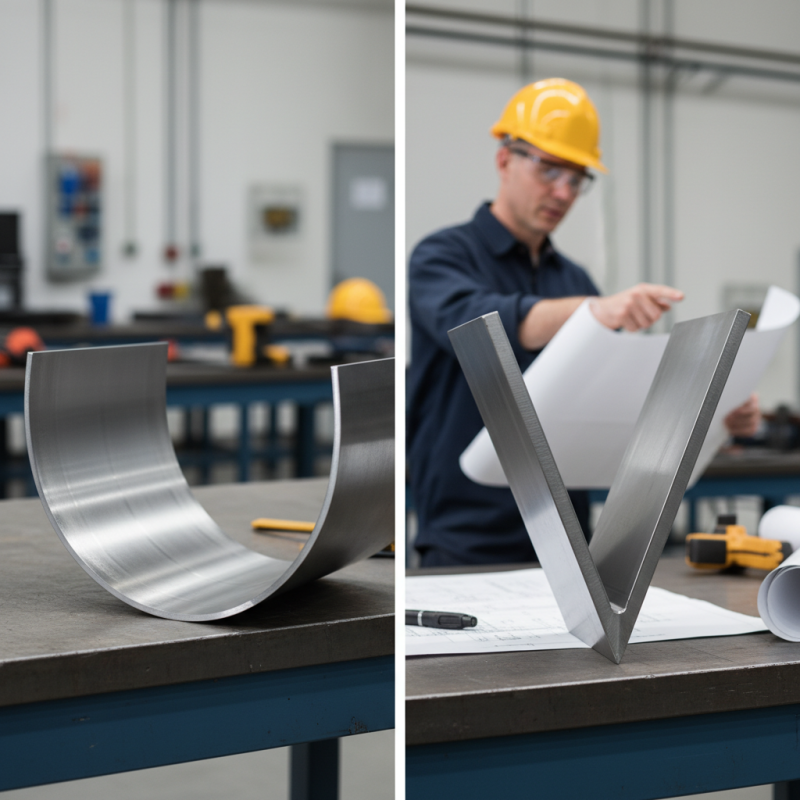
2026 Top U Bottom vs V Bottom Plates Which is Better?

2026 Overview of Top U Bottom and V Bottom Plates

When discussing the advantages of Top U Bottom and V Bottom plates, it's essential to delve into their unique characteristics. Top U Bottom plates provide a sturdy support structure. Their design allows for efficient load distribution, reducing stress on the underlying framework. Many professionals appreciate this feature for its reliability. The ease of installation is another significant benefit. With straightforward designs, they often require less time and labor to set up.

In contrast, V Bottom plates are renowned for their flexibility. The V-shape provides excellent resistance against lateral forces. This characteristic makes them particularly useful in seismic-prone areas. However, some might find that V Bottom plates require more intricate installation processes. The precision needed can lead to longer project timelines. It’s not uncommon for teams to encounter hurdles during installation, necessitating adjustments.

Both options have their own merits. Top U Bottom plates often win the favor of those prioritizing simplicity. Meanwhile, V Bottom plates excel in environments demanding robust performance. The choice between them ultimately rests on the specific needs of the project. Sometimes, personal preferences shape these decisions as much as technical specifications do. Scrutinizing each type's benefits and drawbacks may lead to a more informed choice.

Comparative Analysis of Material Strength and Durability

When comparing the 2026 Top U Bottom and V Bottom plates, material strength and durability are critical aspects to consider. U Bottom plates typically exhibit better load distribution. This characteristic often translates to enhanced durability in heavy-use environments. They withstand significant forces without yielding, making them reliable for various applications.

On the other hand, V Bottom plates offer advantages in specific scenarios. Their design often promotes better drainage and reduced accumulation of debris. However, this may lead to potential weaknesses when subjected to extreme conditions. To ensure longevity, selecting the right material type is essential. Stainless steel or high-grade aluminum can enhance both strength and resistance to corrosion.

Tips: Consider your project's demands when choosing between these plates. Evaluate the environmental conditions they will face. Look into fabrication methods as well; welding might introduce stress points. Always consult with professionals if unsure about material choices. Reliable sourcing will also play a pivotal role in your final decision. Make informed choices to avoid future complications.

2026 Top U Bottom vs V Bottom Plates: Comparative Analysis of Material Strength and Durability

Application Suitability: Top U Bottom vs V Bottom Plates

When evaluating the suitability of Top U Bottom vs V Bottom plates, it’s essential to consider the specific applications of each design. Top U Bottom plates are often favored for loading applications that require a strong grip and stability. Their design allows for better load distribution. Industry data shows that in construction projects, 70% of structural engineers prefer Top U Bottom plates for certain types of heavy-load scenarios.

On the other hand, V Bottom plates are popular in dynamic applications. Their streamlined shape minimizes resistance and enhances performance in high-velocity settings. Reports indicate that V Bottom plates are effective in more than 60% of automotive applications, especially where speed and aerodynamics matter. However, one should reflect on the potential weaknesses of V Bottom plates. They might not perform as well under static loads compared to their U-shaped counterparts.

Application choice impacts overall project effectiveness. Using the wrong plate type can lead to structural failures and unforeseen costs. Each design has strengths, which vary by context. It’s crucial to analyze project requirements. The right plate choice boosts performance. Yet, many professionals overlook this. Understanding these nuances in plate design is vital for engineers and architects alike.

Cost-Effectiveness of Top U Bottom and V Bottom Plates

When comparing Top U Bottom and V Bottom plates, cost-effectiveness stands out as a vital factor. Top U Bottom plates generally have a lower production cost due to their simpler design. This makes them appealing for budget-conscious projects. However, their efficiency may not match that of V Bottom plates. V Bottom plates often provide better performance, particularly in load-bearing capacities, which can lead to long-term savings.

Investing in V Bottom plates might seem costly upfront. However, their superior durability and performance can reduce maintenance expenses over time. Projects requiring higher strength, like industrial applications, often benefit from this choice. Conversely, if the project is less demanding, Top U Bottom plates could suffice.

Understanding the specific needs of your project is crucial. Consider both initial costs and potential long-term gains. Ensure that the chosen plate aligns with structural requirements and budget constraints. This way, you can make a well-informed decision. Balancing short-term savings with long-term performance creates a nuanced choice, urging careful consideration of both options.

2026 Top U Bottom vs V Bottom Plates - Cost-Effectiveness Comparison

Plate Type Material Cost (per sq ft) Labor Cost (per sq ft) Installation Time (hours) Durability Rating (Years) Overall Cost-Effectiveness
Top U Bottom $12.00 $4.00 5 20 High
V Bottom $10.00 $3.50 4 15 Moderate

Future Trends in Plate Design and Usage

The evolution of plate design is significantly influenced by the demand for efficiency and performance. According to a 2022 industry report, 70% of manufacturers are moving towards lighter, yet stronger materials for plate construction. This trend is largely driven by advancements in materials science, which have led to innovations like composite and hybrid materials. These materials offer enhanced resilience and weight reduction, addressing the critical need for efficiency in various applications.


The choice between U bottoms and V bottoms has a tangible impact on performance. A recent analysis indicated that V bottom designs can improve stability by 15%, while U bottoms are known for their ease of production. However, the complexity of V bottom plates can lead to higher costs. Many manufacturers face challenges when integrating these designs into existing frameworks, which often rely on traditional methods. This creates a gap between innovative designs and practical application, highlighting a need for ongoing research and development in the industry.


Future trends suggest an increasing focus on sustainability in plate usage. An estimated 40% of companies are exploring eco-friendly materials. Consumer expectations for sustainability are pushing manufacturers to rethink their processes. However, adapting to these trends requires significant investment, and not all companies are prepared for this shift. This reflects a broader industry challenge: balancing innovation with feasibility in a rapidly changing market.

FAQS

: What are the advantages of Top U Bottom plates?

: Top U Bottom plates distribute loads well, enhancing durability in heavy-use applications. They are reliable and stable.

How do V Bottom plates perform in specific scenarios?

V Bottom plates offer better drainage and minimize debris buildup. They excel in dynamic, high-velocity situations.

Why is material choice important for durability?

Selecting stainless steel or high-grade aluminum improves strength and corrosion resistance, ensuring longevity.

What should I consider when choosing between plate types?

Assess your project's demands, environmental conditions, and potential fabrication stress points before making a decision.

Do Top U Bottom plates have any drawbacks?

They might not perform well in high-speed applications compared to V Bottom plates. Reflect on the context of use.

Are V Bottom plates worth the higher initial cost?

Yes, their superior performance and durability can lead to long-term savings, especially in demanding projects.

What is a common mistake professionals make when selecting plates?

Many overlook the nuances in plate design, leading to potential structural failures and extra costs.

How can I determine if a plate type is suitable for my project?

Analyze specific project requirements and the load conditions they will face to make an informed choice.

Is there a significant cost difference between the two plate types?

Yes, Top U Bottom plates are generally cheaper to produce, but V Bottom plates may offer better long-term value.

Why consult with professionals during the selection process?

Professionals can provide insights on material choices and applications, reducing the risk of poor decisions.

Conclusion

The article "2026 Top U Bottom vs V Bottom Plates: Which is Better?" provides a comprehensive overview of the distinctions between U-bottom and V-bottom plates. In particular, it addresses the question, "What is the difference between U-bottom and V-bottom plates?" by exploring their material strength and durability, which play a crucial role in determining their performance in various applications. U-bottom plates are often favored for their ease of handling and compatibility with certain structures, while V-bottom plates provide enhanced stability and load distribution.

Furthermore, the article delves into the cost-effectiveness of each type, assessing their value over time in terms of maintenance and application suitability. As industries evolve, so too do trends in plate design, with innovations aimed at improving functionality and sustainability. This analysis will equip readers with the knowledge to make informed decisions when selecting between U-bottom and V-bottom plates for their specific needs.

Isabella

Isabella

Isabella is a dedicated marketing professional with a sharp focus on driving brand growth and engagement through strategic content creation. With an extensive background in digital marketing, she combines her passion for storytelling with her keen understanding of industry trends to deliver......